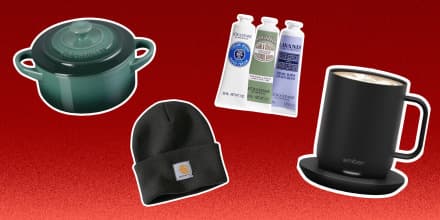
Taste-driven Valentine’s gifts from designers and tastemakers
Taste beats cliché here: stylish insiders are steering Valentine’s gifts toward designer-found pieces, and the holiday’s $199.78 average spend makes the edit feel practical.

The smartest Valentine’s gifts rarely look like Valentine’s gifts at all. What makes this edit work is its point of view: designers, business owners, and tastemakers are choosing pieces from the brands they genuinely love, which gives the holiday a sharper, more personal edge than the usual roses-and-boxed-chocolates formula.
That matters because Valentine’s Day is no longer a small sentimental spend. The National Retail Federation expects consumers to spend a record $29.1 billion in 2026, with average spending rising to $199.78 per shopper, and it projected $27.5 billion in 2025, with average spending at $188.81. When people are already willing to spend that much, the smartest move is not to buy more, but to buy with taste.
Why this edit feels more current than a standard gift guide
W Magazine’s Valentine’s coverage treats the holiday as a mix of fantasy, reality, and luxury, which is exactly the right lens for 2026. Valentine’s Day arrives every year on February 14, but the best gifts do not need to feel predictable just because the date is fixed. The strong version of this story is not about checking boxes; it is about using the holiday as a reason to buy something that feels specific to the person receiving it.
That is why a designer-led edit lands better than a generic roundup. The most compelling Valentine’s gifts today often come from under-the-radar labels, designer-founded brands, and small luxury objects that signal discernment without trying too hard. They also work for more than one scenario: a partner who likes polished things, a friend who wants a Galentine’s swap that feels elevated, or your own cart when self-gifting is the real point of the holiday.
The gifts that feel chosen, not ordered
- The edible gift with a point of view
This is for the person who cares about taste, packaging, and the pleasure of opening something beautifully made. A thoughtful chocolate or confectionary gift feels more intimate than a generic bouquet, and it is often easier to give at the $25 to $75 level than a full luxury object. If you want Valentine’s to feel generous without becoming overblown, this is the most universally useful lane.
- The designer-founded accessory
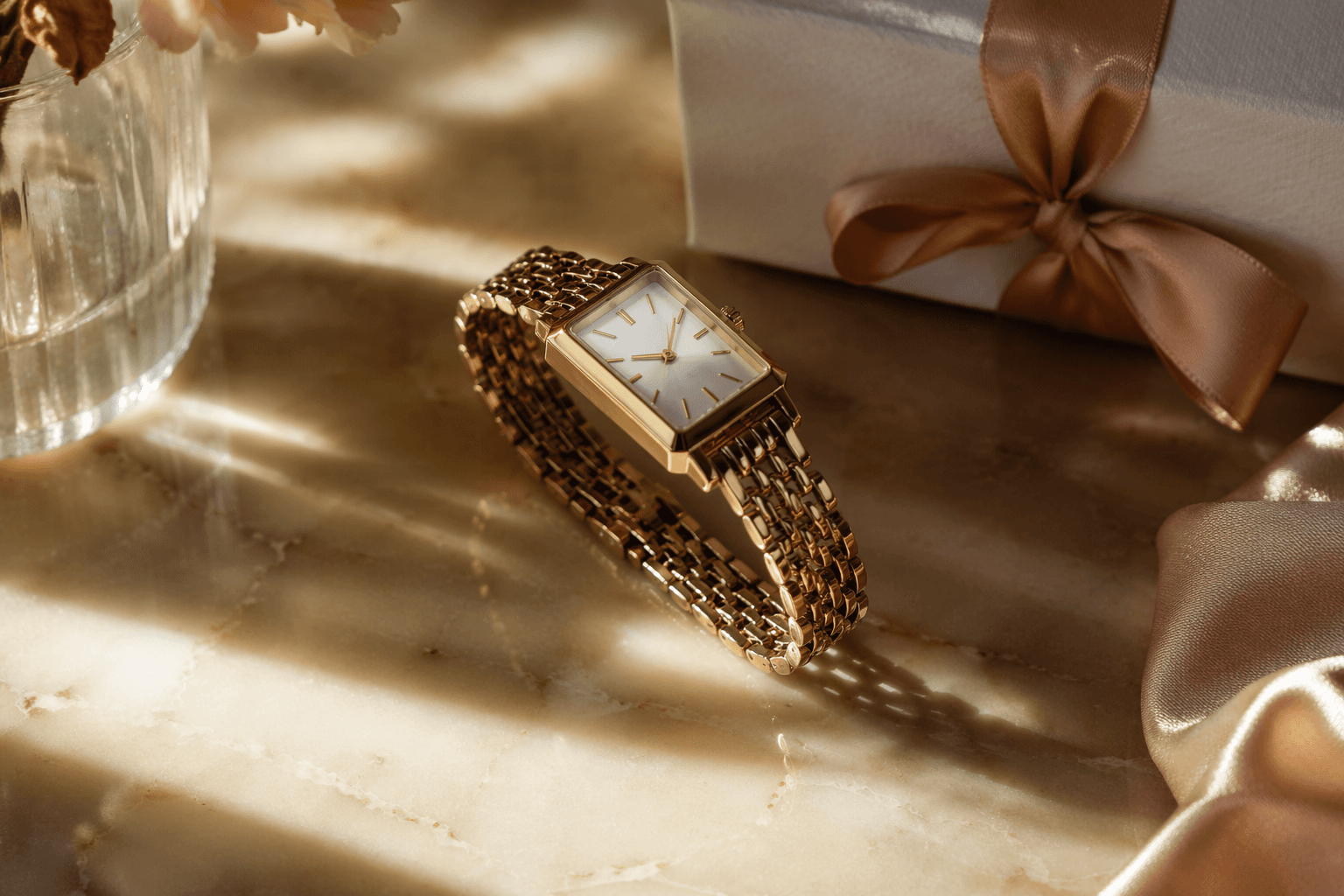
This is the present for someone whose style is quiet but unmistakable. A piece from a designer-founded label carries a little more authority than a random fashion buy, because it has an actual point of view behind it, not just a logo. It is the kind of gift that tells someone you notice the way they dress, not just that you remembered the occasion.
- The under-the-radar luxury piece
This is where the fashion crowd tends to get most interesting. Under-the-radar brands often deliver the most satisfying Valentine’s gifts because they feel discovered rather than mass-marketed, which is exactly what makes them shareable in the first place. If you want a present to read as stylish, not safe, choose the object people have not seen everywhere already.
- The Galentine’s gift that does not feel like filler
For friends, the best Valentine’s gifts are rarely sentimental in an obvious way. They are the small but beautiful things that say, I know your taste, I know what makes you happy, and I did not default to a drugstore card. A well-chosen beauty, home, or accessories gift can do more than a larger present that feels generic.
- The self-gift that justifies the holiday
This is the part of Valentine’s that fashion people understand best: if the holiday is already about desire, you might as well be honest about wanting something for yourself. The average shopper’s budget, at roughly $199.78 in 2026, is right in the zone where one strong item can feel like a real treat instead of a bundle of forgettable extras. Self-gifting is not a consolation prize here; it is part of the editorial logic of the day.
Why the spending data actually helps the taste argument
The NRF’s long-running survey work, done with Prosper Insights & Analytics, shows that Valentine’s shopping is well established and not going anywhere. That matters because a holiday with a durable retail history gives editors room to be more opinionated, not less. Once the market is already large and familiar, the difference between a forgettable gift and a memorable one comes down to editing.
It also explains why a more curated approach feels timely right now. When consumers are spending close to $200 on average, the best use of that money is not to spread it thin across too many small gestures. It is to pick one thing that feels like the recipient’s taste, or the giver’s taste, distilled into a single object.
The most successful Valentine’s gifts are the ones that look as though they came from someone with a good eye and a little nerve. That is why this kind of edit wins: it favors specificity over sentimentality, and it makes the holiday feel less like a shopping obligation than a style decision.
This article was produced by Prism’s automated news system from verified source data, official records, and press releases, then run through automated quality and moderation checks before publishing. The system is built and supervised by the people who set the standards it runs under. Read our full AI policy.
Did this article answer your question?