Valentine’s Day gifts reflect love, tradition and record spending habits
A record $27.5 billion was spent on Valentine’s Day gifts, but the smartest presents still honor more than romance.

Valentine’s Day has become a holiday of many kinds of love
A record $27.5 billion in U.S. Valentine’s Day spending in 2024 says as much about emotion as it does about economics: people still want gifts that feel personal, not perfunctory. The holiday is no longer just a test of romance. It is a chance to recognize partners, friends, parents, grandparents, teachers, and the chosen people who keep daily life feeling supported and known.
That broader view matters because the strongest gifts are often the ones that match the relationship, not the price tag. Candy, flowers, greeting cards, an evening out, and jewelry remain the most common categories, but each one can carry a very different meaning depending on who receives it. A $15 box of excellent chocolates can feel more luxurious than a much pricier item if it is chosen with care.
The numbers show romance is still central, but not exclusive
The National Retail Federation’s 2024 survey found that U.S. consumers planned to spend a record $27.5 billion on Valentine’s Day, and in 2025 spending on significant others reached a record $14.6 billion. Candy remains the most popular gift, which is a useful reminder that the holiday is still built on accessible gestures as much as grand declarations. Flowers, greeting cards, an evening out, and jewelry round out the main gift categories, giving shoppers a wide range of price points and moods to work with.
That spread is part of why Valentine’s Day is such a flexible occasion. A card and candy can be enough for a colleague or a child’s classroom celebration, while an evening out or a piece of jewelry may make more sense for a long-term partner or a major milestone. The spending data points to a simple truth: the holiday survives because people still want a reason to mark affection in ways that feel visible.
The holiday’s roots are older, stranger, and less romantic than the modern version
Britannica says Valentine’s Day is observed every year on February 14 and may trace its roots to the Roman festival of Lupercalia. Pope Gelasius I banned Lupercalia in the late 5th century, yet the date did not become strongly associated with romance until the 14th century. That means the holiday’s romantic identity is a later tradition, not its original one.
Britannica also notes that St. Valentine’s identity is historically uncertain and may refer to one or two legendary Christian martyrs. The Catholic Church removed St. Valentine from the General Roman Calendar in 1969 because of limited reliable historical information, while still recognizing him as a saint. In other words, the holiday’s modern symbolism is less a clean historical line than a layered cultural story, which helps explain why it now accommodates so many kinds of love.
A modern Valentine’s Day gift map
The best Valentine’s gifts work like good hosting: they make the recipient feel considered, not managed. Once the holiday is understood as a broader ritual of appreciation, the shopping list gets better immediately. You stop looking for the one correct gesture and start matching the gift to the bond.
For a partner, choose something that feels like a moment
The classic Valentine’s Day spending pattern still favors romance, and for good reason. An evening out remains one of the top gift categories because time together is often the most convincing luxury of all, especially when schedules have been crowded and routines have taken over. Jewelry also fits here, not because it is the expected cliché, but because it can serve as a durable marker of a shared chapter.
A thoughtful romantic gift does not have to be large to feel substantial. If you choose candy, choose the kind with a presentation that feels considered. If you choose flowers, make them specific rather than generic. If you choose a card, make the words do some of the work that expensive packaging usually tries to do.
For friends and chosen family, keep it warm and low-pressure
Psychological science has increasingly focused on the human need for platonic relationships, and the American Psychological Association has discussed how friendship supports well-being. That makes Valentine’s Day a good moment to acknowledge the people who steady your life without expecting romance in return. For these relationships, greeting cards and candy are especially effective because they are clear, easy to share, and emotionally legible.
This is where a small gift can feel remarkably rich. A box of good candy, a handwritten note, or a simple bouquet can say, I know you, and I wanted to make you smile. The point is not to imitate a romantic gift. It is to choose something cheerful, direct, and easy to receive.
For parents and grandparents, lean into remembrance and ritual
Valentine’s Day can be especially moving when it becomes a family holiday rather than a couple’s holiday. Flowers work well here because they feel celebratory without demanding a specific response, and a card can turn a simple gesture into something keepable. If you are spending the day with parents or grandparents, an evening out or a shared meal can mean more than an object.
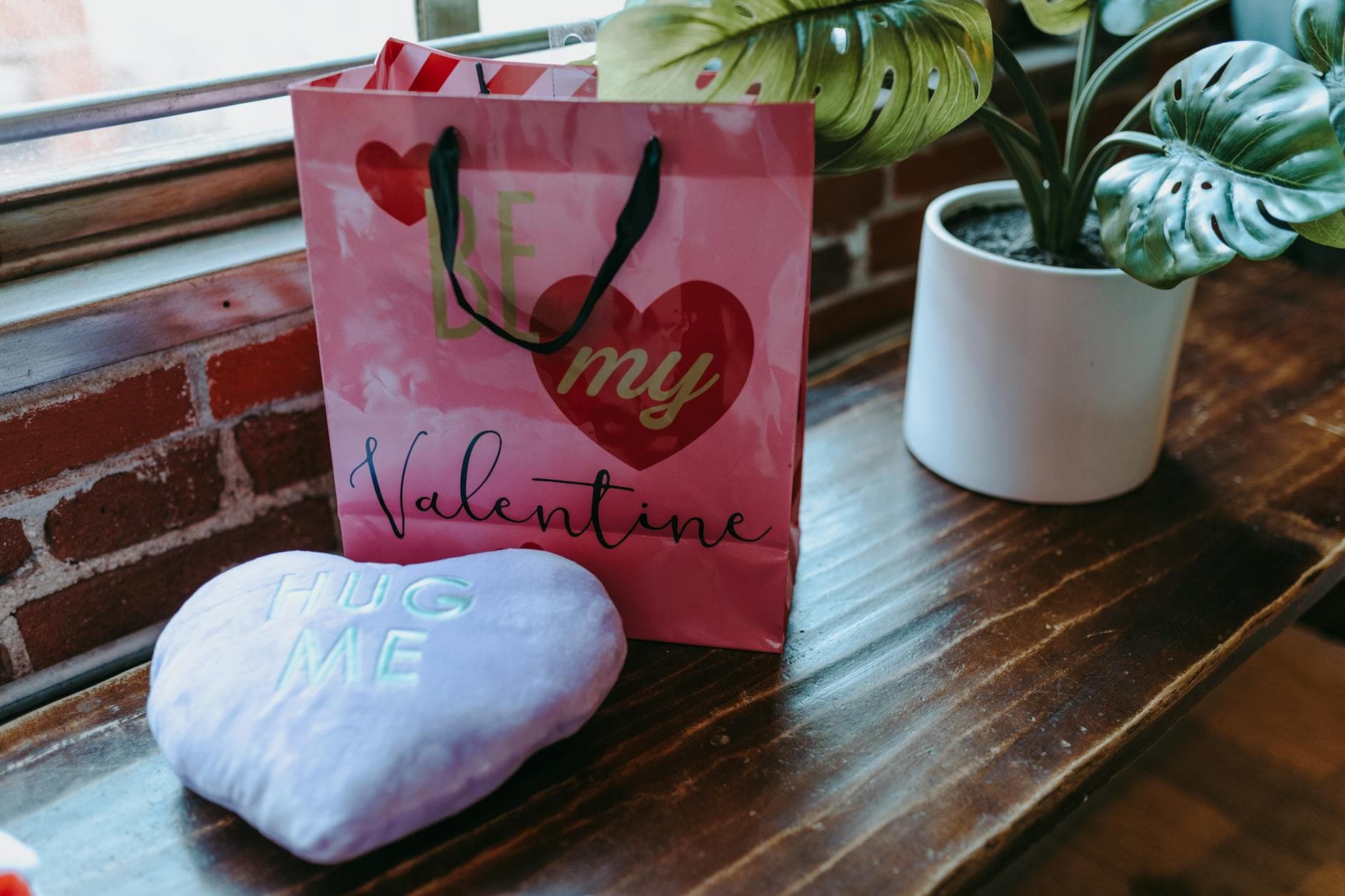
The most effective family gifts often borrow from the holiday’s familiar symbols while softening their tone. Candy reads as festive and immediate. Flowers feel generous. A handwritten message gives the gift a memory to hold onto after the sweets are gone and the petals fade.
For teachers and the people who make everyday life easier, choose appreciation over extravagance
Teachers, caregivers, coaches, and neighbors are often left out of Valentine’s shopping, even though they are part of the emotional infrastructure of a life. A small card, a favorite candy, or a modest bouquet can be the right scale here because it is thoughtful without being burdensome. These are gifts that say thank you for showing up, which is often more meaningful than anything elaborate.
This is also where candy’s popularity makes practical sense. It is easy to divide, easy to share, and easy to give without overcomplicating the moment. If the goal is to participate in the holiday without turning it into a production, the simplest gifts are often the most graceful.
For children and younger relatives, make it playful and concrete
Valentine’s Day is naturally suited to kids because it rewards bright colors, sweets, and simple rituals. Candy and cards work especially well because they are immediate and understandable, and they do not require adult-level sentiment to land. For younger relatives, the gift should feel like fun first and symbolism second.
That does not make it trivial. A well-chosen treat or card can turn the day into a family memory, especially when the gesture is repeated year after year. In that sense, Valentine’s Day becomes less about a single purchase and more about building a recognizable ritual of affection.
The most useful Valentine’s gift rule is also the simplest
The holiday works best when the gift matches the relationship and the moment. The spending data show that people still buy plenty for romance, but the history of the day and the psychology of friendship both argue for something wider: Valentine’s Day is an annual excuse to practice attention. Whether the gift is candy, flowers, a card, an evening out, or jewelry, it matters most when it feels specific to the person receiving it.
Know something we missed? Have a correction or additional information?
Submit a Tip