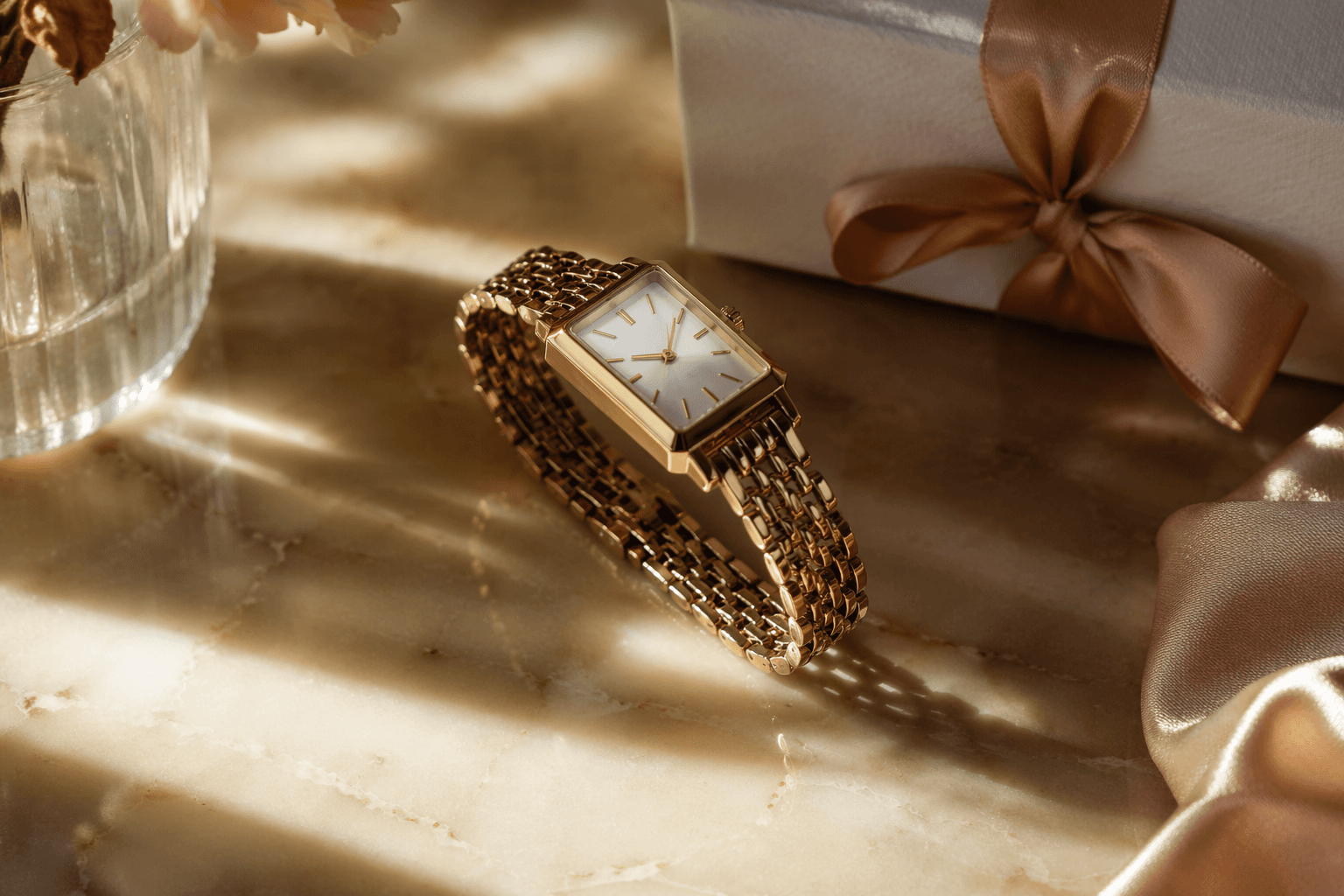
Valentine’s Day jewelry buyers weigh natural diamonds against lab-grown pressure
The same jewel can signal romance, status, or a bargain, and Valentine’s buyers are deciding which story they want.

The Valentine’s choice is no longer just about sparkle
A diamond on Valentine’s Day now carries two different promises. Natural stones still read as rarity, permanence, and status, while lab-grown diamonds are pressuring the market with bigger sizes and lower prices that make the same gift feel much more accessible. That split was on full display at JCK 2026 in Las Vegas, where the mood around natural diamonds was uneasy even as a Botswana-born 63-carat rough stone became a symbol of confidence for the category.
The practical result is simple: shoppers are no longer just choosing a ring or keepsake piece, they are choosing an assumption about value. Natural diamonds still sit at the top of desirability, but lab-grown stones are reshaping what many buyers expect to pay, especially in engagement rings and fashion pieces. If the gift is meant to carry emotional weight beyond February 14, that distinction matters.
Why the holiday budget gives jewelry extra weight
The stakes are high because Valentine’s spending is at record levels. The National Retail Federation projected U.S. Valentine’s Day spending at $29.1 billion in 2026, up from a record $27.5 billion in 2025, with average spending also hitting a record $199.78 per shopper. Jewelry remains one of the holiday’s core categories, and NRF has been tracking Valentine’s buying plans for more than a decade, so the holiday is no longer a soft-focus afterthought. It is a major retail moment.
That money is not flowing only to romantic partners. NRF’s 2026 survey shows spending on gifts for family members at $4.3 billion, while 32% of consumers expect to buy for friends, 21% for co-workers, and 35% for pets. Jewelry still commands the highest dollar total among gift categories at $7 billion, but it is now competing inside a much wider field of gift-giving, which is why a piece has to feel personal rather than merely expensive.
What JCK 2026 revealed about the diamond market
At JCK 2026, the trade-show atmosphere made the divide unmistakable. JCK’s show coverage described many attendees at The Venetian Expo as anxious about the future of natural diamonds because lab-grown competition is intensifying, even as De Beers CEO Al Cook and Grandview Klein CEO Moshe Klein helped unveil a 63-carat natural rough diamond from Botswana that will be cut into a 20.26-carat stone for London Jewelers’ 100th anniversary. That kind of spectacle was not just theater. It was a reminder that natural diamonds are still being sold on origin, traceability, and scarcity.
JCK 2026 ran from May 29 to June 1 at The Venetian Expo in Las Vegas, and the show’s tone reflected a market in transition rather than a settled winner-take-all race. De Beers’ June 2026 Diamond Report says lab-grown diamonds have seen rapid volume growth, driven by new supply from China and India, but their value share was still only 15% of U.S. independent jeweler sales in 2025. Natural diamonds, meanwhile, remained the most desired jewelry item, ahead of lab-grown diamonds, other gems, and pure gold jewelry, and desirability actually increased in 2025.
Why engagement rings are changing Valentine’s expectations
The engagement-ring market is the clearest proof that buyers have already adjusted to lab-grown pricing pressure. JCK reported that The Knot’s Real Weddings Study 2026, based on more than 10,000 U.S. couples married in 2025, found lab-grown center stones accounted for 61% of engagement ring purchases. The average ring size rose to 1.9 carats, while average spend fell to $4,600, which tells you everything about the new luxury equation: more visible size, lower outlay, and a changing definition of what feels indulgent.
That matters for Valentine’s Day because the same emotional logic that drives proposals now shapes anniversary gifts, push presents, and self-gifts with sentimental intent. A ring bought for love is still a ring, but the buyer is increasingly aware that a lab-grown center stone can deliver more carat weight for the money, while a natural diamond may preserve a stronger sense of rarity and long-term desirability. That is the market tension behind the holiday story.
How to choose the right piece when meaning matters
The best Valentine’s jewelry purchase begins with the role the gift is supposed to play. If you want a piece that marks a milestone and may one day become part of an heirloom conversation, natural diamond jewelry still carries the strongest signal of enduring desirability. If you want a larger look, a lower entry point, or a piece that leans more fashion-forward than archival, lab-grown can make sense, especially when the design is strong and the setting feels considered.
A few practical rules make the choice easier:
- Choose natural diamonds when the emotional message is about rarity, legacy, or a gift you expect to hold symbolic value for years. De Beers’ report is explicit that natural diamonds still sit at the top of desirability.
- Choose lab-grown when size, modernity, and immediate visual impact matter more than resale assumptions. The Knot data shows how powerfully that formula is reshaping engagement-ring expectations.
- Pay attention to pricing pressure. De Beers says lab-grown prices are declining even as volume grows, which is exactly why these stones now dominate much of the conversation around accessible luxury.
- Look at the setting as carefully as the stone. A well-proportioned band, thoughtful metal choice, and clean craftsmanship can make a modest piece feel more luxurious than a larger, more generic one. That is especially true in a Valentine’s market where jewelry is competing with flowers, dinners, candy, and a flood of other gifts.
The real luxury is buying with intention
What changed this year is not that people stopped loving diamonds. It is that buyers are asking sharper questions before they spend record sums on a holiday that now covers partners, friends, children, and pets. Natural diamonds still offer the strongest case for emotional permanence, but lab-grown stones have permanently altered what many shoppers believe is reasonable, beautiful, and worth giving. Valentine’s Day jewelry now lives in that gap, where meaning, price, and future value all have to agree before the box is opened.
This article was produced by Prism’s automated news system from verified source data, official records, and press releases, then run through automated quality and moderation checks before publishing. The system is built and supervised by the people who set the standards it runs under. Read our full AI policy.
Did this article answer your question?