Valentine’s Day spending hits record $29.1 billion as shoppers buy more gifts
Americans planned to spend a record $29.1 billion on Valentine’s Day, with pets, jewelry and last-minute online buys showing where the money is going.
%2Fimages%2F2026%2F02%2F02%2Fvalentines_roses_chocolates_hearts_1.png&w=1920&q=75)
Valentine’s Day spending climbed to a record $29.1 billion this year, a jump from $27.5 billion in 2025 and a sign that shoppers are spreading the holiday across more relationships, not just romantic partners. Average planned spending also hit a record $199.78 per person, up from $188.81 last year, while 55% of consumers said they planned to celebrate at all.
The most useful surprise in the numbers is how far the gift list has stretched. Among those celebrating, 83% planned to buy for a significant other, but shoppers also budgeted billions for family members, friends, co-workers, children’s classmates and teachers, and pets. Spending on pets alone reached a record 35% of consumers, or $2.1 billion, which says as much about modern holiday habits as any luxury purchase. Katherine Cullen of the National Retail Federation said the holiday resonates with many Americans, and Phil Rist of Prosper Insights & Analytics pointed to the many meaningful relationships people want to recognize, including pets.
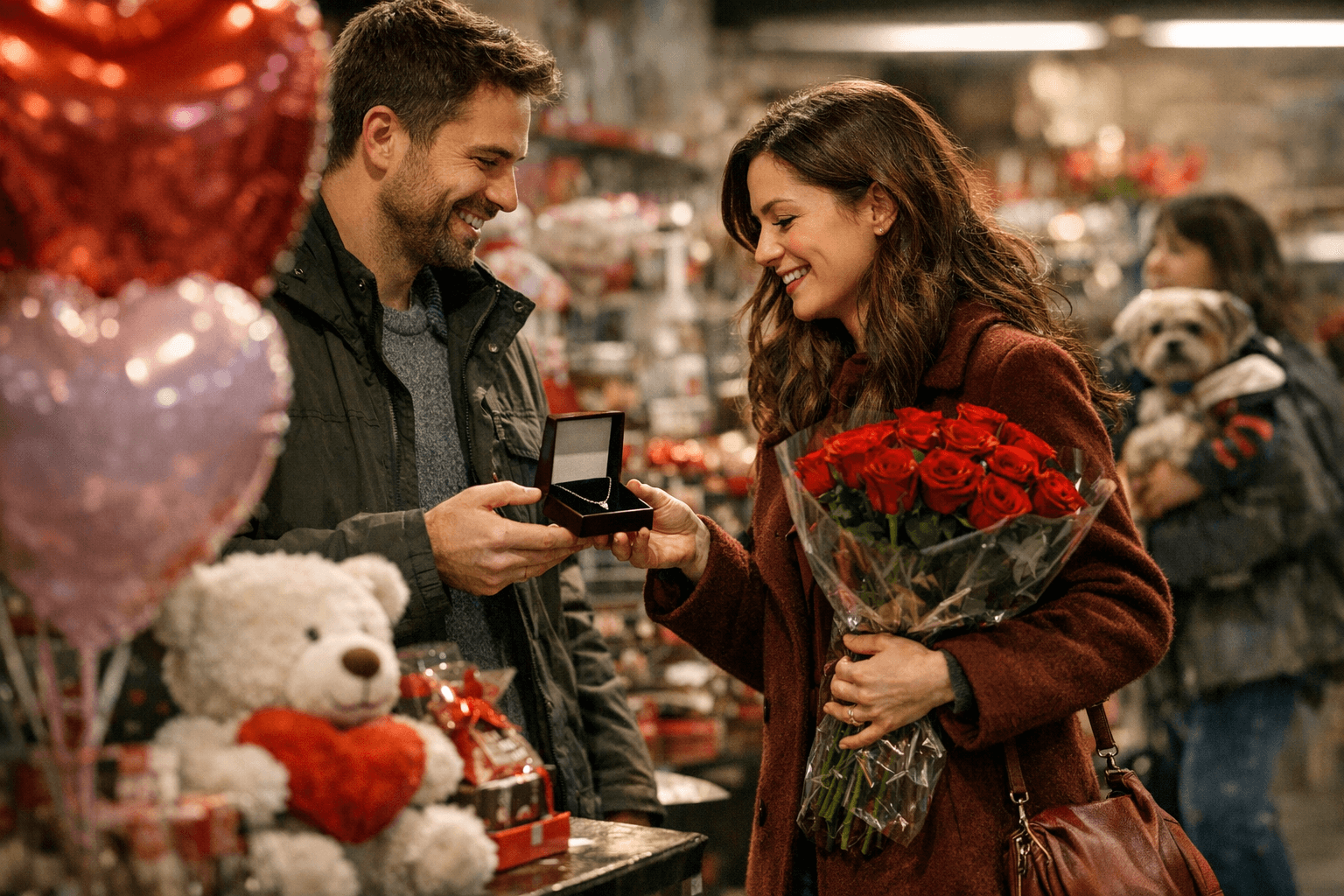
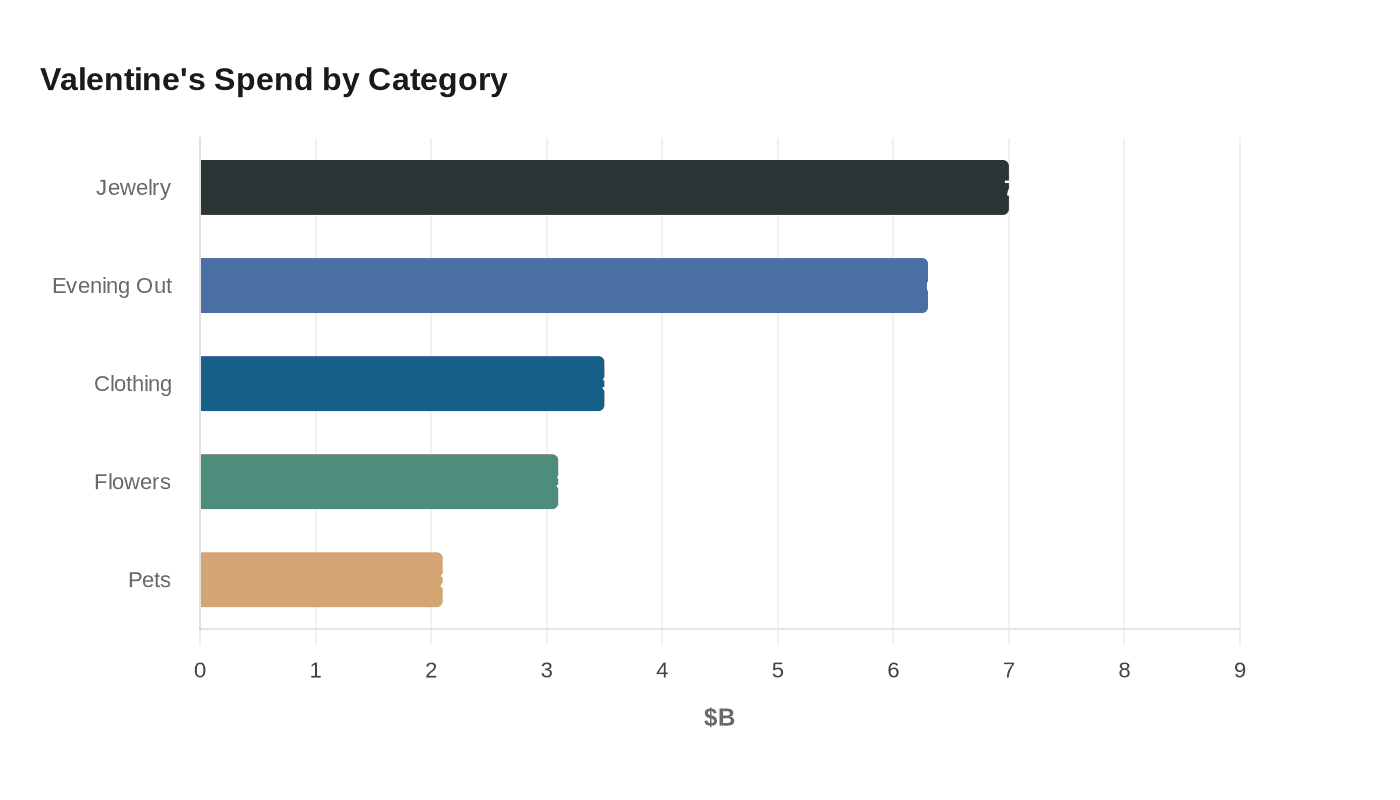
The money, though, is still flowing to a few obvious categories. Candy remained the most popular planned gift at 56%, followed by flowers and greeting cards at 41% each, an evening out at 39% and jewelry at 25%. But jewelry is where shoppers planned to spend the most, at $7 billion, ahead of an evening out at $6.3 billion, clothing at $3.5 billion and flowers at $3.1 billion. That split tells the real story: sentimental, easy-to-give gifts are winning on volume, while bigger-ticket items are reserved for the occasions that matter most.

Timing remains part of the holiday’s stress test. Three-quarters of celebrants said they start planning in the first week of February or earlier, but 28% of women said they do not begin until the week of the holiday or the day itself. That helps explain why online was the top shopping destination at 38%, ahead of department stores at 35%, discount stores at 30% and specialty stores at 21%. For anyone still deciding, the smarter move is usually the practical one: a gift that arrives on time, feels personal and can still be useful after February 14.
Roses are also taking a bigger bite out of budgets. Valentine’s Day remains the busiest day of the year for florists, and same-day delivery options from retailers such as Proflowers and FTD make last-minute bouquets easy to buy, but not cheap. The Consumer Price Index rose 2.4% over the 12 months ending February 2026, and food prices were up 3.1%, a backdrop that helps explain why shoppers keep gravitating toward meaningful gifts with staying power instead of spending more just to spend more.
Know something we missed? Have a correction or additional information?
Submit a Tip
%2Fimages%2F2026%2F01%2F29%2Fthe_cost_of_a_dozen_roses.png&w=1920&q=75)
%3Aformat(webp)%2Fimages%2F2026%2F02%2F02%2F7644-ive-tried-dozens-of-costcos-valentines-day-treats-and-this-one-is_SQ95HPB.jpg&w=1920&q=75)