Why one jeweler is leaning back into natural diamonds for Valentine’s Day
A Sierra Leone mine visit pushed one jeweler back toward natural diamonds, where provenance and romance can matter more than size or price alone.
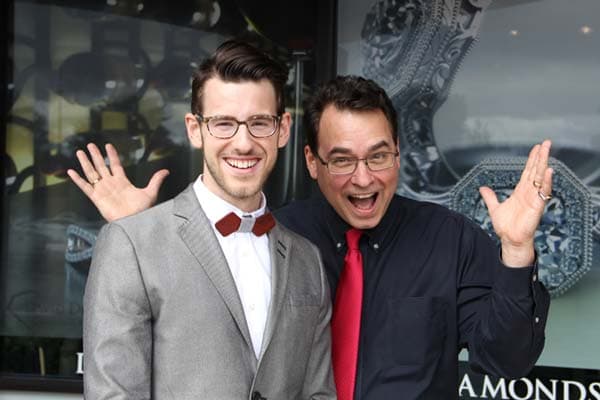
A diamond can still be the most persuasive Valentine’s Day gift in the room, but the reason is changing. Doug Meadows, cofounder of David Douglas Diamonds & Jewelry in Marietta, Georgia, says his own view sharpened after a March 2026 trip to Sierra Leone, where he saw how a stone can carry a story that lasts far beyond the holiday.
Why provenance suddenly matters again
Meadows is the kind of jeweler who tests a buyer’s assumptions before he sells a ring. In his store, he sets out what he calls a “lab-grown diamond challenge”: four solitaires, each about 1.5 carats, one natural diamond, one lab-grown diamond, one moissanite and one CZ. The point is simple. If the stones look nearly identical at a glance, the real difference for a Valentine’s gift is not just sparkle, but what the giver wants the gift to mean.
That is where Sierra Leone comes in. Meadows joined the Peace Diamond Trade Mission, led by Ezi Rapaport, Martin Rapaport’s son, for a five-day trip that took the group to artisanal mines in the Kono District and included a stop at De Beers’ office there. He came away struck by the way diamond finds change local life, including partially built homes that miners pause and resume as they discover stones and earn money. For a romantic gift, that kind of origin story is hard to replicate with a material that can be made anywhere, quickly, and endlessly.
The emotional pull is also tied to one of the country’s most famous stones, the 709-carat Peace Diamond. It sold for $6.5 million and became a symbol of how diamond mining can feed a broader community, not just a showroom case. That is a different kind of luxury: less about raw carat weight than about the sense that the gift arrived through a real place, real people and a real chain of discovery.
What the diamond market is telling shoppers
The natural-diamond argument is not just sentimental. It is being reinforced by a broader campaign from De Beers and by consumer research that still places natural diamonds ahead of lab-grown stones as the most desired jewelry item among U.S. consumers. In late May 2026, De Beers said its Desert Diamonds campaign would be backed by the diamond industry’s largest natural-diamond marketing budget in 15 years, a sign that the mined-diamond story is being pushed hard at the exact moment shoppers are deciding whether a Valentine’s gift should feel classic or current.

That same industry push leans on economics, not only romance. De Beers launched GemFair in Sierra Leone’s Kono region in 2018, and the program now includes more than 500 mine sites and supports about 7,000 direct livelihoods. The company said GemFair reached its 10,000th diamond purchase in October 2024, which gives the sourcing story more weight than a generic “ethically sourced” label ever could. For a buyer who wants the gift to signal permanence and responsibility at once, that kind of traceability has real appeal.
Sierra Leone itself helps explain why these stories resonate. The U.S. Commerce Department said mining accounted for more than 70% of export earnings and 3.5% of employment in 2024, while the World Bank projected growth of 4.3% in 2025 and 4.6% by 2027. Those numbers do not make a diamond more romantic on their own, but they do make the romance feel connected to a place where the trade still matters in concrete ways.
When a mined diamond is the stronger Valentine’s Day buy
A natural diamond makes the most sense when the gift is meant to stand for history, commitment and a sense of occasion. If this is an engagement, an anniversary, or the kind of Valentine’s Day where the giver wants the stone itself to carry a narrative, mined is the clearer choice. Meadows’ Sierra Leone trip shows why: the gift can be tied to a mine, a region, a community and even a specific development story, not just to its appearance under showroom lights.
There is also a status element that remains hard to ignore. Natural diamonds still hold the advantage for buyers who want the traditional prestige of a mined stone, especially when the recipient values provenance and legacy as much as brilliance. The fact that De Beers is spending heavily on natural-diamond marketing tells you where that emotional gravity still lives.
If the gift is meant to feel heirloom-like, a mined stone also offers an easier story to tell years later. It is the diamond you can describe not just by shape and setting, but by origin. That matters in romance because the best luxury gifts often give the couple something to remember, repeat and keep.
When lab-grown is the smarter move
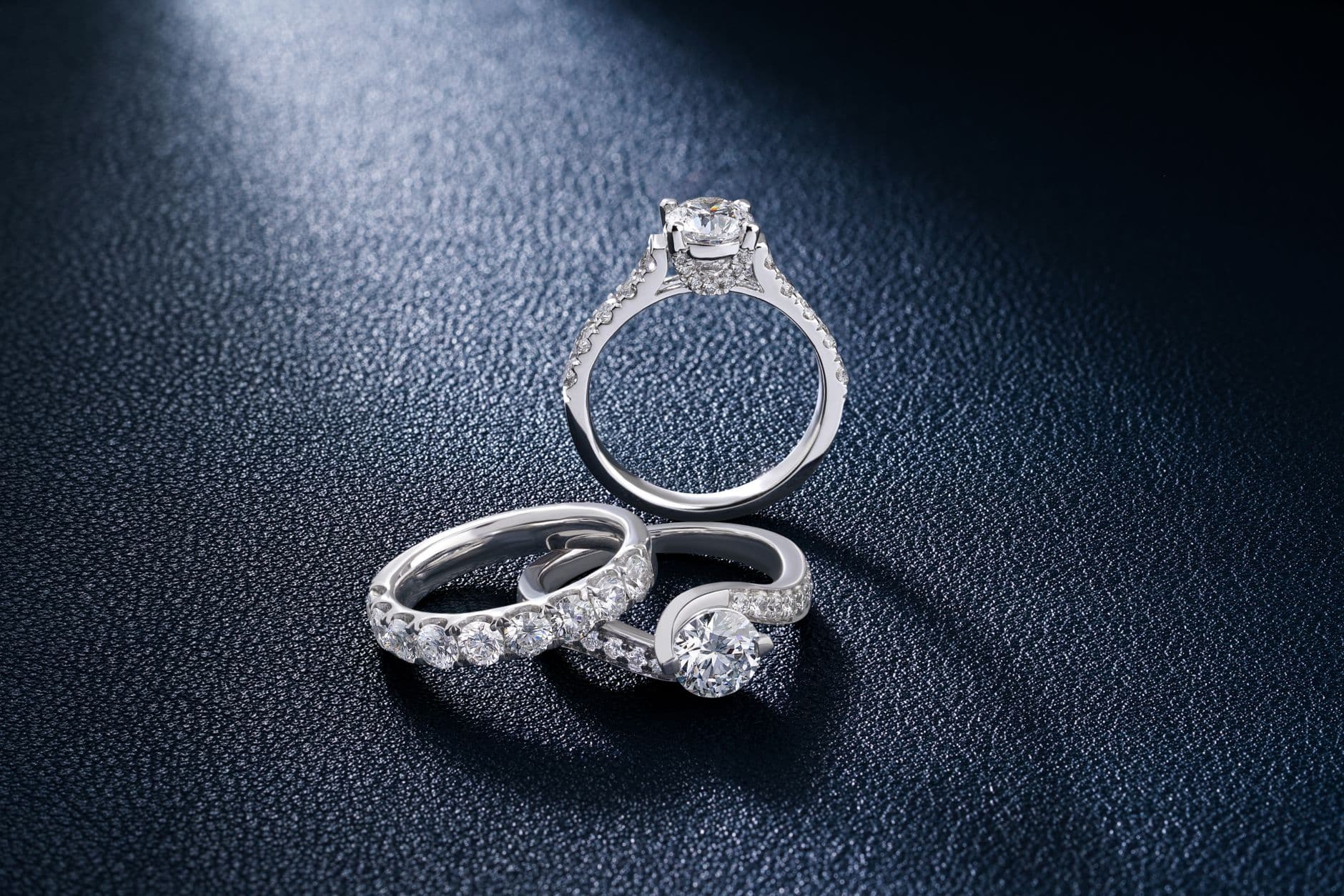
Lab-grown stones still have an obvious place in Valentine’s gifting, especially when the priority is size, visual impact or budget flexibility. Meadows’ four-stone challenge is a reminder that many shoppers will not spot the difference immediately, which means a lab-grown diamond can deliver a bigger-looking gift for less money. If the aim is to put more of the budget into the setting, the design, the dinner or the trip that goes with the ring, lab-grown can make practical sense without feeling cheap.
That said, the market is softening the old either-or argument. JCK quoted Paul Zimnisky in 2025 saying the lab-grown market may be at an inflection point, and Signet Jewelers said in March 2026 that lab-grown and natural diamonds appear to be stabilizing and can coexist in the same customer’s jewelry box. That is the most useful modern reality check for shoppers: this is no longer a purity test. It is a choice about meaning.
For Valentine’s Day, that means lab-grown works best when the gift is about style, scale and value. Natural works best when the gift is about origin, symbolism and status. Both can be beautiful. Only one lets you hand over a stone with a place, a community and a mining story attached to it.
The takeaway for the Valentine’s shopper
Choose a natural diamond if you want the gift to feel consequential, heirloom-minded and tied to provenance. Choose lab-grown if you want maximum visual impact and more budget room for the rest of the Valentine’s gesture. In a market where both can sit in the same jewelry box, the real luxury is not the label on the stone. It is knowing which story you are trying to tell.
This article was produced by Prism’s automated news system from verified source data, official records, and press releases, then run through automated quality and moderation checks before publishing. The system is built and supervised by the people who set the standards it runs under. Read our full AI policy.
Did this article answer your question?