3D-printed guns outpace state laws as enforcement challenges grow
3D printing has pushed ghost-gun policy into a wider maker-world fight, where state bans, platform moderation, and federal tracing rules are all racing to catch up.
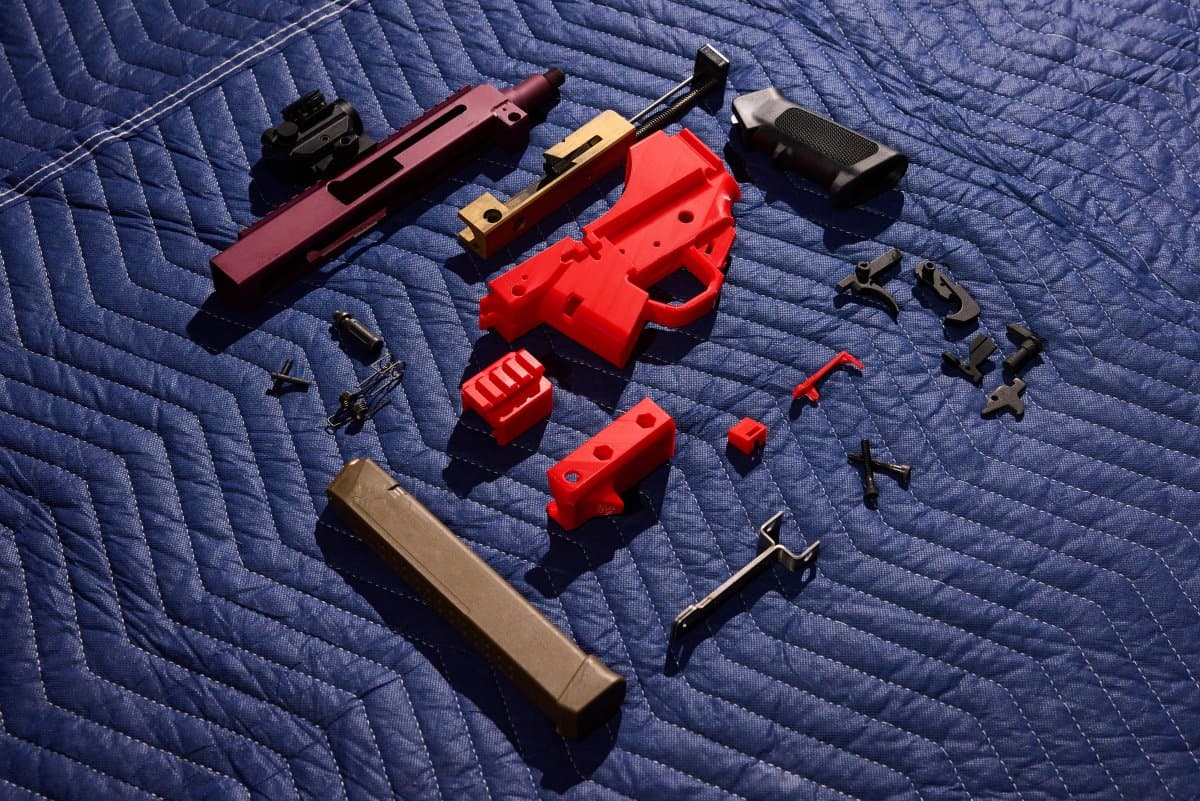
3D printing has turned ghost-gun policy into a governance problem that reaches far beyond firearms. What looks, at first glance, like a niche enforcement issue is now pressing on state law, online file hosting, and the rules that shape consumer 3D printing itself.
The new enforcement problem
The basic friction is easy to name and hard to solve: the technology moved faster than the patchwork of state restrictions. Rolling Stone’s feature on homemade firearms framed the issue around that gap, while federal data show the scale is already large enough to matter to police, prosecutors, and platform operators. Only seven states have banned 3D-printed weapons, leaving most of the country to work with older laws aimed at a newer kind of file-driven manufacturing.
That matters because the objects in question are not sold like normal consumer goods. Federal authorities say privately made firearms can be produced with 3D printing, and the Bureau of Alcohol, Tobacco, Firearms and Explosives says people making guns for personal use generally do not have to add serial numbers or register them if they are not making guns for livelihood or profit. The same federal guidance also says the firearm still has to be detectable under federal law, which is where the conflict between hobby-grade manufacturing and public-safety rules begins.
What federal law already allows, and what it still expects
The federal line is narrower than many people assume. ATF says 3D printing itself is not restricted by federal firearms law, which means the machine is not the target of the rule. The legal pressure falls instead on the gun’s detectability, on whether the maker is in the business of manufacturing for profit, and on whether the item can be recovered, traced, and classified by law enforcement after the fact.
That is why ATF has put real effort into tracing tools rather than trying to ban the printers. In August 2024, the agency deployed functional improvements to eTrace so it could better collect and report recovery information on privately made firearms and machine gun conversion devices, including 3D-printed examples. ATF also acknowledges that state and local agencies may work under different laws and policies, which means the enforcement burden shifts depending on where the gun turns up.

Why the risk profile keeps expanding
The security concern is not theoretical. National Institute of Justice research has long warned that printed plastic guns can potentially evade metal detectors and do not bear traceable serial numbers, creating a forensic and screening problem at the same time. That combination is exactly what makes the issue spill into arenas beyond firearm policy, because it affects detection systems, school and venue security, and the moderation choices made by file-sharing platforms that host printable designs.
The numbers show the trend is not slowing. ATF reported about 45,240 suspected privately made firearms recovered from potential crime scenes from 2016 through 2021, including 692 homicides or attempted homicides. Everytown Research & Policy says ATF later estimated more than 70,700 suspected privately made firearms were recovered by law enforcement between 2016 and 2022, with nearly two-thirds of those recoveries occurring in 2021 and 2022. That is the kind of acceleration that gets attention in state capitols, especially when the recovered items include 3D-printed guns and conversion devices.
New York’s numbers show how that pressure can land inside a single platform ecosystem. Everytown says law enforcement in New York recovered over 100 3D-printed guns and 3D-printed machine gun conversion devices in 2024 from Peter Celentano, an administrator of a major online 3D-printing design platform. That detail matters to the wider hobby world because the enforcement problem is no longer just about printers in garages, but about the rules governing the files, communities, and marketplaces that make those builds accessible in the first place.
How the hobby ecosystem is being pulled into the policy fight
The public debate has also been shaped by the history of the files themselves. RAND identifies the 2013 creation of a 3D-printed gun as an early inflection point in concern over illicit additive manufacturing, and GIFFORDS says the FGC-9 became a popular design because it was engineered to avoid requiring pre-made firearm components. That history helps explain why the issue keeps spilling into broader platform policy: once a design can be shared, remixed, and distributed like any other CAD file, moderation becomes a governance problem, not just a safety one.
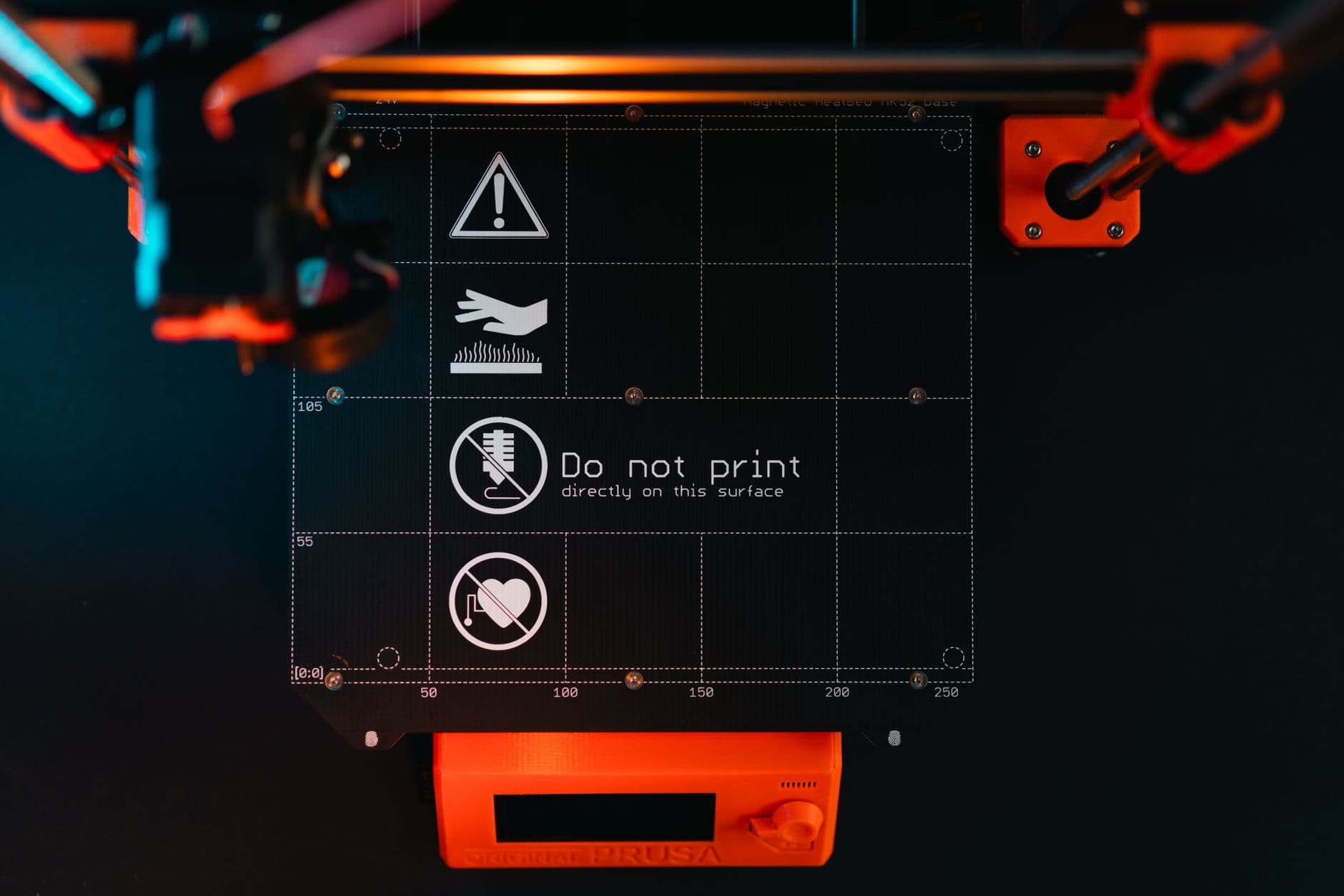
That is also why advocacy groups keep pointing to the same broader risk profile. Everytown and GIFFORDS argue that 3D-printed guns can be built at home from digital blueprints, without a background check, and may be used by minors, violent criminals, and extremists. Whether a platform is hosting hobby models, technical reference files, or maker-community uploads, the pressure point is now the same: how to keep legitimate fabrication accessible while limiting distribution of files tied to untraceable weapons.
States are moving faster, and California may go further
The legislative response is finally catching up, but unevenly. Reporting this month says Colorado, Maine, New Jersey, New York, Virginia, and Washington enacted new restrictions on 3D-printed guns and untraceable firearms in 2026, a sign that lawmakers are no longer treating this as a fringe issue. A Washington bill signed into law in 2026 was described by advocates as a landmark step, and the signal to other states was clear: the policy window has opened.
California may be the next big test. Lawmakers there are considering a measure that would require 3D printers to include firearm-blocking technology, which would push the debate from post-sale enforcement toward device design and upstream prevention. For legitimate makers, that is the part to watch most closely, because the more lawmakers rely on hardware-level restrictions, the more they have to separate ordinary consumer fabrication from the small but consequential slice of the ecosystem tied to untraceable firearms.
The story here is bigger than shock value. The real tension is that the same 3D-printing culture that powers prototyping, tinkering, and on-demand fabrication is now being forced into a regulatory conversation about detectability, traceability, and access to files. That is what happens when the printer is no longer just a maker tool, but a policy frontier.
This article was produced by Prism’s automated news system from verified source data, official records, and press releases, then run through automated quality and moderation checks before publishing. The system is built and supervised by the people who set the standards it runs under. Read our full AI policy.
Did this article answer your question?