Rostec 3D prints lighter oil sump for PD-8 jet engine
A monolithic 3D-printed oil sump housing cut the PD-8’s mass by 40% and machining by 80%, showing how part consolidation can reshape engine design.

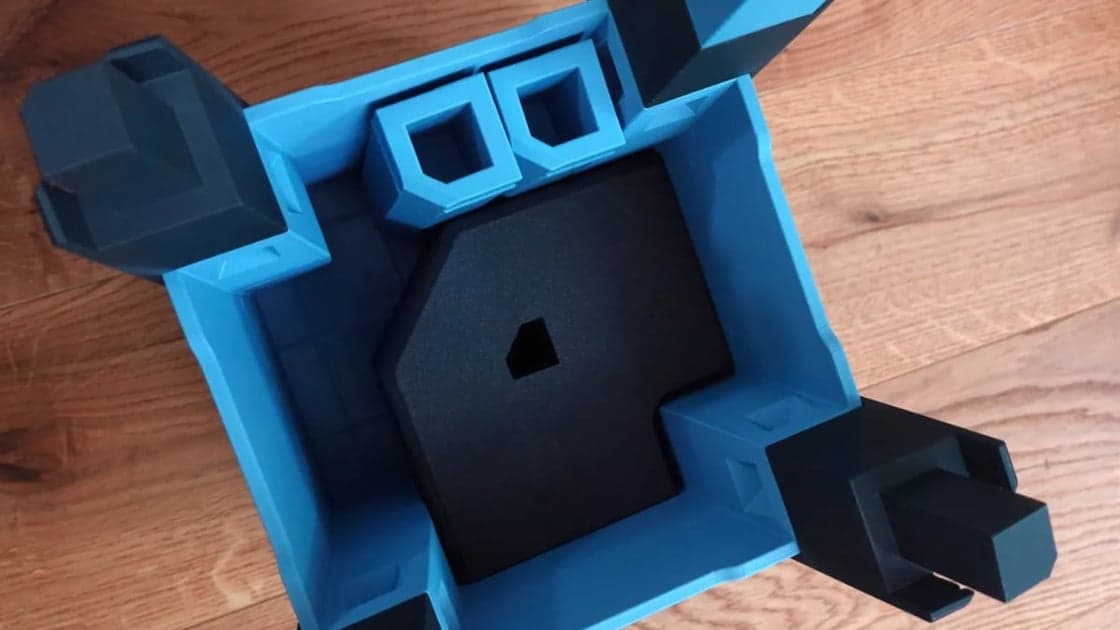
Rostec says a redesigned oil sump housing for the PD-8 jet engine came out 40% lighter after engineers rebuilt it as a single 3D-printed component, while machining volume fell by 80%. The change turns what was once a multi-element assembly into one complex-geometry part, a clean example of how additive manufacturing can replace bracketed, machined, and joined subassemblies with a lighter structure.
The PD-8 is being developed by United Engine Corporation at UEC-Saturn in Rybinsk for the import-substituted SJ-100 regional jet and the Be-200ChS amphibious aircraft. Rostec says the engine uses advanced Russian materials and 3D printing, and the oil sump sits at the center of that approach because it is a key part of the engine’s oil system. For builders who follow design-for-AM closely, the lesson is plain: the biggest gains often come not from printing a familiar shape, but from redesigning the part so it no longer needs to exist in the old form at all.
UEC said in August 2025 that more than 200 PD-8 parts had been designed for additive manufacturing and that more than a dozen were already being serially made by layer-by-layer synthesis. The company has also pointed to lightweight compressor internal panels for a later PD-8 modification, saying those parts should reduce engine mass, improve fuel efficiency, and lower life-cycle cost. In other words, the oil sump is not an isolated stunt; it sits inside a broader parts strategy that keeps pushing more of the engine toward additive-first geometry.
The PD-8 program has moved through a long test campaign. UEC began bench testing the first prototype in May 2022, flight trials followed in January 2023, and Rostec said in May 2026 that certification testing had been completed. Across development and certification, the engine accumulated more than 6,500 operating hours, including nearly 1,450 flight-test hours. Rostec also says the PD-8 design stage involved 25 critical technologies, 17 of them brand-new, underscoring how much of the engine was built around localized production and additive methods from the start.
That makes the oil sump redesign the most readable part of the story for the 3D printing crowd. The value is not just that it was printed, but that the printed version consolidated multiple elements into one lighter part and cut machining by four-fifths, which is exactly the kind of engineering trade that keeps additive manufacturing relevant far beyond showpiece prototypes.
This article was produced by Prism’s automated news system from verified source data, official records, and press releases, then run through automated quality and moderation checks before publishing. The system is built and supervised by the people who set the standards it runs under. Read our full AI policy.
Did this article answer your question?