3D printed kitchen-waste robot turns scraps into compost-ready output
A kitchen-waste robot built around 3D printing points to cheap, modular home machines that can turn messy scraps into useful output.
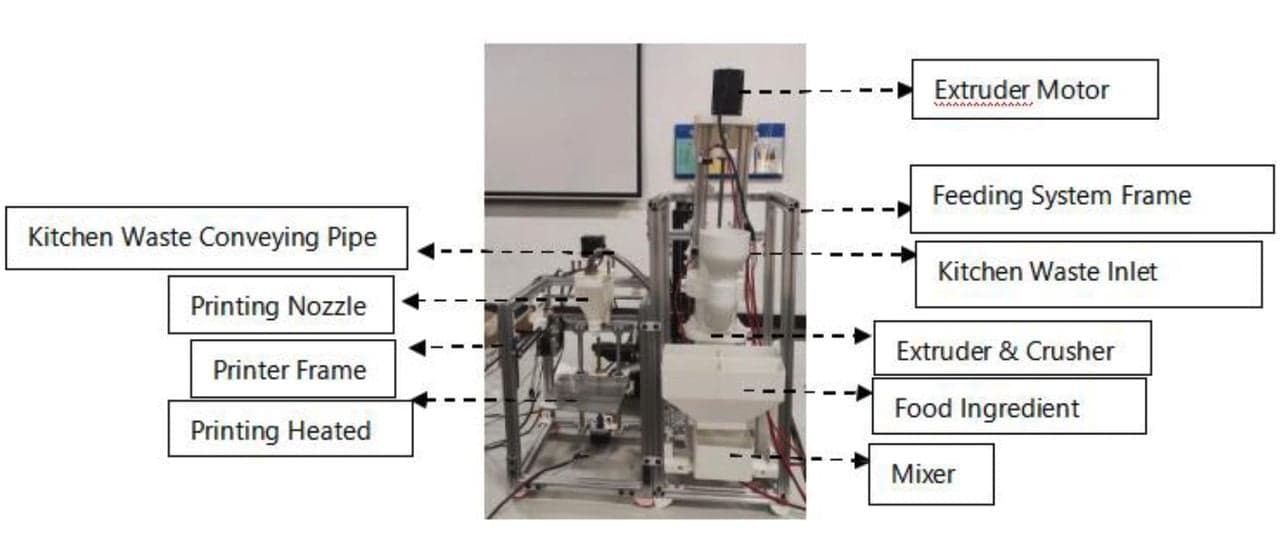
A kitchen robot that works on scraps instead of spools is the kind of project that makes 3D printing feel useful in a very literal way. The paper behind it, titled Design And Implementation Of A Multifunctional 3d Robot For Kitchen Waste Recycling, frames the machine as a way to achieve on-site, resource-oriented, high-value utilization of kitchen waste, with the abstract saying it can directly turn scraps into practical items such as flowerpots.
The listing for the paper identified XiaoCui Tian as the author and dated it 2026-05-28. That title matters to makers because it reads like a build log, not just a simulation study. The real opportunity here is in the ugly, custom geometry that home printers handle well: chutes, guards, housings, mounts, and motion parts that can be tuned quickly when the first version jams on a fibrous peel or a damp chunk of food.
Kitchen waste is a brutal environment for a machine, which is exactly why this kind of project points beyond decorative prints and printer upgrades. Moisture, clogs, soft organics and unpredictable input all punish weak design choices. The materials lesson is straightforward too: PLA is the wrong bet near heat or moisture, while PETG and ASA make more sense for splash resistance, and nylon, especially reinforced nylon, is better suited to gears and load-bearing parts.
The bigger backdrop makes the idea land harder. USDA says U.S. food waste is estimated at 30 percent to 40 percent of the food supply, a figure that once translated to about 133 billion pounds and $161 billion worth of food in 2010. The U.S. Environmental Protection Agency also calls food waste the single most common material landfilled and incinerated in the United States. Globally, the United Nations Environment Programme said the world wasted 1.05 billion tonnes of food in 2022, a problem tied directly to the push to halve per-capita food waste by 2030 under SDG 12.3.
That is why a kitchen-waste robot feels less like a lab curiosity and more like a prototype for the next wave of functional home machines. A 2025 MDPI Robotics paper on a 3D-printed waste-collection gripper, built with a desktop printer and off-the-shelf servomotors, reached up to an 80 percent grasp success rate on common waste items. Put together, the message is clear: inexpensive, custom-fabricated robotics is creeping into the messiest corners of domestic life, and that is where printed parts start looking less like a hobby and more like infrastructure.
This article was produced by Prism’s automated news system from verified source data, official records, and press releases, then run through automated quality and moderation checks before publishing. The system is built and supervised by the people who set the standards it runs under. Read our full AI policy.
Did this article answer your question?