3D printers that recycle waste into fresh filament for makers
Recycling failed prints can pencil out, but only when your scrap bin is full, your materials are sorted, and your patience can handle the extra workflow.
The kitchen-table math
The appeal is obvious the moment a failed print lands in the trash: that is money you already spent on plastic, support material, purge lines, and calibration pieces, now waiting to be thrown away. A recent 3D printing roundup treats that waste as feedstock instead, and the real question for a home workshop is whether the loop is tight enough to save more than it costs in time and fuss.
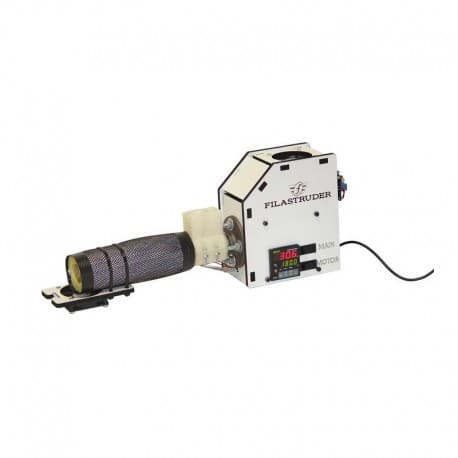
That is where the economics get honest. Filastruder’s old benchmark of about 12 hours to extrude 1 kilogram of filament is a reminder that recycled filament is not free just because the plastic started in your own shop. The payoff depends on how much scrap you generate, how cleanly you can separate it, and whether you print enough that the extra handling feels like part of the workflow instead of a second hobby.
What these machines actually do
The current crop of recyclers is not one category, it is a spectrum. Some are DIY kits for people who want to tune, tinker, and live with a bench full of parts; others are more plug-in-and-go desktop systems that try to reduce the friction between waste and finished filament. That split matters, because a recycler that looks affordable on paper can still be a poor fit if you want consistency more than experimentation.
3devo’s setup shows how complete the chain can be. Its desktop recycling workflow includes the GP20 plastic shredder, which turns waste into granules before those granules are processed by its filament-making system. That extra stage is useful if you want a more controlled feedstock, but it also means more steps, more cleaning, and more places where contamination can creep in.
The older maker canon explains why this market still feels so hands-on. Make reported that the Filabot Wee could melt PLA or ABS pellets and was sold either fully assembled or as a complete kit. That kit-versus-assembled distinction is still the clearest line in this category: the more you want to own the process, the more you accept the process.
Where the home-user tradeoffs show up
Upfront cost
The entry point is the first big fork in the road. DIY machines and kits lower the barrier if you are comfortable assembling and troubleshooting, while more finished commercial systems are designed to save time and reduce setup risk. For a hobbyist, that means the sticker price is only part of the cost, because the cheaper route often asks for more of your labor up front.
Mess and cleanup
Recycling plastic is not a clean-bench proposition. Shredding, granulating, and extruding all create handling steps, and the workflow gets especially fussy if you swap materials often. DIY recycling is workable, but the grinder and extruder need to be thoroughly cleared when moving between plastics such as PLA and PETG, or the next batch inherits the last batch’s problems.
Consistency
Consistency is where a recycler earns or loses trust. A machine that can turn scrap into filament is one thing; making filament that feeds predictably and prints reliably is another. That is why the move from loose waste to granules to filament matters, and why systems that are built around material preparation often feel more deliberate than one-step, all-purpose gadgets.
Material limits
The material side is narrower than the marketing sometimes suggests. Filabot Wee was designed around PLA and ABS pellets, while other recycling stories in the maker world show how specific feedstocks can be, from used fishing nets turned into 100 percent recycled Nylon 6 to powder waste repurposed into new filament. In practice, the machine you buy or build has to match the plastics you already produce, not the plastics you wish you produced.
Break-even scrap
This is the part that determines whether the project feels clever or expensive. A recycler starts making sense when your waste stream is large enough, and clean enough, to keep the machine busy without turning every spool change into a production problem. Filastruder’s 12-hour pace for 1 kilogram makes the point plainly: if your printer only coughs up a little scrap now and then, the economics are weak, but if you are running prototypes, color swaps, supports, and purge-heavy jobs every week, the scrap bin can begin to justify its own machine.
Why the bigger ecosystem matters
The current market is not just hobbyist self-sufficiency, it is part of a wider circular-economy push. Ultimaker has highlighted the Perpetual Plastic Project and Fishy Filaments as examples of converting local waste plastics into filament, including a 100 percent recycled Nylon 6 made from used fishing nets. That matters because it shows recycled feedstock is no longer just an experiment on a garage bench, it is turning into a material strategy.
The numbers behind the problem are large enough to explain the attention. Filamentive said in 2024 that 33 percent of 3D printed parts end up as waste, equal to 400,000 kilograms of plastic produced each year in the UK, and it launched its PLA recycling scheme with 3D Printing Waste, or 3DPW, as what it described as the first scheme of its kind in the country. Filamentive then pushed the idea further in February 2026 with rPA12, a filament made from 100 percent recycled Multi Jet Fusion powder waste. The message is hard to miss: recycled input is moving from the edge of the hobby into real product lines.
What this means at the printer table
For a maker who prints enough to create a steady stream of leftovers, a recycler can turn waste into a usable workshop material instead of a guilt pile. For someone who prints occasionally, or jumps constantly between plastics without a disciplined cleanup routine, the same machine can become one more box taking up space. The difference is not ideology, it is throughput, cleanup, and whether your scrap is clean enough to become feedstock instead of clutter.
That is the quiet truth behind the whole category. The trash bin only becomes a filament source when the volume, the sorting, and the patience line up, and when they do, the economics can finally match the promise sitting there on the bench.
This article was produced by Prism’s automated news system from verified source data, official records, and press releases, then run through automated quality and moderation checks before publishing. The system is built and supervised by the people who set the standards it runs under. Read our full AI policy.
Did this article answer your question?