3D printing enthusiast sets 59-second 3DBenchy speed world record
A 20th-iteration Minuteman machine cut a 3DBenchy to 59 seconds, turning a decade-old torture-test into a brutal demo of what speed-tuned FDM can do.
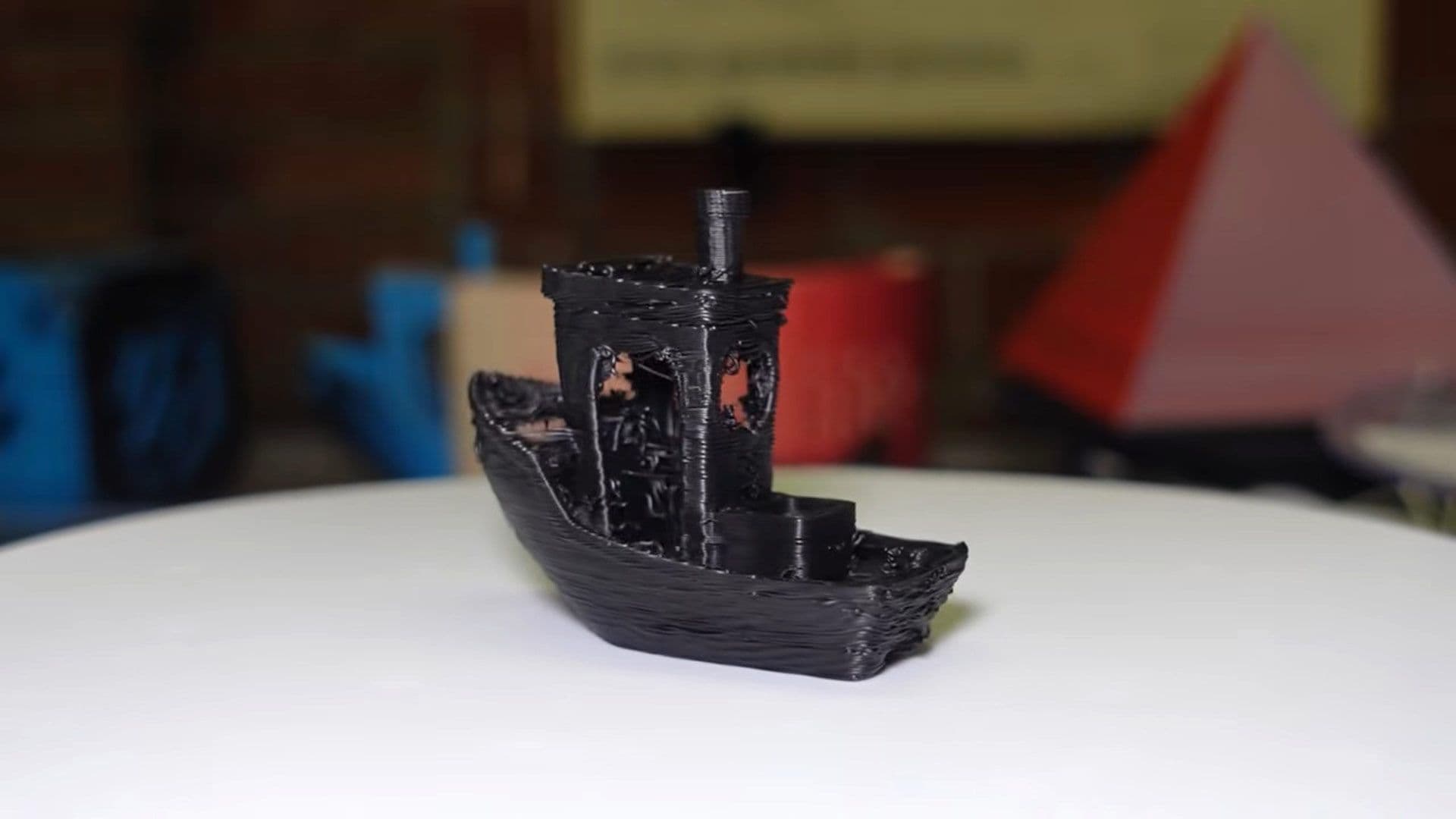
A 3DBenchy in 59 seconds is not a novelty print, it is a stress test pushed to the edge of what desktop FDM can survive. Yan Roetz reached the new speed world record with the 20th public iteration of his Minuteman design, and the result matters because the Benchy is the hobby’s shared calibration boat, the model everyone knows well enough to judge instantly.
That is what gives the number its punch. 3DBenchy was created by Daniel Norée and Paulo Kieffe as a benchmark and calibration model for 3D printers, and they described it as a “jolly 3D printing torture-test.” First released on April 9, 2015, it later entered the public domain in February 2025 after Creative Tools was acquired and merged into NTI in 2024. A decade later, the model still acts as a common language for the desktop printing crowd, which is why a sub-minute finish lands as a real marker of how far high-speed tuning has come.
Roetz did not get there in one lucky run. His YouTube series on the Minuteman project documented a multi-episode chase for a sub-1-minute Benchy, with earlier milestones including a 74-second print under SpeedBoatRace rules and even previous sub-2-minute work about a year earlier. The build series also showed tests around filament, cooling and redesigns, which is the real story behind the headline speed: not one setting, but a long chain of changes that had to work together.

That is the part hobbyists can actually use. A 59-second Benchy forces a printer to balance inertia, ringing, cooling limits, extrusion consistency and slicer settings at the same time. The lesson is not to copy the record chase wholesale, because the compromises that make a machine survive at that pace can trash surface quality or wear out a normal hobby setup. The useful takeaway is more practical: faster printing comes from tightening the whole system, from motion and firmware tuning to cooling and repeatable calibration, not from cranking one dial and hoping for the best.
Conventional printers often need 20 to 30 minutes for a Benchy, so Roetz’s 59-second result is roughly a 20 to 30 times jump in speed over a normal benchmark run. What looks effortless in the final clip is really the end of roughly a year and a half to two years of iteration, and that is exactly why the record matters to the broader maker world.
This article was produced by Prism’s automated news system from verified source data, official records, and press releases, then run through automated quality and moderation checks before publishing. The system is built and supervised by the people who set the standards it runs under. Read our full AI policy.
Did this article answer your question?