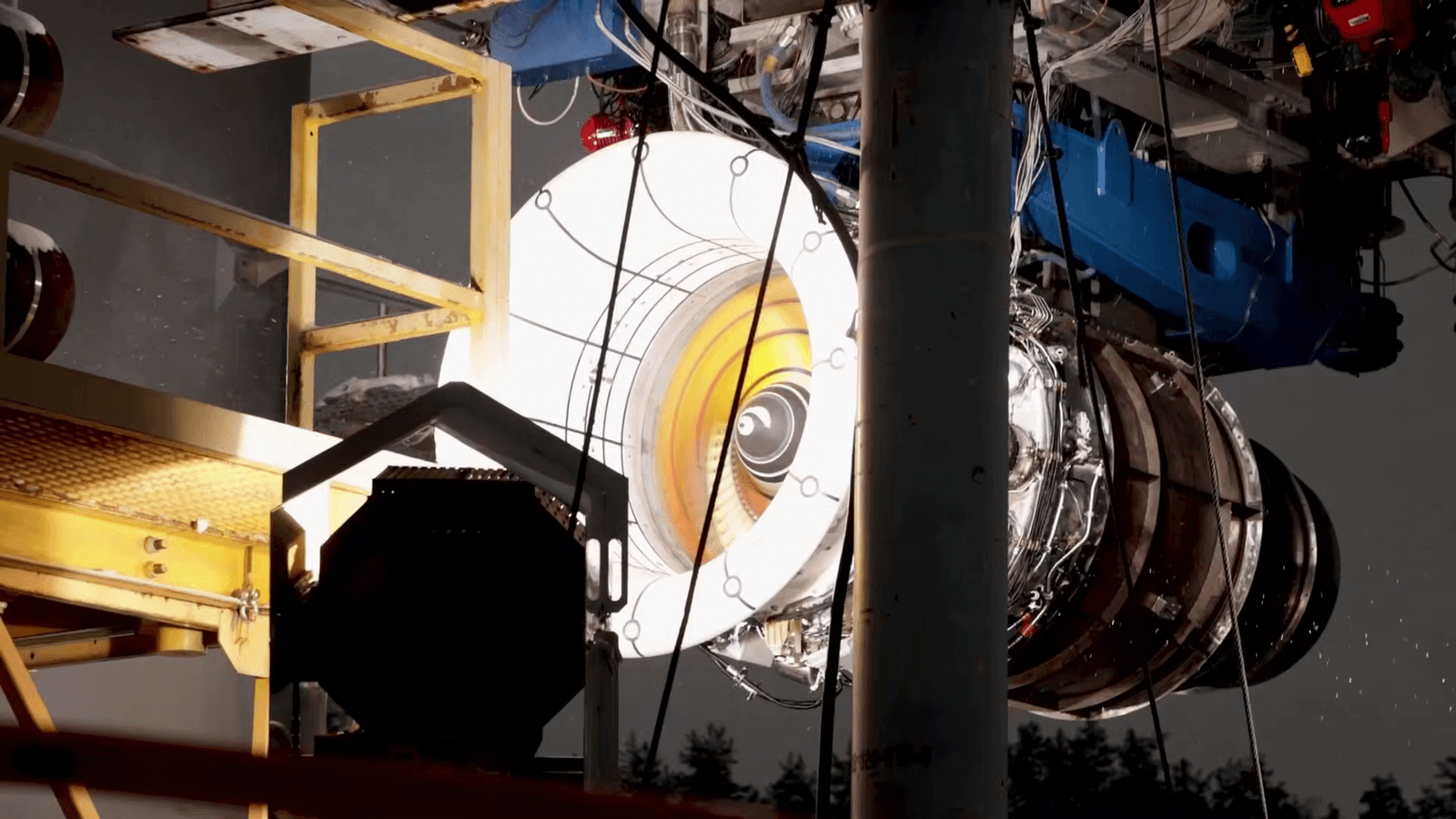
3D Systems patent targets printhead alignment in multi-head jetting systems
3D Systems is trying to tame a tiny mechanical error that can ruin expensive multi-head prints: printhead alignment. Its new flexure-mounted patent could point to cleaner interfaces and steadier calibration.
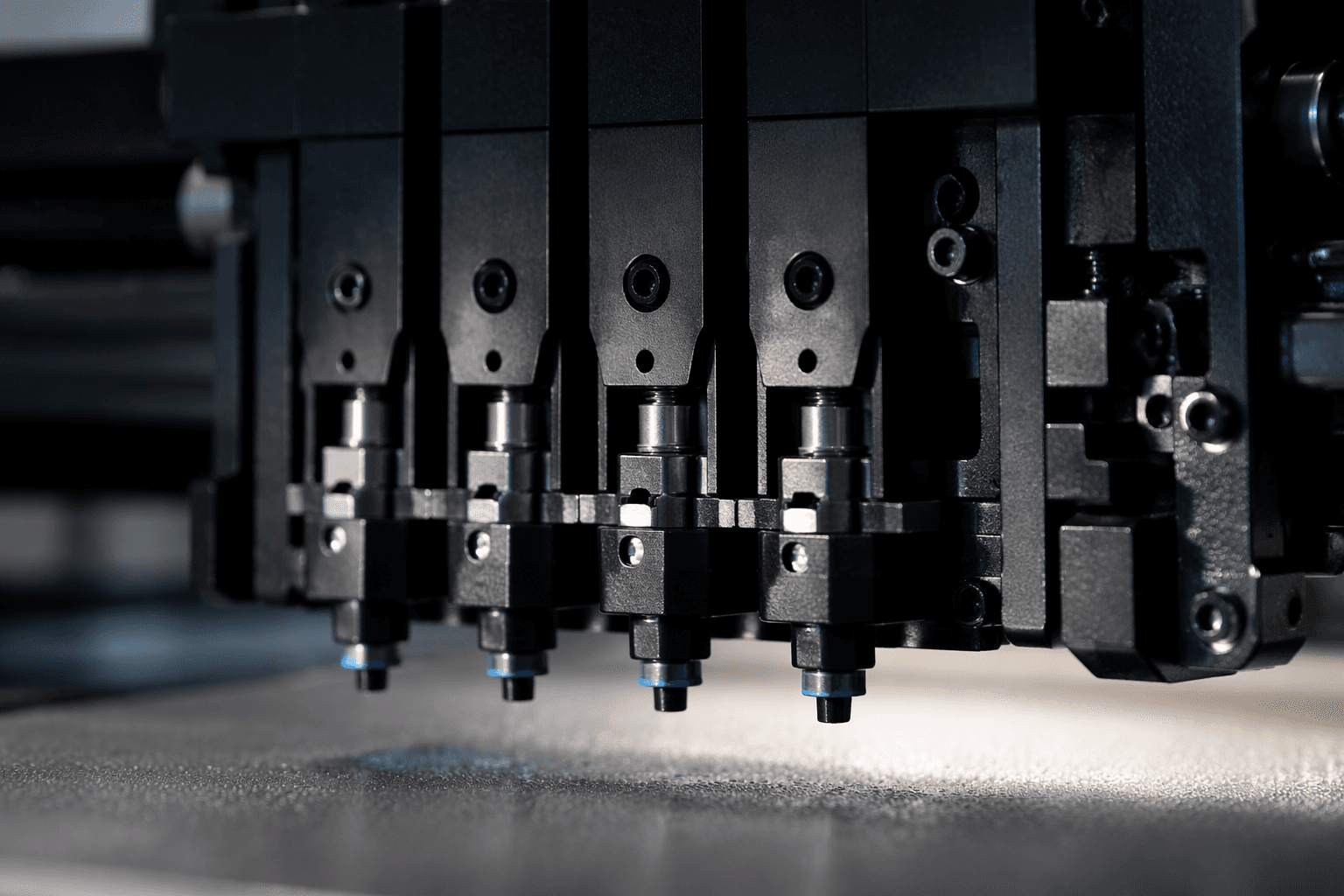
A tiny offset between printheads can leave a very expensive mess in multi-material printing, from visible artifacts and rough surfaces to bad interfaces between build and support materials. 3D Systems is now trying to solve that problem with a flexure-mounted alignment scheme in a patent application titled Flexure Mounting And Alignment Within A Three-Dimensional Printer.
The application, EP4748555A1, was published by the European Patent Office on May 27, 2026, with 3D Systems, Incorporated listed as the applicant. The core idea is straightforward: instead of depending on loose adjustment hardware, bearings, or sliding joints that can drift, the printhead sits in a deliberately bendable structure that can be tuned into a repeatable position. In a precision machine, that matters because every head has to land exactly where the others expect it to be.
That challenge is especially sharp in multi-head material jetting systems, where different heads may deposit build material, support material, wax, or other droplet-based substances. 3D Systems says its MultiJet Printing uses piezo printhead technology to deposit photocurable plastic resin or casting wax materials layer by layer, building parts, patterns, and molds with fine feature detail. The patent language is broad enough to cover droplet deposition systems using phase-change inks, support materials, tackifiers, monomers, oligomers, catalysts, and UV-curing materials, but the goal stays the same: make head placement more accurate and easier to maintain.
The company has been working this lane for a long time. 3D Systems says it brought MultiJet Printing to market in 1996, and that history helps explain why nozzle alignment remains such a central engineering problem. The European Patent Office says Espacenet gives free access to patent documents from 1782 to today, while its EP full-text search tool is built to track new European patent publications as they appear, which is how an application like this surfaces so quickly.
For professional additive manufacturing users, the payoff is obvious: less calibration downtime and better part quality. For hobbyists and small labs, the interesting question is whether this kind of flexure-based precision can trickle down to smaller multi-material machines, where a misaligned head can turn a clean print into wasted resin, ugly seams, and a failed interface. 3D Systems’ own recent product updates suggest the company is still chasing those gains, with the MJP 300W Plus reportedly delivering over 30% faster speed, 50% less support material, and up to 60% less post-processing time with break-away supports. In multi-head jetting, the smallest mechanical slip can still cause the biggest headache.
This article was produced by Prism’s automated news system from verified source data, official records, and press releases, then run through automated quality and moderation checks before publishing. The system is built and supervised by the people who set the standards it runs under. Read our full AI policy.
Did this article answer your question?