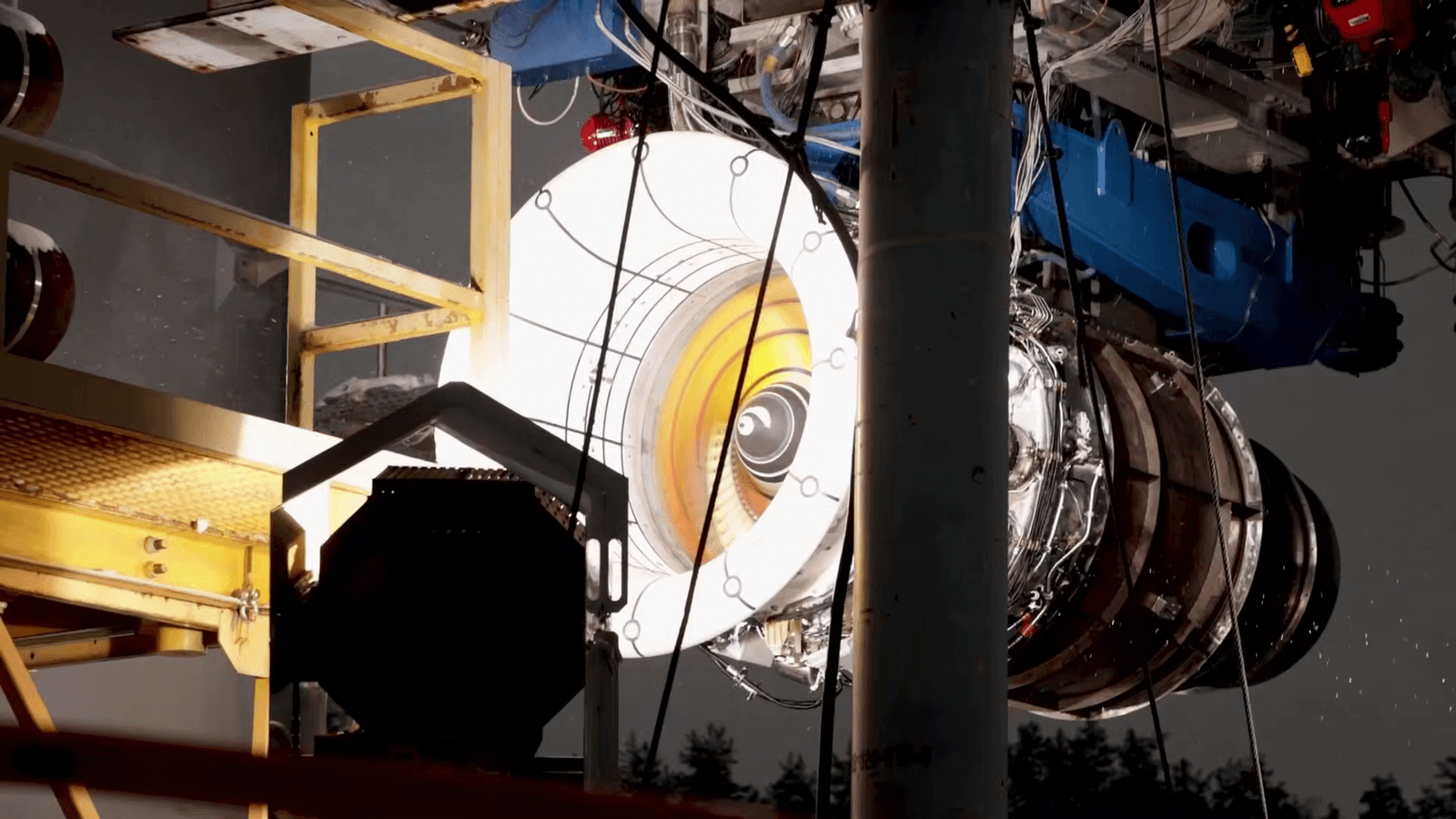
AI-designed 3D printed material beats steel, boosts aerospace performance
AI redrew a carbon nanolattice that 3D printing could actually test, lifting strength by up to 118% and hinting at lighter aerospace parts.
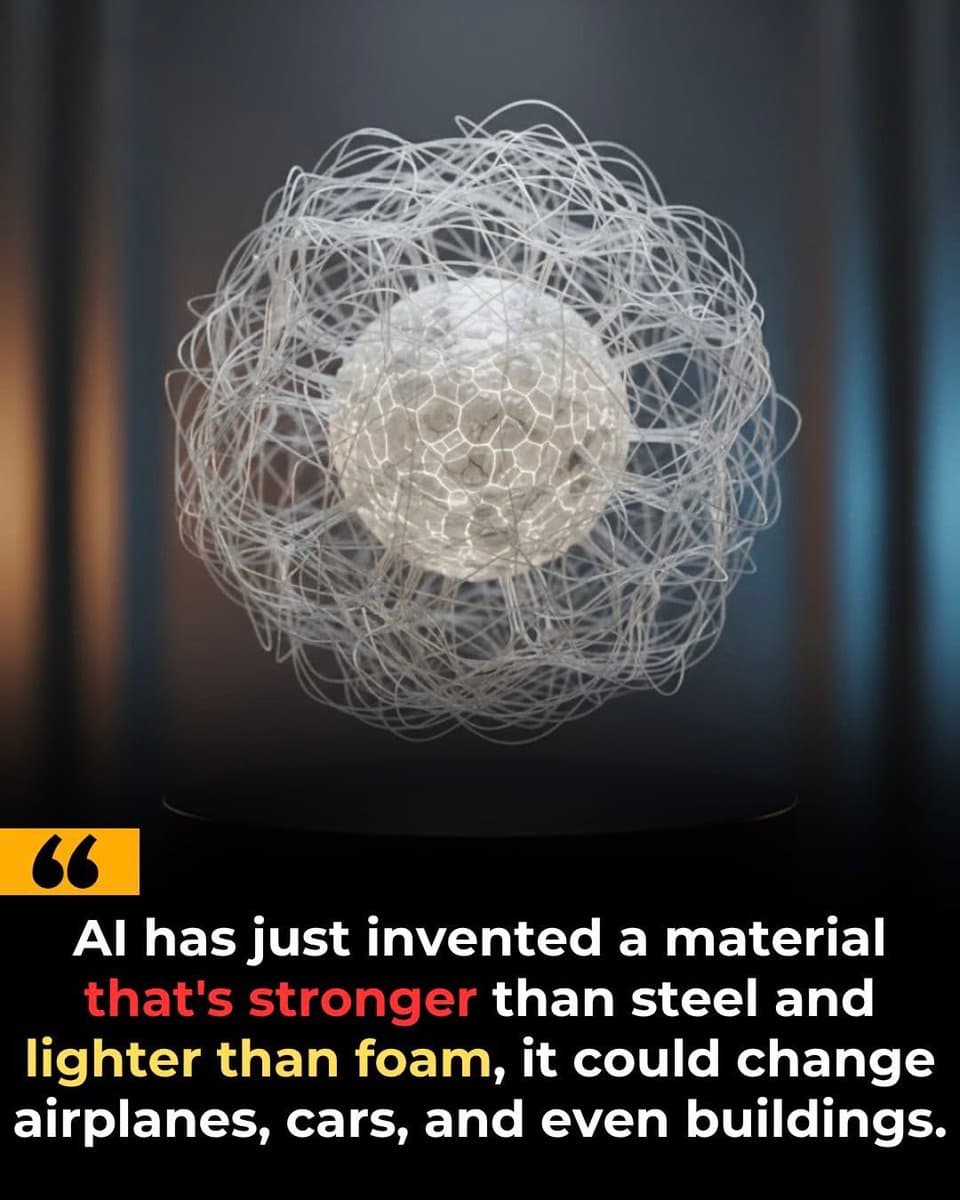
A machine learning workflow has done something lattice designers usually only chase through endless iteration: it redrew the geometry itself. At the University of Toronto, Professor Tobin Filleter’s group used multi-objective Bayesian optimization to redesign carbon nanolattices, then sent the winning shapes to a two-photon polymerization 3D printer at CRAFT so the structure could be built, loaded, and tested in the real world.
The project centered on a nano-architected material made from building blocks only a few hundred nanometres across, with more than 100 of those units needed to match the thickness of a human hair. Peter Serles, the first author, worked with Seunghwa Ryu and Jinwook Yeo at the Korea Advanced Institute of Science and Technology in Daejeon, South Korea, where the optimization step searched for a geometry that could outperform conventional lattice shapes. The paper in Advanced Materials said this was the first time machine learning had been applied to optimize nano-architected materials, and the point was not a new chemistry but a better way to move force through the lattice.
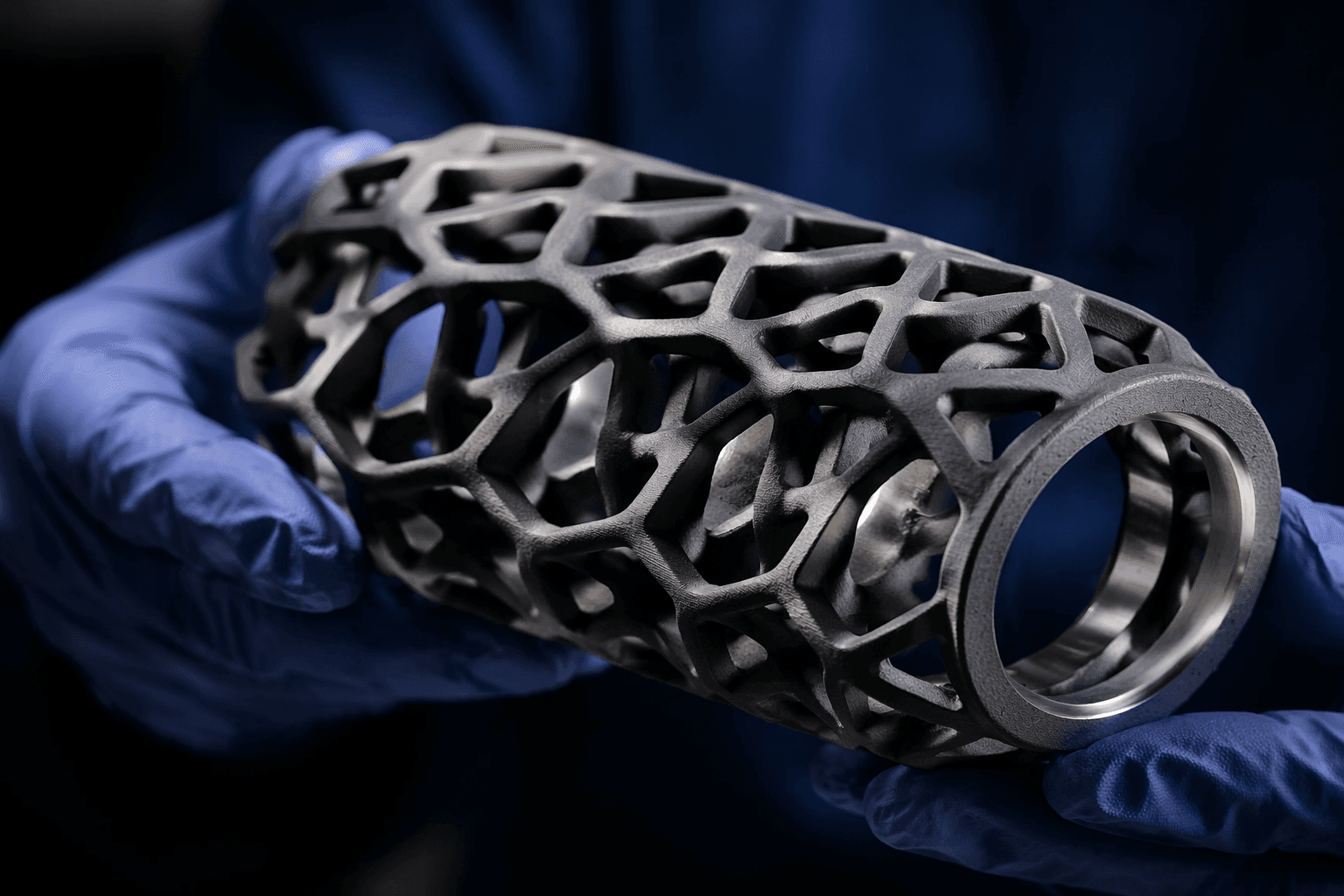
That geometry mattered because conventional lattice forms tend to fail early. Sharp intersections and corners create stress concentrations, which can trigger cracks before the material’s full potential is reached. By letting the algorithm explore shapes humans might not have settled on through normal design cycles, the team improved stress distribution and strength-to-weight performance at the same time.
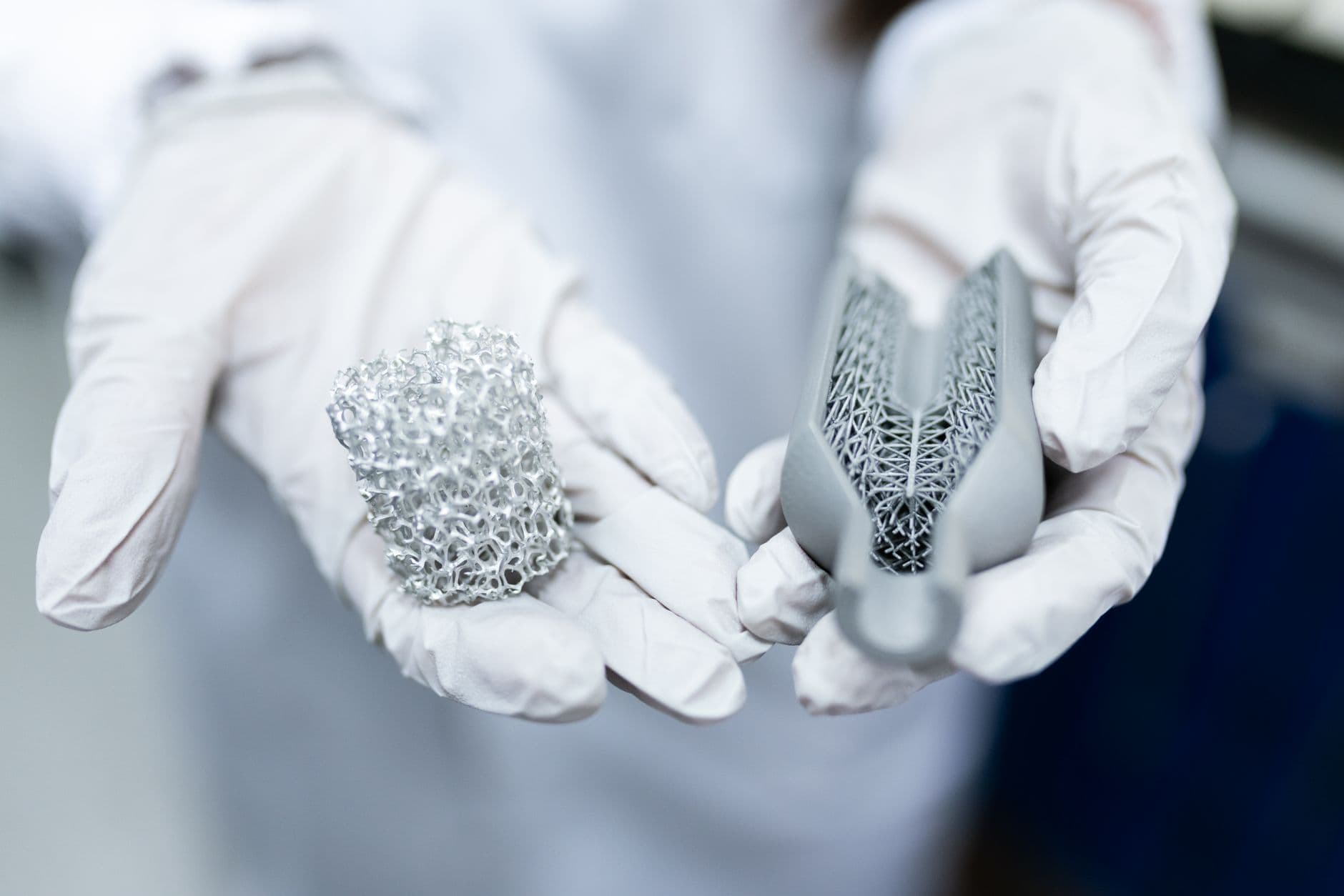
The optimized nanolattices reached a specific strength of 2.03 MPa m3 kg1 at densities below 215 kg m3. At equivalent densities, the paper reported strength gains of as much as 118% and Young’s modulus gains of as much as 68%. The researchers also said the material could support more than a million times its mass, while still being delicate enough to sit on a soap bubble.
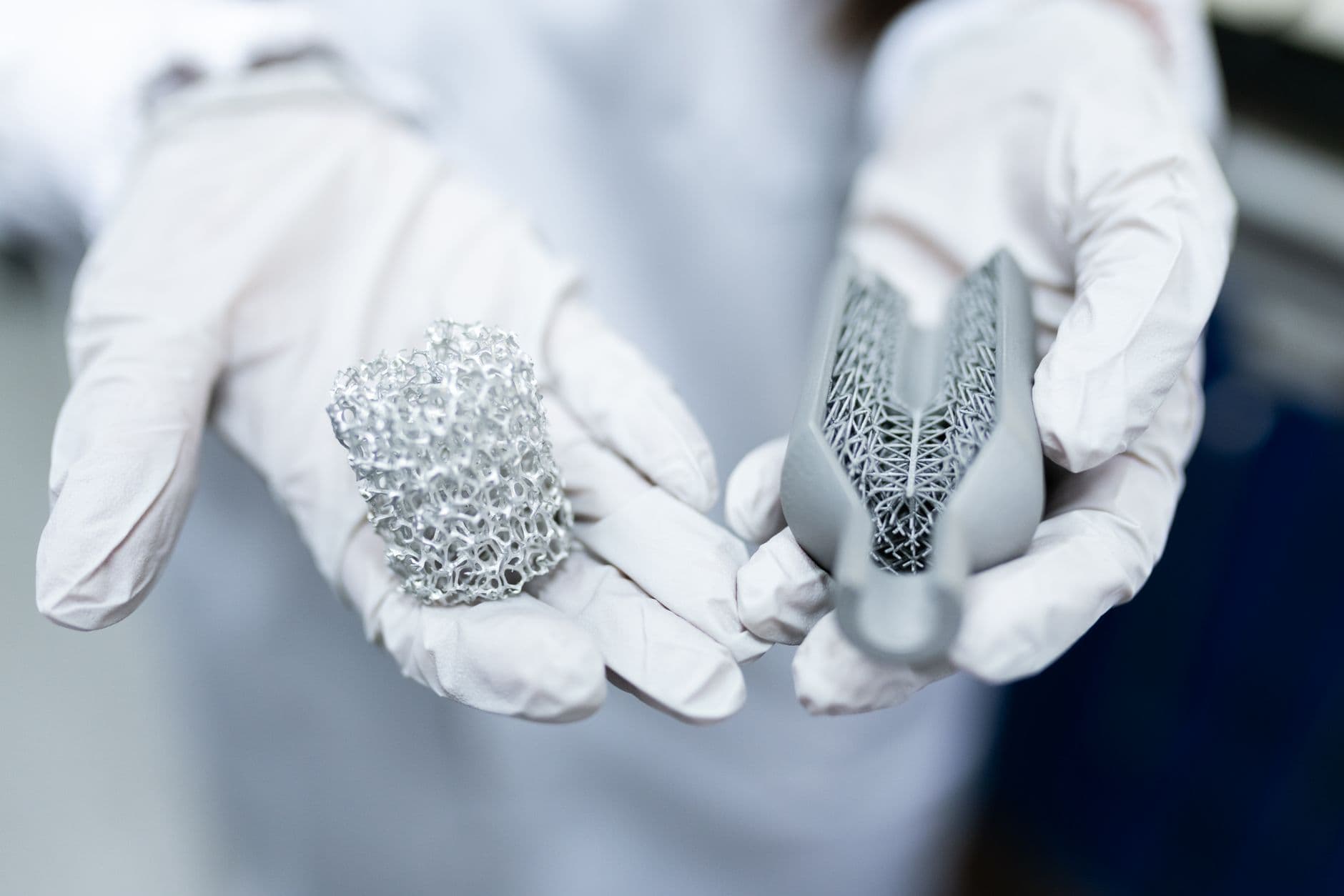
For 3D printing, the workflow is the story. AI proposed the lattice, simulation filtered the options, and the two-photon polymerization printer at CRAFT made the structure tangible enough to measure. That loop is what turns a promising digital geometry into a material that can be handled, loaded, and compared against steel, titanium, and foam-like benchmarks. The U of T team said the approach could help automotive and aerospace applications, and it points toward a larger shift: as lattice-design and generative-design tools improve, the most important breakthrough may be less about what material is used and more about what geometry gets printed.
This article was produced by Prism’s automated news system from verified source data, official records, and press releases, then run through automated quality and moderation checks before publishing. The system is built and supervised by the people who set the standards it runs under. Read our full AI policy.
Did this article answer your question?