All3DP ranks the best resin 3D printers for 2025
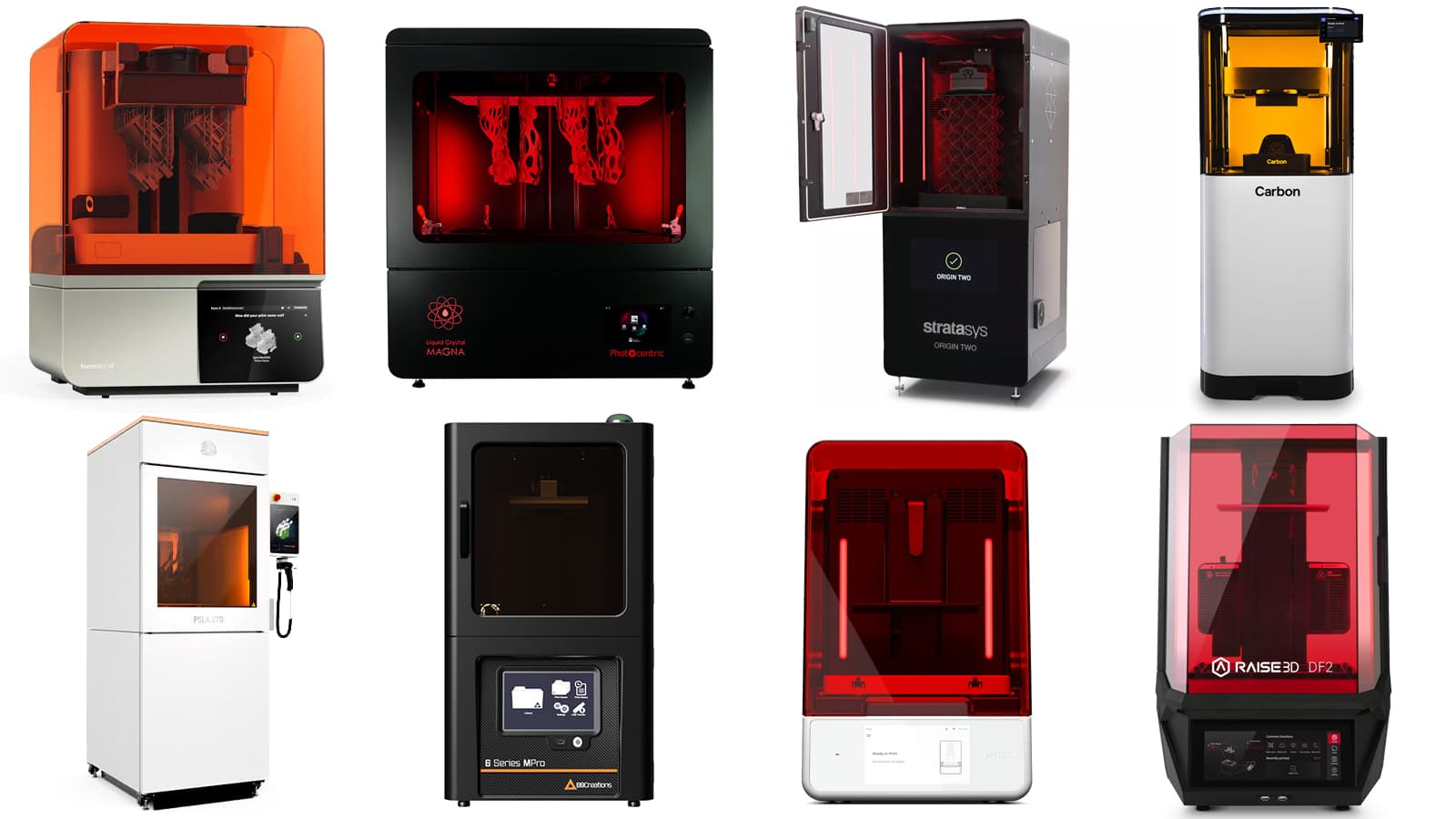
Nine resin printer lanes make 2025 easier to shop: miniatures, props, engineering parts, jewelry, and pro machines each reward different trade-offs.
1. Miniature-first detail machines
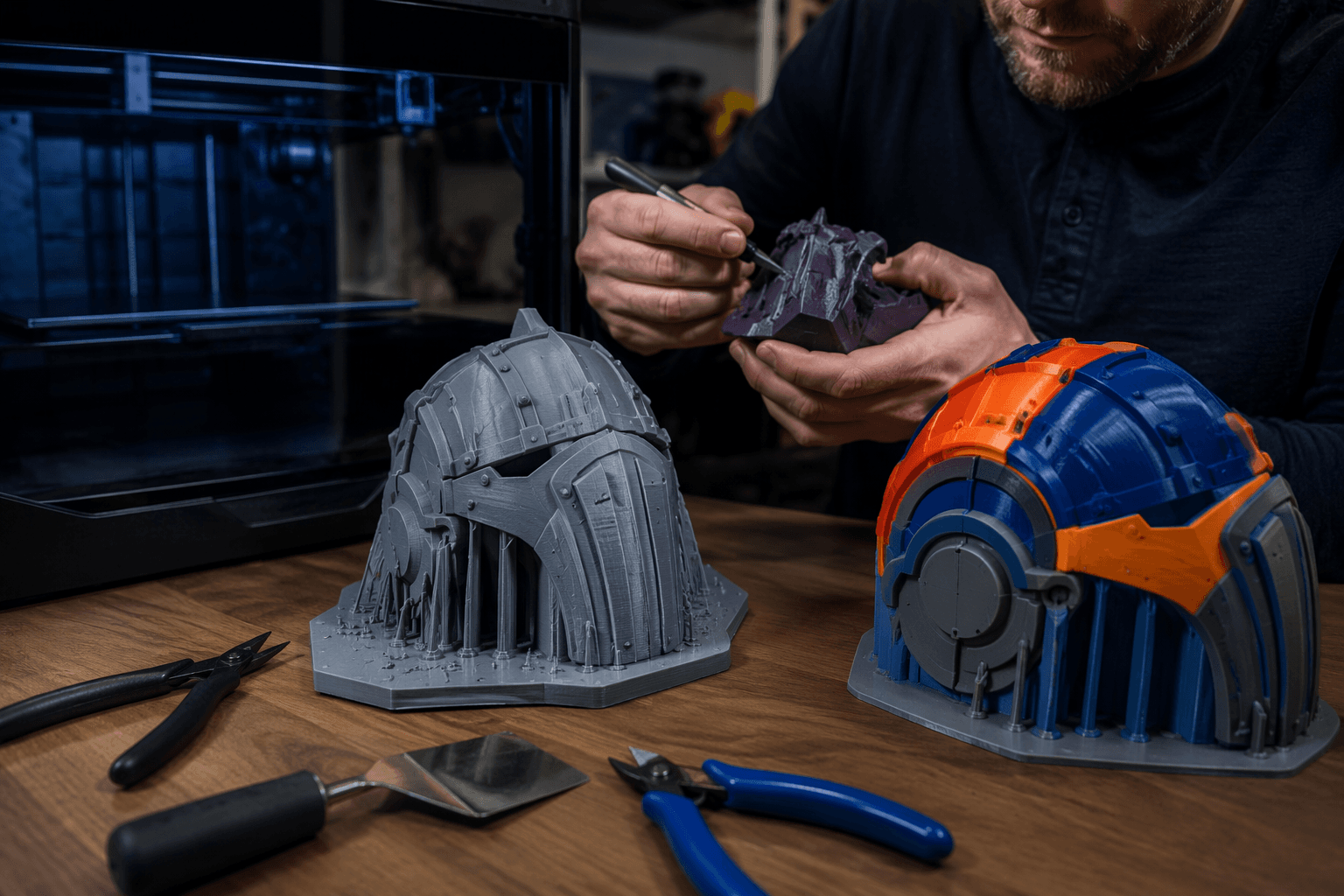
Resin still wins its reputation at tiny scale, where fine detail, smooth surfaces, and high-precision output matter more than raw build size. Formlabs describes SLA as the most common resin process, and its strength is the same one miniature painters notice first: crisp features, smooth finish, and parts that hold up on close inspection.
2. Garage-kit and display-piece specialists
Garage kits, busts, and shelf pieces ask for the same clean surfaces, but over larger, more visible shapes where every ripple shows under paint. That is why 2025 buyers are looking past generic resolution claims and toward printers that keep layer texture low while handling larger panels without turning the model into a sanding project.
3. Larger-format printers for props and terrain
If your resin work leans toward props, terrain, or batch production, build plate size becomes a real daily difference, not just a spec-sheet flex. Meshy’s February 27, 2025 roundup puts the Anycubic Photon Mono M7 Max in the same conversation as smaller desktop machines, which shows how mainstream large-format resin has become. The trade-off is simple: more volume means more resin and more cleanup when something fails.
4. Engineering-part machines for accurate, watertight output
Resin also earns a place in engineering when you need high accuracy, isotropic behavior, and watertight parts for housings, fixtures, and fit checks. Formlabs leans on those strengths in its resin guide, and they explain why resin prototypes can be more useful than filament when tolerances matter. The catch is that the print is only part of the job, because washing, curing, support removal, and finishing still decide whether the part is actually ready.
5. Jewelry-prototype printers for tiny geometry
Jewelry prototypes are a classic resin use case because tiny channels, prongs, and text need crisp edges and a smooth surface. This is where paying for precision makes sense, especially if the goal is to reduce hand-finishing instead of adding another polishing step to the workflow. If your parts are small, this is one of the few categories where extra build volume is less valuable than better detail.
6. Starter MSLA machines that keep setup simple
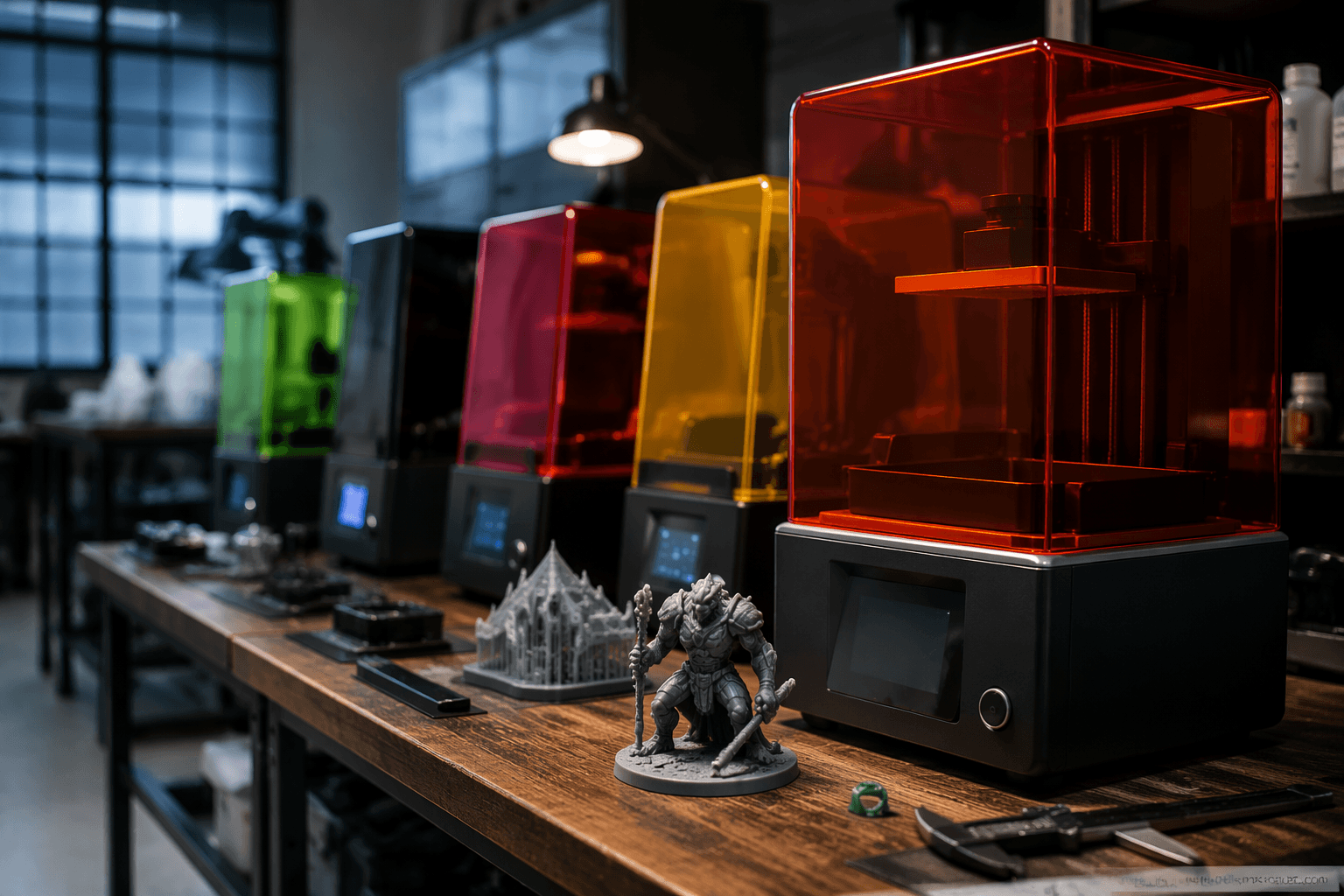
MSLA remains the broad entry point for desktop resin, and in 2025 it is still the easiest way to get into the hobby without buying a machine that feels like lab equipment. Better screens, improved motion systems, and smarter software have made decent results easier to achieve, but the real value here is simplicity: lower friction, fewer barriers, and less room for the first print to go wrong.
7. Speed-and-throughput printers for batch jobs
When you are printing a tray of mini bases or a run of replacement parts, speed only matters if it cuts the whole cycle, not just the exposure time. Meshy’s February 27 roundup, which includes the Elegoo Mars 4 Ultra 9K, HeyGears Ultracraft Reflex RS Combo, Phrozen Sonic Mighty 8K, and Anycubic Photon Mono M7 Max, makes clear that buyers are comparing throughput alongside resolution. The best machines in this lane reduce failed prints and resin waste, because a fast printer that wastes material is slow in practice.
8. Ecosystem-rich combo printers with smarter software
The 2025 resin market is no longer just a contest over pixel count. Buyers are weighing ecosystems, automation, and ease of use, and that is why combo-style machines and friendlier software stacks keep showing up near the top of shopping lists. Pay extra when the upgrade actually shortens setup, lowers the failure rate, or makes the printer easier to live with across a week of jobs.
9. Pro resin systems when the whole workflow is the point
All3DP Pro’s 2025 resin guide pegs the industrial market at roughly $3,500 to $420,000+, which is a reminder that resin scales from a hobby desk to a production floor. Stanford Environmental Health and Safety treats additive manufacturing as a process with hazards that need risk-minimizing steps, while RadTech advises manufacturer documentation, PPE, good housekeeping, hygiene, and cleanup for UV-curable resins. AmeraLabs adds that its resin-safety coverage is based on regulatory data, published research, and manufacturer knowledge, which is exactly how serious resin buying should feel: the printer matters, but the washing, curing, ventilation, and cleanup matter just as much.
The useful trick in 2025 is not chasing the most impressive box on the shelf. It is matching the printer to the job, so the machine that handles miniatures, garage kits, jewelry prototypes, engineering parts, or larger props is the one that makes the rest of the workflow feel easier, not harder.
This article was produced by Prism’s automated news system from verified source data, official records, and press releases, then run through automated quality and moderation checks before publishing. The system is built and supervised by the people who set the standards it runs under. Read our full AI policy.
Did this article answer your question?