All3DP tests recycled PETG filament for strength, clarity, and printability
Green PETG has to do more than sound good. Fillamentum’s recycled Loopfill leans on clean medical scrap, and the real test is whether it still prints like PETG.
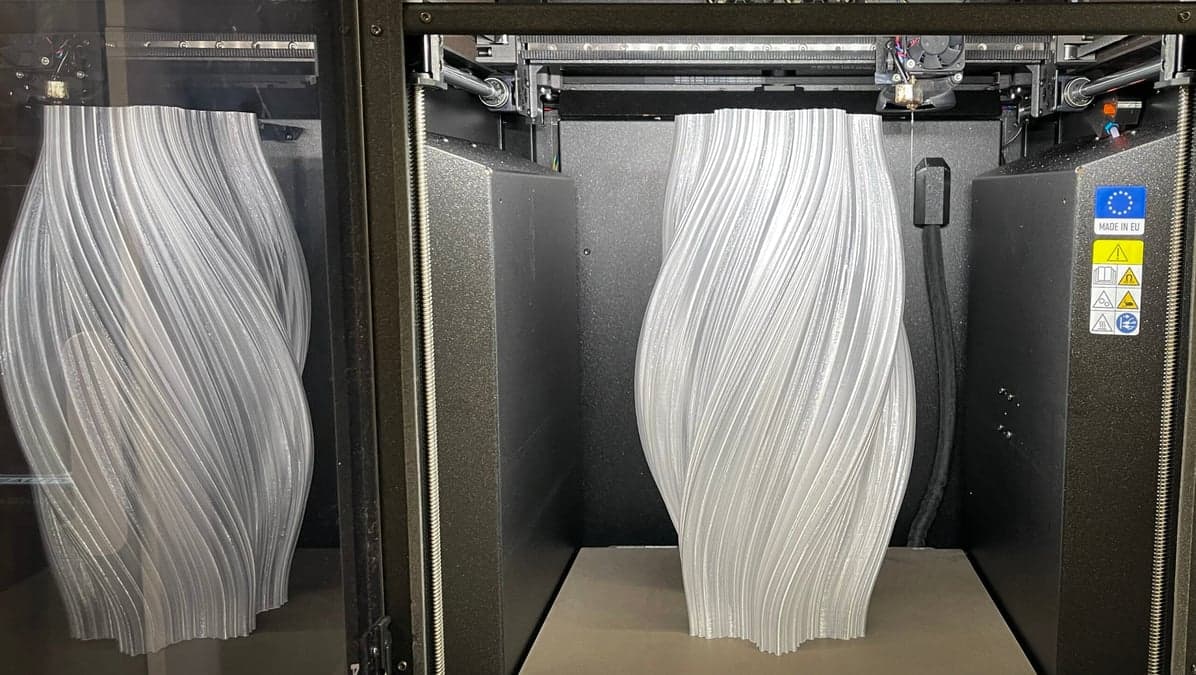
Why this spool has to earn trust
Recycled filament always walks into the shop with a question mark attached. PETG users do not just want a sustainability story, they want the same tough, glossy, forgiving behavior they expect from a normal spool, with no surprise stringing, no mushy layers, and no weird compromises hiding in the corners of the print. That is exactly why a three-month test of Fillamentum’s rePETG Loopfill matters: the material has to prove that “green” does not automatically mean “good enough.”
The strongest version of the case is simple. If recycled PETG can preserve the usual PETG mix of strength, clarity, and easy printing, then the environmental win stops being decorative and starts becoming practical. That is a much more interesting claim than a fresh label on a box.
What rePETG Loopfill actually is
Fillamentum positions rePETG Loopfill as a sustainable 3D printing filament made from recycled medical-grade PETG, and the company is explicit about the feedstock. It comes from perfectly clean, unused material from the medical industry, including plastic that can no longer be processed for medical production. In other words, this is not the messy, unpredictable side of recycling; it is a controlled industrial loop built from material that never entered consumer waste in the first place.
That distinction matters for anyone who has fought with inconsistent recycled filament before. Fillamentum’s 2025 materials messaging describes the line as a new generation of recycled PETG, engineered for consistent, high-quality printing and made from carefully selected industrial waste streams to avoid the color and quality swings common in standard recycled filaments. The product is sold in 1.75 mm, 1 kg spools, which puts it squarely in the format most desktop printers already expect, even if the brand is clearly aiming at professional and industrial use.
The spec sheet says a lot about the intended use
The technical datasheet gives the clearest picture of how Fillamentum wants this filament to be judged. rePETG Loopfill is listed as 100% recycled PETG from medical production, with optional custom color production and temperature resistance up to 80 °C. It also says the filament can be used to produce electrical and electronic equipment, does not contain restricted substances, and has a workability period of at least 12 months from delivery.
Those details tell you where the company believes the material belongs. This is not being framed as a novelty filament for a benchy and a shelf ornament. It is meant to behave like a serious PETG option, one that can survive practical parts, hold its shape under moderate heat, and fit into workflows where shelf life and material compliance matter as much as print finish.
What to watch on the printer
When a recycled PETG spool claims to be a drop-in material, the real test is whether experienced PETG users would notice anything different in daily use. The answer comes down to a handful of practical checks that matter more than brand poetry.
- Layer adhesion: PETG earns its reputation by bonding reliably, and recycled stock has to keep that strength without turning brittle or soft. If layers fuse cleanly under normal temperatures, the material has passed one of the most important tests.
- Consistency across the spool: A good PETG print is often won or lost by predictable extrusion. Controlled industrial feedstock should help here, because inconsistent color, contamination, or batch behavior is what usually gives recycled filament a bad name.
- Clarity and surface finish: PETG is often chosen for parts that need a translucent, polished look, or at least a clean glossy surface. If the recycled base material stays uniform, the finished part should still look like PETG instead of cloudy mixed plastic.
- Stringing and retraction behavior: PETG already has a reputation for wispy strings if temperature and retraction are off. A recycled version should not force a complete profile rewrite just to keep travel moves tidy.
- Everyday usefulness: The real question is whether your standard PETG settings still work. If you can load the spool, keep your normal profile, and make the same functional parts without tuning from scratch, that is the point where the sustainability story becomes genuinely useful.
That is why All3DP’s framing is so sharp. It is not asking whether recycled PETG sounds responsible. It is asking whether the material still behaves like the PETG people reach for when they need reliability.
Why the recycling story is stronger than a slogan
There is real material science behind the optimism here. A recent Springer study on PETG from face shields, made from material used during the COVID-19 outbreak, found that the plastic could be recycled into FFF filament with properties adequate for 3D printing through up to five recycling cycles. That matters because it shows PETG does not automatically lose its usefulness when it re-enters the recycling loop.
The climate argument is just as concrete. A 2023 life-cycle analysis from KIMYA reported that recycled PETG filaments can reduce CO2 emissions by about 35% compared with virgin PETG. Put alongside Fillamentum’s controlled medical-production feedstock, that figure explains why this filament is getting treated like a production material instead of a feel-good experiment.
The buying criteria that actually matter
If you are evaluating a spool like this, the checklist is refreshingly unglamorous. You want to know whether the material feeds cleanly, prints within familiar PETG temperatures, keeps its clarity or intended color, and delivers the kind of adhesion that makes functional parts trustworthy. The 80 °C heat resistance, 12-month workability window, and compliance-minded datasheet all point in the same direction: this is supposed to slot into real jobs, not just recycled-material bragging rights.
That is the real story behind rePETG Loopfill. The sustainability angle is compelling, but it only sticks if the filament still feels like PETG in the hand, on the bed, and in the final part. When recycled stock can meet that standard, the tradeoff between responsibility and reliability starts to disappear, and that is the kind of shift the 3D printing world has been waiting to see.
This article was produced by Prism’s automated news system from verified source data, official records, and press releases, then run through automated quality and moderation checks before publishing. The system is built and supervised by the people who set the standards it runs under. Read our full AI policy.
Did this article answer your question?