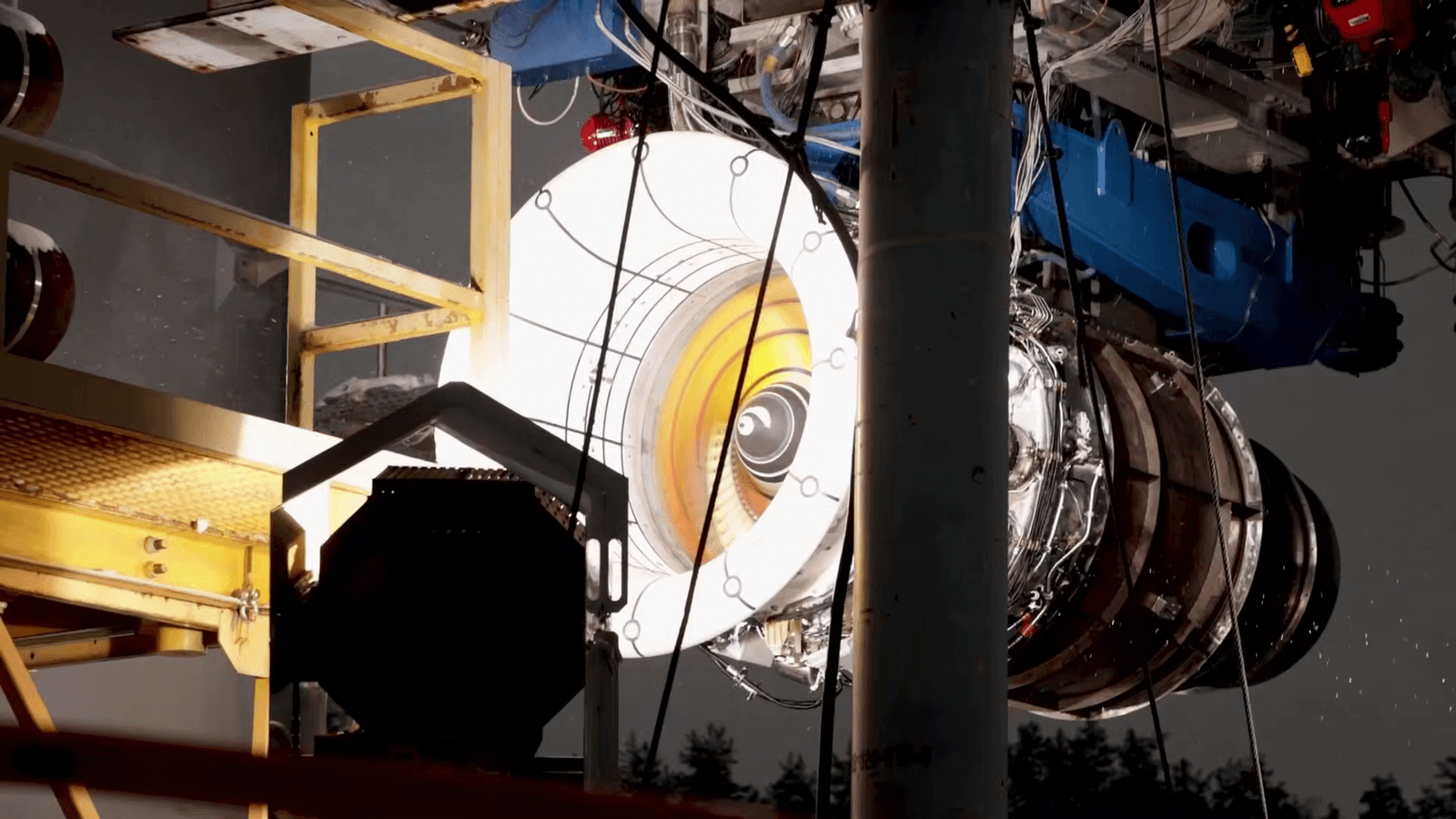
amsight and toolcraft target semiconductor AM with quality management system
amsight and toolcraft aimed their software at the hardest AM customer: semiconductor production, where every build has to be traceable from powder to final inspection.
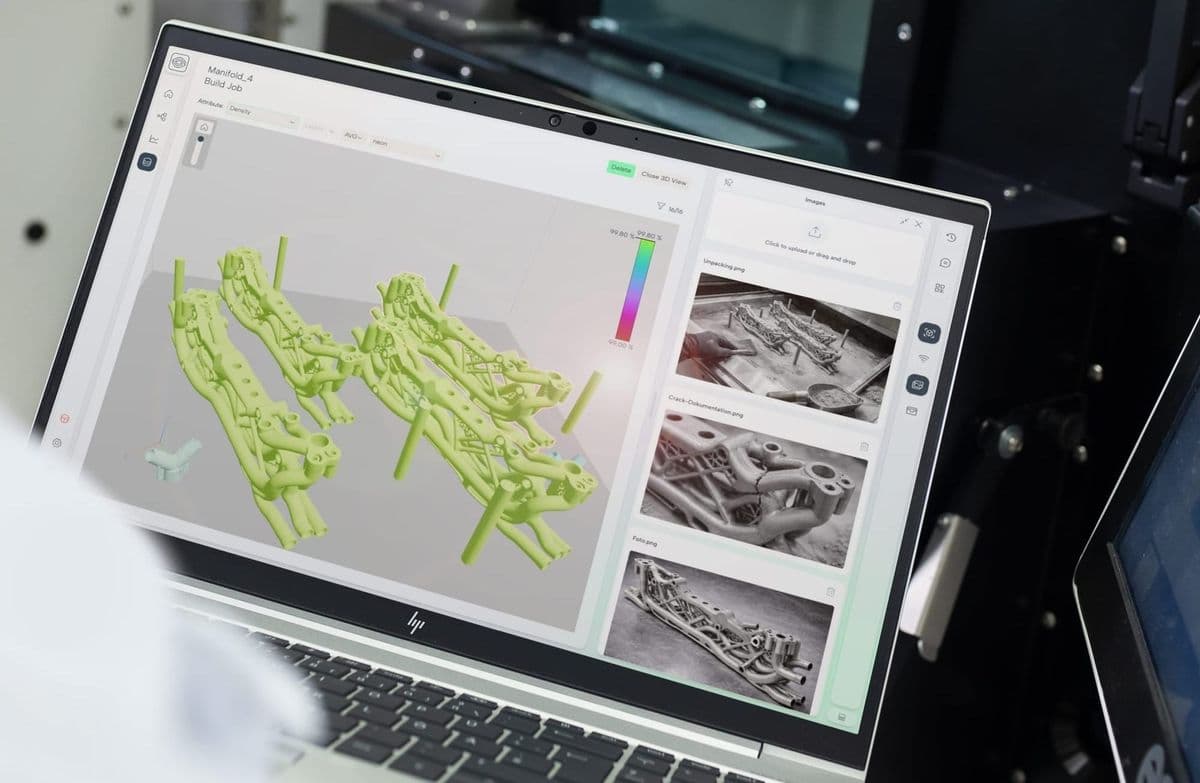
Additive manufacturing only wins trust in semiconductor production when every build can be traced, documented, and audited from raw material entry to final inspection, and amsight and toolcraft built their partnership around that exact bottleneck. The two companies set out to make AM quality management more automated, transparent, and scalable for production environments tied to semiconductor components, where a finished part is never enough on its own. The workflow has to show its work.
At the center of the effort is amsight’s digital quality backbone, which toolcraft is deploying to connect and evaluate production data across its AM workflows. amsight said the setup was meant to strengthen traceability, improve process understanding, and reduce the manual effort usually spent on reporting and analysis. That shift matters in semiconductor-related manufacturing, where a loose prototype mindset falls apart quickly. In that world, quality control is not a final gate at the end of the line. It has to run through the whole process chain, so the data is there when a part needs to be explained, compared, or certified.

The partnership also reflects toolcraft’s own manufacturing profile. The company has expanded additive manufacturing since at least 2012, when it built a third production hall in Georgensgmünd, Germany, and introduced centralized part-flow management for around-the-clock production if needed. Today, toolcraft positions itself as a precision manufacturer serving aerospace, defense, medical, and semiconductor customers, a mix that demands repeatability as much as throughput. That makes it a natural fit for a system built to handle quality data with the same discipline as the printing itself.
The timing is not accidental. Research on additive manufacturing has long pointed to repeatability and reliability as major barriers to broader industrial adoption, and recent reviews still place quality control and quality assurance at the center of production challenges. That is where the semiconductor angle sharpens the story. This is not a broad claim that software will magically fix AM. It is an attempt to make every layer, every build parameter, and every inspection step visible enough for a high-stakes supply chain to trust.
amsight, founded in 2023 in Hamburg by four co-founders and led by industry experts with more than 20 years in additive manufacturing, is leaning into that pressure point. For semiconductor AM, the real test is not whether a part prints once. It is whether the whole process can be read back, build by build, like a print log that never forgets a defect.
This article was produced by Prism’s automated news system from verified source data, official records, and press releases, then run through automated quality and moderation checks before publishing. The system is built and supervised by the people who set the standards it runs under. Read our full AI policy.
Did this article answer your question?