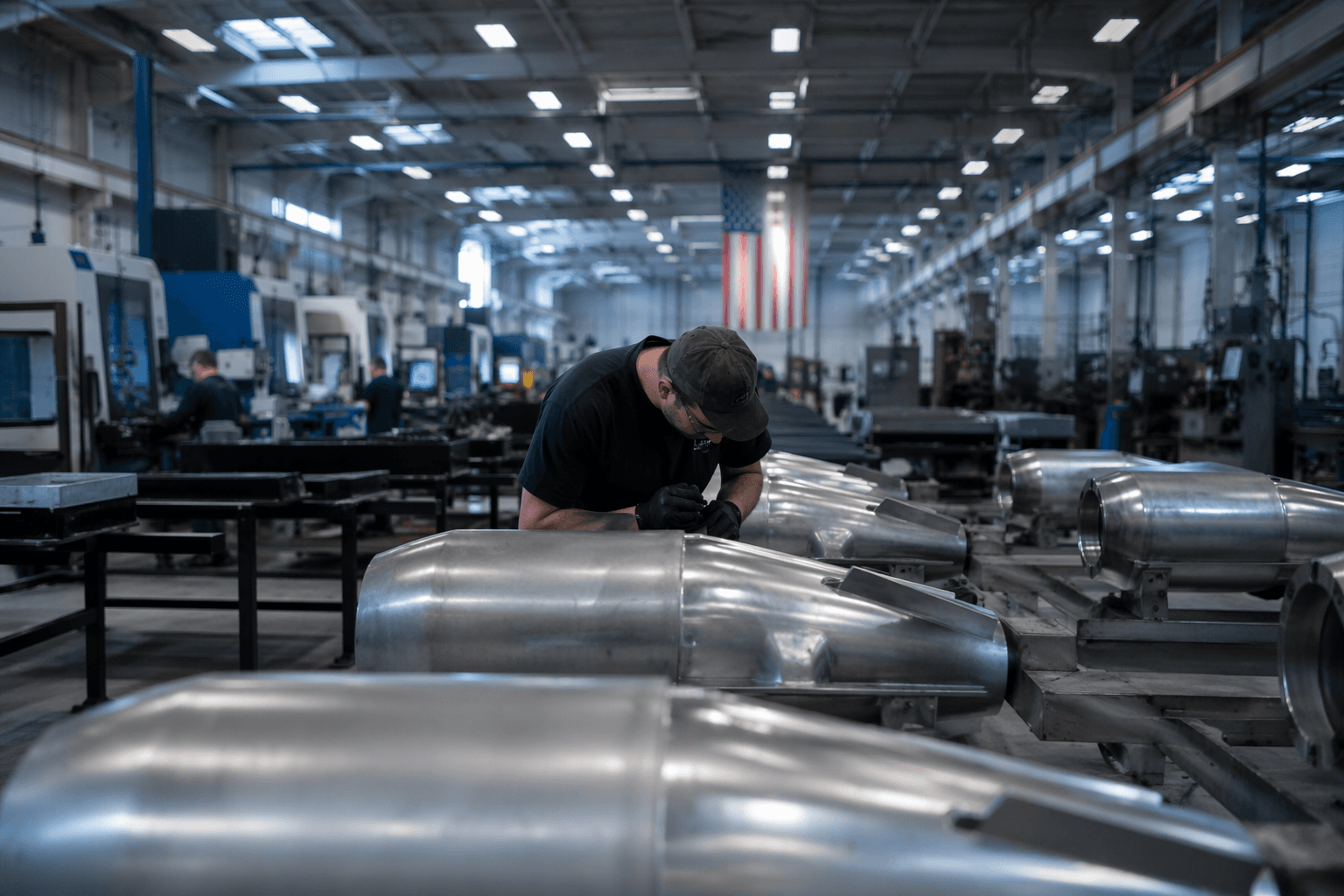
Automakers use 3D printing to speed EV parts development
Automakers are using 3D printing to collapse parts, speed EV development, and move additive from prototypes toward production-minded work.

The big shift in automotive 3D printing is not novelty, it is compression. Automakers are using additive manufacturing to turn a pile of separate components into one lighter part, cut the time between design and test, and waste less material along the way. If you already think like a maker, the logic is instantly familiar: fewer assemblies, faster iteration, and a path from one good prototype to something you can actually run in production.
Why the car industry keeps coming back to additive
The strongest case for 3D printing in EV work is not that it can print anything. It is that it can make the right things faster. General Motors has already shown what that looks like in practice, consolidating an eight-part seat bracket into a single 3D-printed part using generative design and additive manufacturing. That is the same design-for-AM mindset hobbyists use when they decide a bracket, duct, or enclosure should be printed as one functional shape instead of being built from hardware and compromises.
GM’s Kevin Quinn has drawn an important line in the sand: the company is focused on production opportunities that create business value, not printing every part in a vehicle. That matters because it captures where additive is maturing. The goal is no longer just to prove a concept on the bench. It is to find the components where weight, part count, lead time, and tooling cost all move in the same direction.
Ford describes the same shift from the engineering side. Its rapid manufacturing processes, better known as 3D printing, are changing the way engineers develop and test cars by making prototype parts faster, more flexible and more affordable. For anyone who has waited through a mold change or reworked a design because a first print exposed a fit issue, that is the automotive version of the same win: shorter feedback loops and cheaper mistakes.
What automakers are actually printing
The useful part of this story is how broad the use cases have become. Stratasys says its automotive offerings cover prototypes, tooling and end-use parts, including on-demand production parts. That spread is a good sign that additive is no longer stuck at the concept stage. It is being used where teams need tooling quickly, where prototypes need to behave like final parts, and where a low-volume production run makes more sense than a full conventional supply chain.
That progression also helps explain why additive is showing up in powertrain discussions, not just trim and test fixtures. A 2024 SAE paper says metal additive manufacturing is being applied to prototype and small-series powertrain components across internal-combustion, electric and fuel-cell applications. In other words, the technology is being tested where heat, fit, and functional performance matter, not just where a demo part can sit on a display table.
McKinsey made a similar point in 2022, saying additive manufacturing had moved beyond product design and prototyping into production at scale. That does not mean every plant is suddenly printing everything. It does mean the industry has crossed a threshold where production use is part of the conversation, not a speculative future.
The EV pressure driving the move
EV development is especially well suited to additive because the platform itself is still changing quickly. Gartner said in March 2024 that automakers are entering a new phase of EV development shaped by software and electrification pressures, and it forecast 116 million electric vehicles on the road in 2026. That kind of growth pushes teams to move faster on packaging, thermal management, brackets, housings, ducts and test hardware, all the practical parts that make a vehicle work before the styling headlines ever do.

This is where the hobby-to-industry connection gets really interesting. The same design logic that helps an EV team shave weight from a seat bracket can help a desktop maker rethink a printer enclosure, a cable chain, or a mounting plate. If additive is good at collapsing assemblies in a car, it is also good at collapsing print-time headaches at the bench.
A part designed for additive manufacturing usually rewards the same habits makers already value:
- Reduce part count wherever a single printed form can replace screws, clips or brackets.
- Design for function first, then fit and finish.
- Use the geometry to save material, not just to copy an old shape in plastic.
- Prototype fast enough that the second or third version is part of the workflow, not a setback.
That mindset is exactly why EV programs keep leaning on additive. The value is not just speed. It is the ability to try a lighter or cleaner geometry, validate it quickly, and decide whether it deserves to become a production part.
Why the latest hardware pushes beyond prototyping
The hardware side is moving with the same energy. At RAPID + TCT 2025, HP unveiled new polymer and metal 3D printing innovations aimed at automotive applications. At Formnext 2025, HP announced a collaboration with Würth Additive Group to support digital inventory and localized, on-demand parts. That pairing is a clue to where the industry is headed: not just faster printers, but a more distributed production model where files, stock, and service parts can be managed digitally and made closer to where they are needed.
For automotive teams, that means less dependence on long supply lines for low-volume parts and more room to respond to engineering changes without waiting on tooling. For makers, the analogy is obvious. If you have ever kept a critical spare in a folder instead of a drawer, you already understand the appeal of digital inventory. Additive just scales that instinct up to industrial systems.
What this means back at the desktop
The clearest lesson here is that automakers are not using 3D printing because it is futuristic. They are using it because it makes the work cleaner. It shortens prototype loops, trims excess material, and lets engineers rethink parts as manufactured geometry instead of inherited shapes.
That is the same advantage that makes a good printed bracket feel smarter than a stack of off-the-shelf hardware. Whether the part lives in an EV seat structure, a test fixture, a duct, or a printer enclosure, the winning move is the same: design for the process you actually have, not the one you wish you had. The car industry is just proving, at scale, what makers have been discovering all along.
This article was produced by Prism’s automated news system from verified source data, official records, and press releases, then run through automated quality and moderation checks before publishing. The system is built and supervised by the people who set the standards it runs under. Read our full AI policy.
Did this article answer your question?