Bambu Lab forum warns California bill could censor 3D printers
A Bambu Lab forum thread says California’s A.B. 2047 could force printer-blocking software into slicers and firmware, raising fears for STL sharing and open-source tools.

A California hobbyist who drops an STL into a slicer, tweaks a preset, and hits print could end up running through state-mandated blocking software if A.B. 2047 reaches the desktop 3D printing stack the way forum posters fear. A new thread on the Bambu Lab Community Forum, posted June 27, argued that the bill would require what it called “censorware” on 3D printers and could criminalize open-source alternatives.
The bill at the center of the uproar is formally titled Firearms: 3-dimensional printing blocking technology. Rebecca Bauer-Kahan, the Assemblymember from Orinda, introduced it on February 17, 2026, with support from Everytown for Gun Safety. Bauer-Kahan’s office said the measure was meant to require 3D printers sold in California to include firearm-blocking features that would stop the printing of dangerous gun parts and ghost guns.
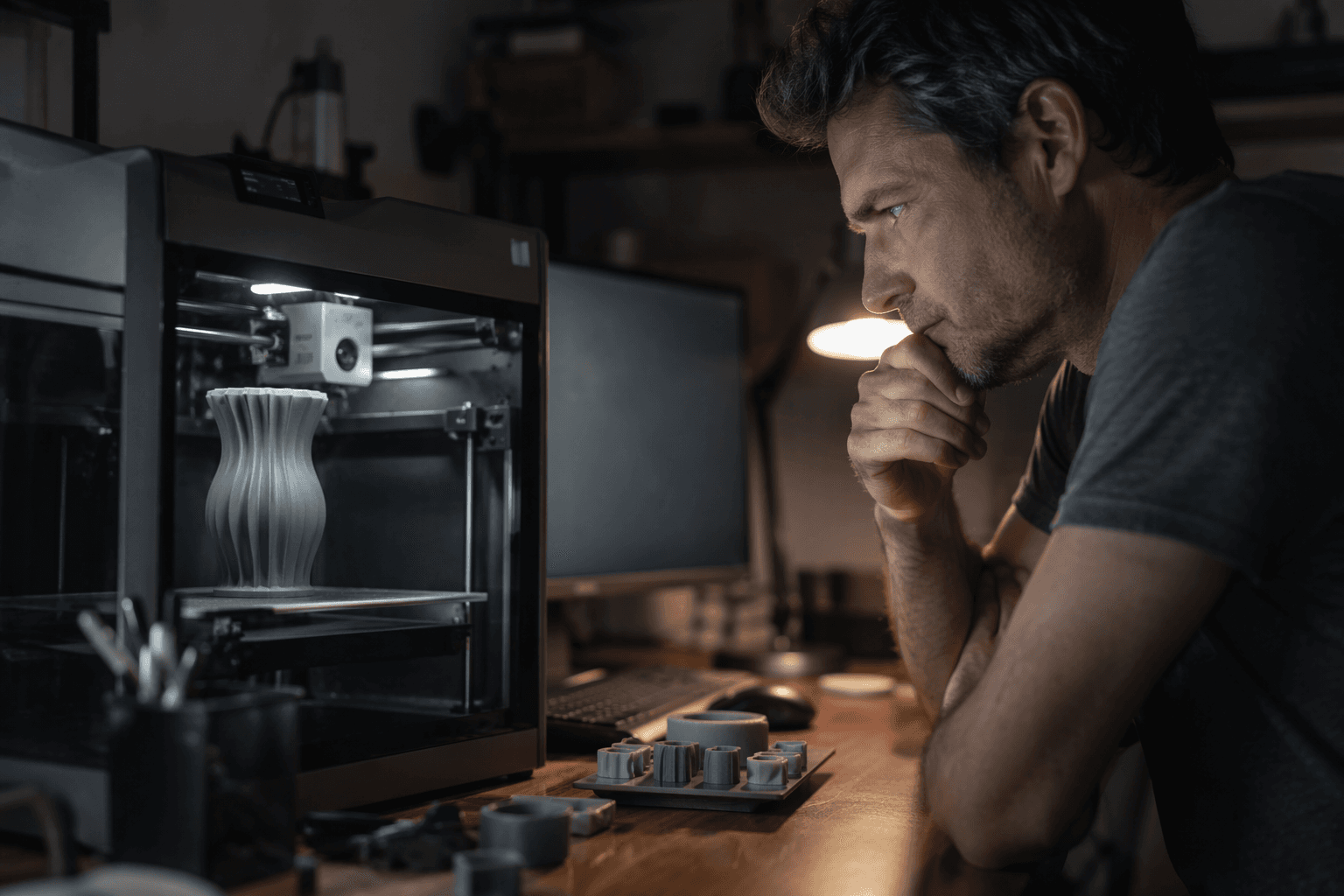
What makes the maker response different from a standard policy fight is where AB 2047 reaches. The Senate analysis says the bill would require the California Department of Justice to publish guidance and performance standards for “firearm blueprint detection algorithms” and “software control processes,” while also requiring manufacturers to submit attestations for each make and model sold or transferred in the state. It would also make it unlawful to sell or transfer a 3D printer without firearm-blocking technology or a complete attestation, and it contemplates civil action for violations.
That is why the Bambu forum thread is not just about one printer brand. If the state ends up policing file inspection inside firmware or slicers, the pressure would fall on the whole desktop workflow, from community-maintained slicer profiles to open-source forks and custom firmware. The thread framed that as a threat to surveillance limits, platform lock-in, and the freedom to run software on your own machine, but the bill text does not name open-source tools as a category to be banned. The real risk is more specific: a compliance regime broad enough to reach the software layer could make some common hobbyist tools harder to distribute, maintain, or use.
The legislative timetable shows how far the idea has already advanced. The Assembly passed AB 2047 on May 26 by a 58-19 vote with 3 abstentions, and a Senate committee approved it on June 23 by an 11-2 vote. Under the current schedule, DOJ guidance would be due by March 1, 2028, manufacturer attestations by July 1, 2028, compliant-model lists by September 1, 2028, and the sales and transfer ban would begin on March 1, 2029. For makers watching STL libraries, slicer presets, and forum-shared firmware, that is the date line now hanging over the workflow.
This article was produced by Prism’s automated news system from verified source data, official records, and press releases, then run through automated quality and moderation checks before publishing. The system is built and supervised by the people who set the standards it runs under. Read our full AI policy.
Did this article answer your question?