Newcastle University 3D prints playable replica of Roman board game
A handheld Artec 3D Spider scan turned a fragile Roman board from Vindolanda into a PLA replica visitors can handle and play at the Roman Army Museum.
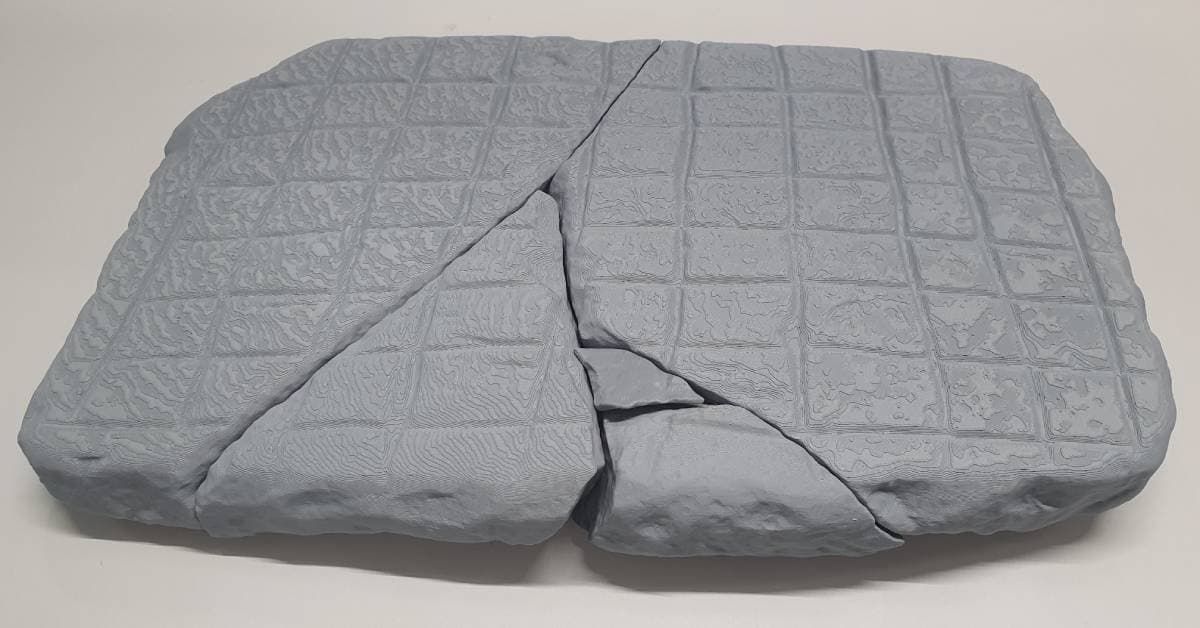
Newcastle University and the Vindolanda Charitable Trust turned a 1,700-year-old Roman game into a playable 3D-printed replica, giving visitors at the Roman Army Museum a version they can actually touch and use. The board was recreated from a five-piece stone game excavated at Vindolanda in 2019 and linked to Ludus Latrunculorum, the two-player strategy game sometimes described as the game of little brigands or soldiers.
Paul Watson, Newcastle’s Electrical and Electronic Team Leader, and Dr. Jenny Olsen, a lecturer in Mechanical Engineering, led the scanning work in the university’s Stephenson Building. The team scanned each stone piece separately with a handheld Artec 3D Spider scanner, built a detailed model from the point data, and printed the replica in PLA. That workflow kept the original artifact protected while producing a durable copy that could stand up to handling, not just viewing.
The replica also filled a gap created by the original board’s travel. The Vindolanda material was on loan to Toronto’s Bata Shoe Museum for Unearthing Vindolanda: Footwear from the Edge of the Roman Empire, which ran from May 7, 2026, to September 2027. The exhibition included more than 100 artifacts from Vindolanda, the Roman auxiliary fort and settlement just south of Hadrian’s Wall in Northumberland, and the museum said the site was first occupied around 85 CE and remained active for more than 300 years.
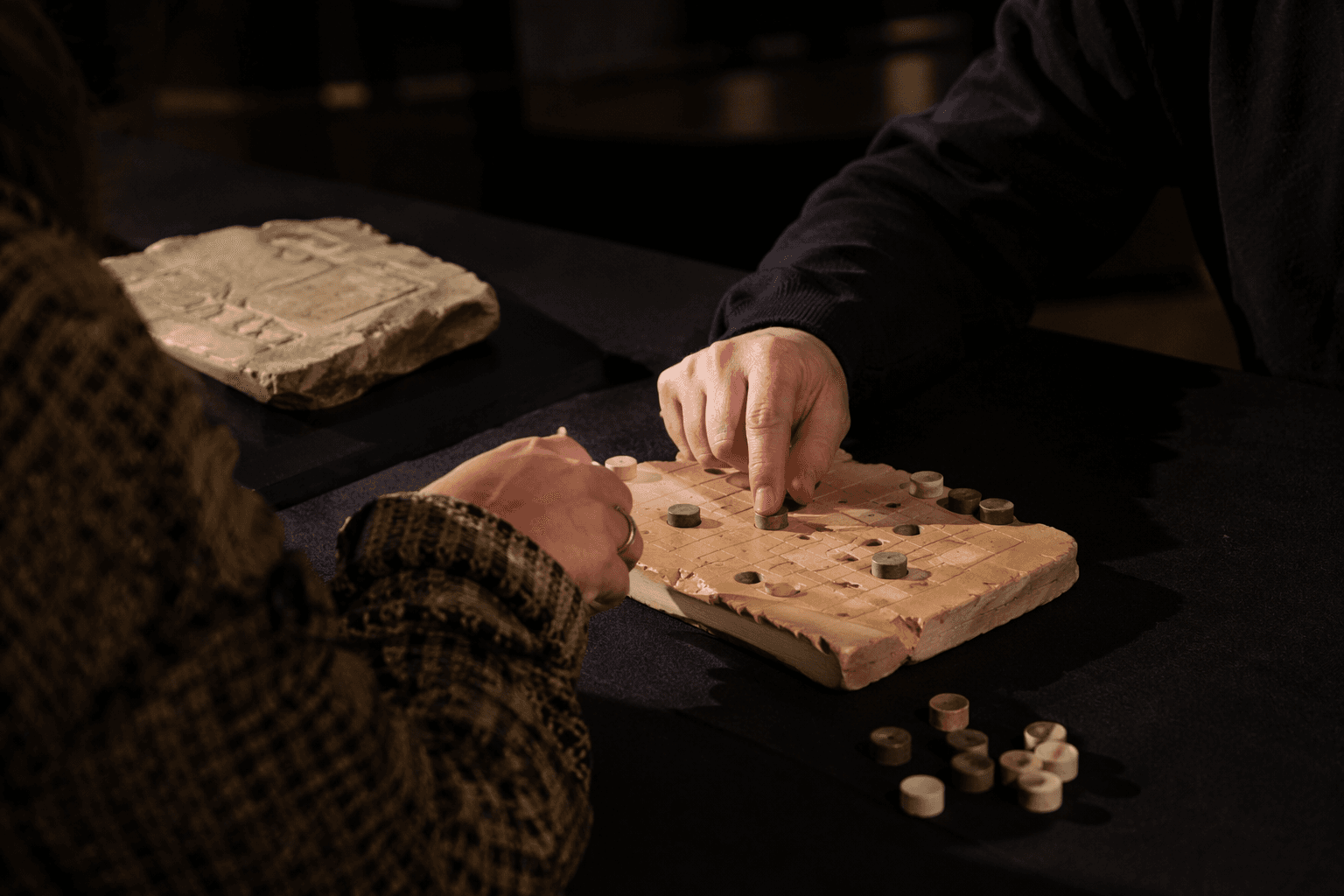
Vindolanda’s anaerobic soil preserved hundreds of leather shoes, making the collection one of the strongest windows into everyday life on the northern frontier. The board game adds another layer to that record, showing that recreation and strategy were part of Roman military and civilian life at the site as well. By putting a printable copy into circulation, Newcastle and the Vindolanda Charitable Trust shifted the object from a case-bound fragment to a hands-on teaching tool.
Sophie Westlake said it was valuable “to take part in the scanning and to see something so complex and historical recreated in a realistic way.” Newcastle said the project also helped refine its own scanning methodology and train staff for related engineering work. For anyone running a hobby printer, the lesson is straightforward: scan carefully, clean the geometry, print in a forgiving material, and turn a fragile artifact into something that can be handled, studied, and played again.
This article was produced by Prism’s automated news system from verified source data, official records, and press releases, then run through automated quality and moderation checks before publishing. The system is built and supervised by the people who set the standards it runs under. Read our full AI policy.
Did this article answer your question?