Bambu Lab launches PLA Pure as 3D printing shifts toward home safety
PLA Pure is Bambu Lab’s bid to make desktop printing feel safer in kitchens and playrooms, with five ingredients, traceable sourcing and low-emission certification.
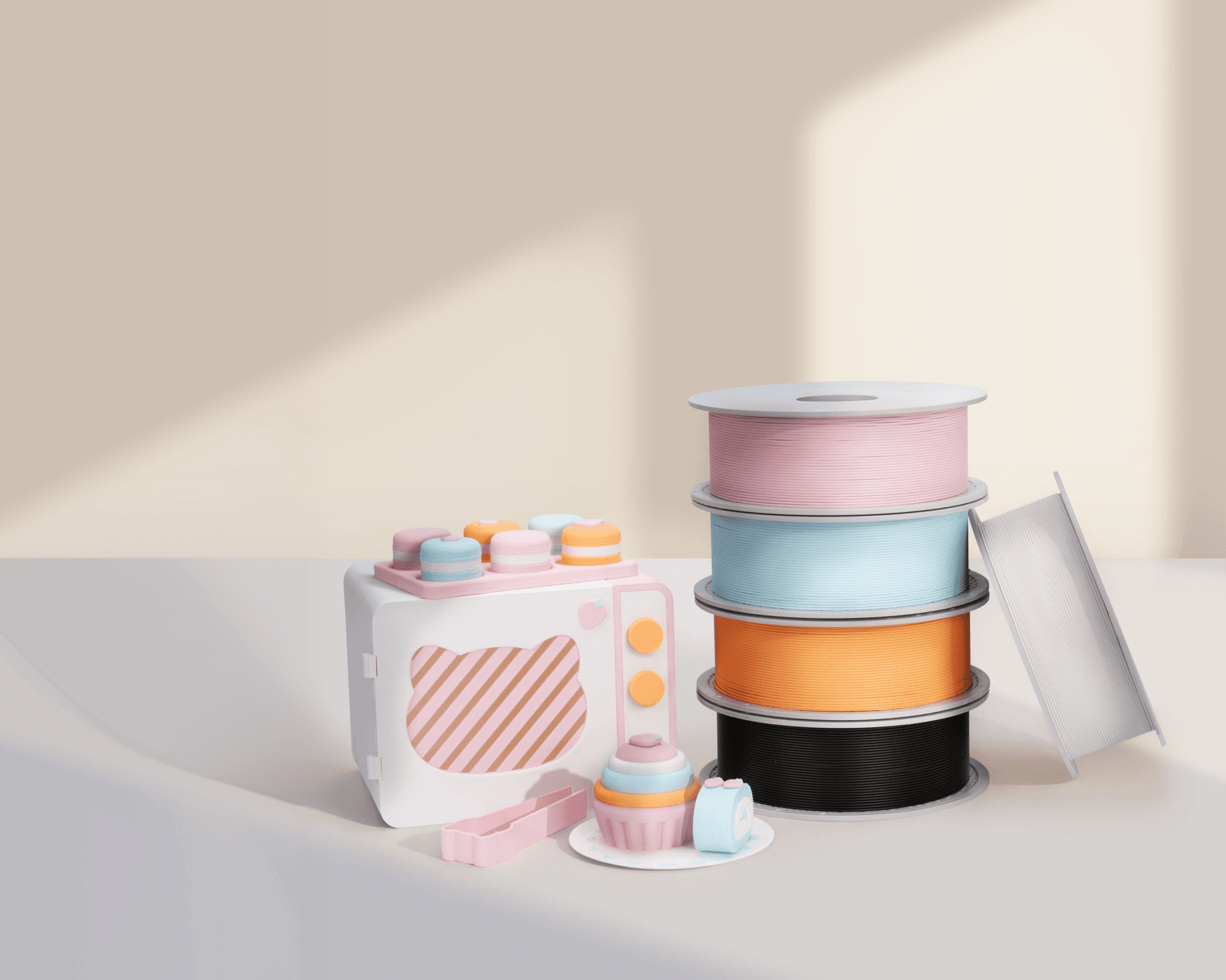
Bambu Lab’s PLA Pure is being pitched as more than another spool on the shelf. The real story is where desktop printing is living now: not just in workshops, but in kitchens, bedrooms, playrooms and other shared spaces where smell, emissions and ingredient lists matter as much as layer lines.
The filament, launched on June 19, was built around a short list of five ingredients: PLA derived from corn and sugarcane, an acrylic copolymer, color pigments, EBS and talc. That stripped-down formula is central to Bambu Lab’s pitch, along with traceability that ties the raw materials back to major suppliers rather than leaving buyers to guess what is in the spool.
That focus marks a clear shift in how filament is being sold. The familiar maker conversation still covers printability and finish, but PLA Pure leans into a different kind of reassurance: compliance, emissions and safety. Bambu Lab says the material complies with EU 10/2011, the European regulation governing plastics intended for food contact, and says it has been certified for low emissions.
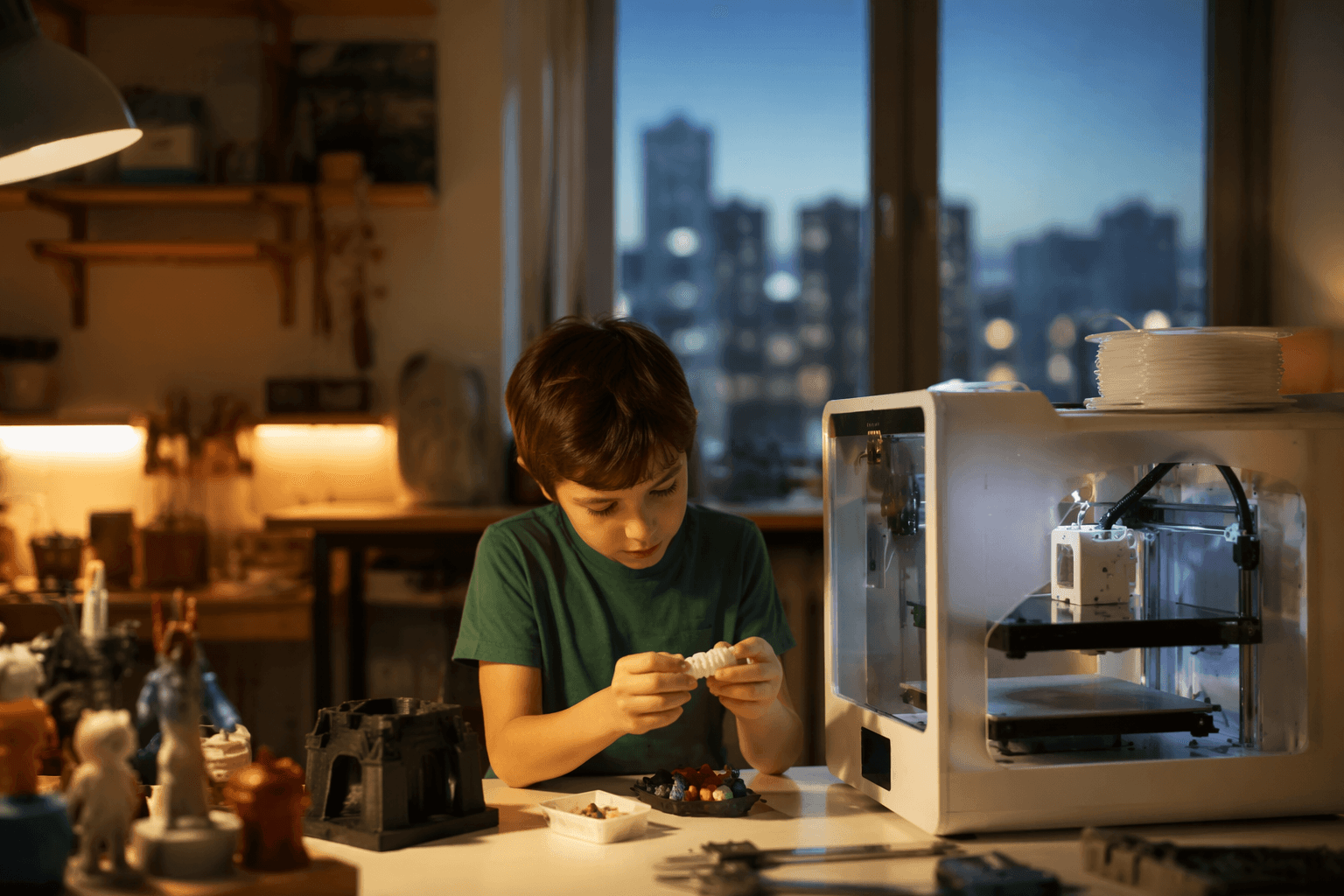
The company is also pointing to testing against European toy-safety standards, a detail that lands differently for anyone printing toys, accessories or everyday household parts around children. In that setting, the usual sales language about strength or polish feels less important than whether a finished part belongs in the same room as a child’s hands, lunch table or bedtime routine.
That is why PLA Pure reads less like a pure materials update and more like a signal that consumer 3D printing is entering a trust phase. Hobbyists still want a filament that prints well, but they are increasingly asking what comes off the spool, what goes into the air and whether the material feels appropriate for family spaces. Bambu Lab’s answer is a product framed around known ingredients and verified claims, not just performance on the plate.
For a hobby that began in garages and desks, that is a meaningful shift. PLA Pure suggests the next big frontier for desktop printing may not be faster machines or glossier parts, but a filament that can make the printer itself feel less like shop equipment and more like something that can quietly live at home.
This article was produced by Prism’s automated news system from verified source data, official records, and press releases, then run through automated quality and moderation checks before publishing. The system is built and supervised by the people who set the standards it runs under. Read our full AI policy.
Did this article answer your question?