Bambu Lab marks 4th anniversary with first discounts on P2S, H2S, H2C
Bambu Lab’s anniversary sale put first-time discounts on the P2S, H2S and H2C, while tying printers to filament, plates, and add-ons through July 15.

Bambu Lab’s 4th anniversary sale looked less like a straight printer markdown and more like a full-stack push to keep buyers inside its ecosystem. The headline draw was the first-time discounting of the P2S, H2S and H2C, a notable move because Bambu has built much of its momentum by turning each launch into a package deal of hardware, consumables and workflow.
For a first-time buyer, the best values appeared to be the lower-cost bundles around the P2S, P1S, A1 and A1 mini. Those machines were reduced as part of the sale, which makes them the clearest entry point for someone who wants to get printing fast without immediately climbing into the company’s more ambitious hardware. The sale also stretched across weeks, with flash-sale windows running through July 15, so the timing mattered almost as much as the machine choice.
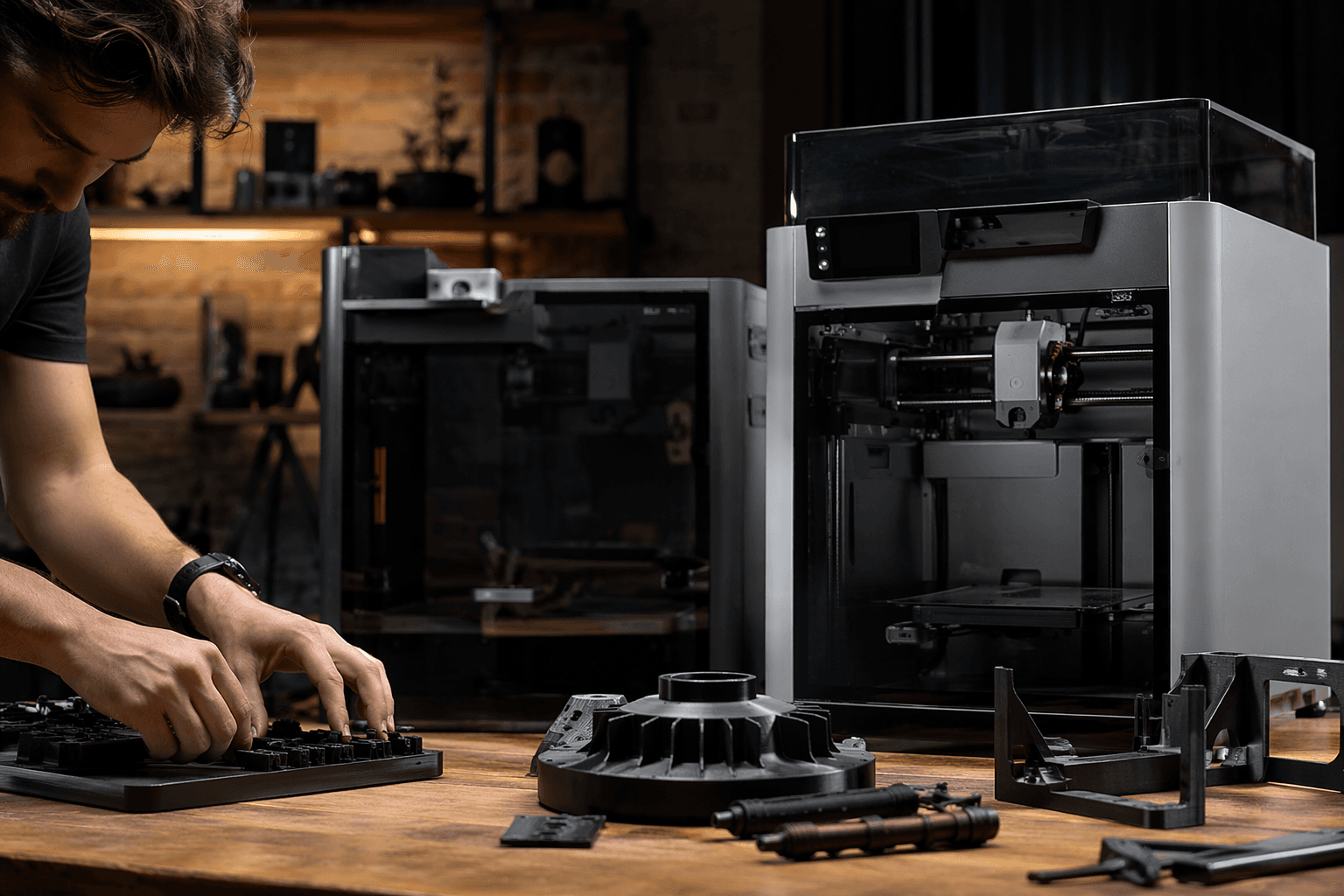
The more interesting buying decision sat higher up the range. Bambu positioned the H2C and H2D family as premium multi-material or personal-manufacturing options, and the store layered in store credits and lower introductory pricing to make those machines feel less like niche flagships and more like the next step for users already committed to the platform. That is the real story of the anniversary promotion: the discount is not just about shaving dollars off a printer, but about making the jump to more capable hardware feel like a natural upgrade path.
That same logic carried into the rest of the sale. Build plates, DIY kits, materials and Maker’s Supply items were all part of the promotion, along with modular add-ons such as blade cutting and pen plotting. For buyers already in Bambu’s orbit, those extras made the deal stronger because they lowered the cost of stocking a complete setup. For everyone else, they also made the marketing intent obvious: the company was not simply discounting machines, it was selling the idea that a printer should lead into a broader making workflow, one sale at a time.
This article was produced by Prism’s automated news system from verified source data, official records, and press releases, then run through automated quality and moderation checks before publishing. The system is built and supervised by the people who set the standards it runs under. Read our full AI policy.
Did this article answer your question?