Bambu Lab wins Shenzhen land for giant 3D printer hub
Bambu Lab’s Shenzhen land win sets up a 3-million-printer factory, a scale shift that could sharpen pricing, speed supply and tighten its ecosystem.
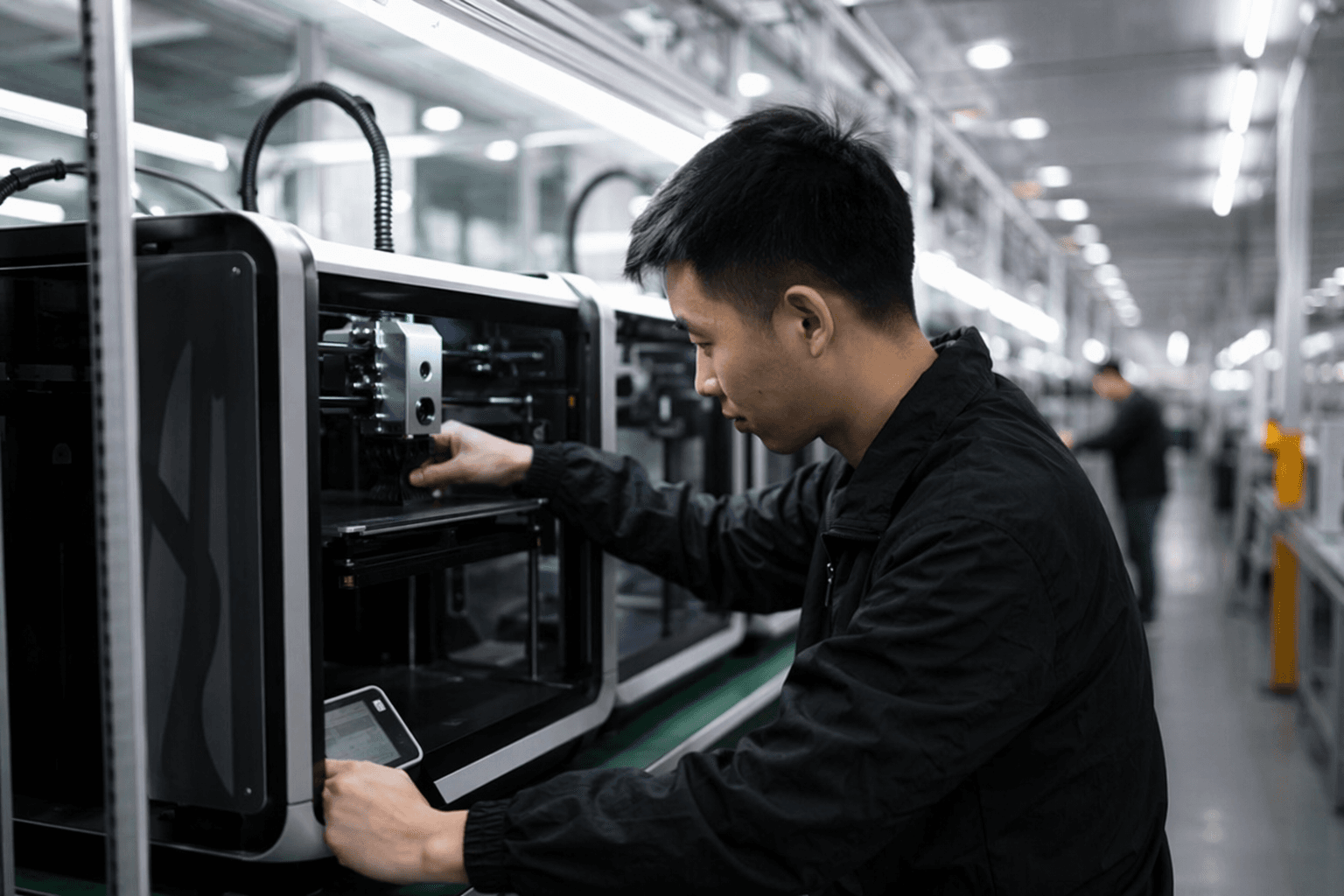
Bambu Lab’s subsidiary won the A609-0275 parcel in Shenzhen’s Guangming District for 141.2 million RMB, clearing the way for a manufacturing hub planned to turn out more than 3 million 3D printers a year. The site in Yutang Subdistrict covers 83,590.87 square meters, with 376,158 square meters of planned floor area and about 75.3% of that space reserved for production.
The land deal extends a project Guangming District had already put in motion on February 25, 2026, when the district and Shenzhen Zhuhe Technology, Bambu Lab’s affiliated company, signed a strategic cooperation framework agreement for the 3D Printing Intelligent Manufacturing Headquarters Base. By then, Guangming officials said a transitional production base was already running in Minghu Zhigu Industrial Park, giving the company a foothold before the permanent site was secured.
The scale of the plan points beyond a simple factory buildout. Guangming’s selection notice described the project as an automated 3D printer manufacturing base spanning core parts R&D, materials trial production and whole-machine assembly, with an ecosystem that ties together printers, software, materials and community. The district set an annual capacity target of at least 3 million units, a five-year output target of 225 billion RMB and an annual output target of at least 45 billion RMB after ramp-up.
For the 3D printing market, that kind of volume matters because it changes what buyers can expect at each price tier. A plant built for this output can put more pressure on rivals to match Bambu Lab’s shipping speed, accessory integration and bundle strategy, while also giving the company more room to defend aggressive pricing when demand spikes. It also strengthens the company’s control over the full stack, from core machine production to the software and material channels that keep printers in users’ hands and on the workbench.
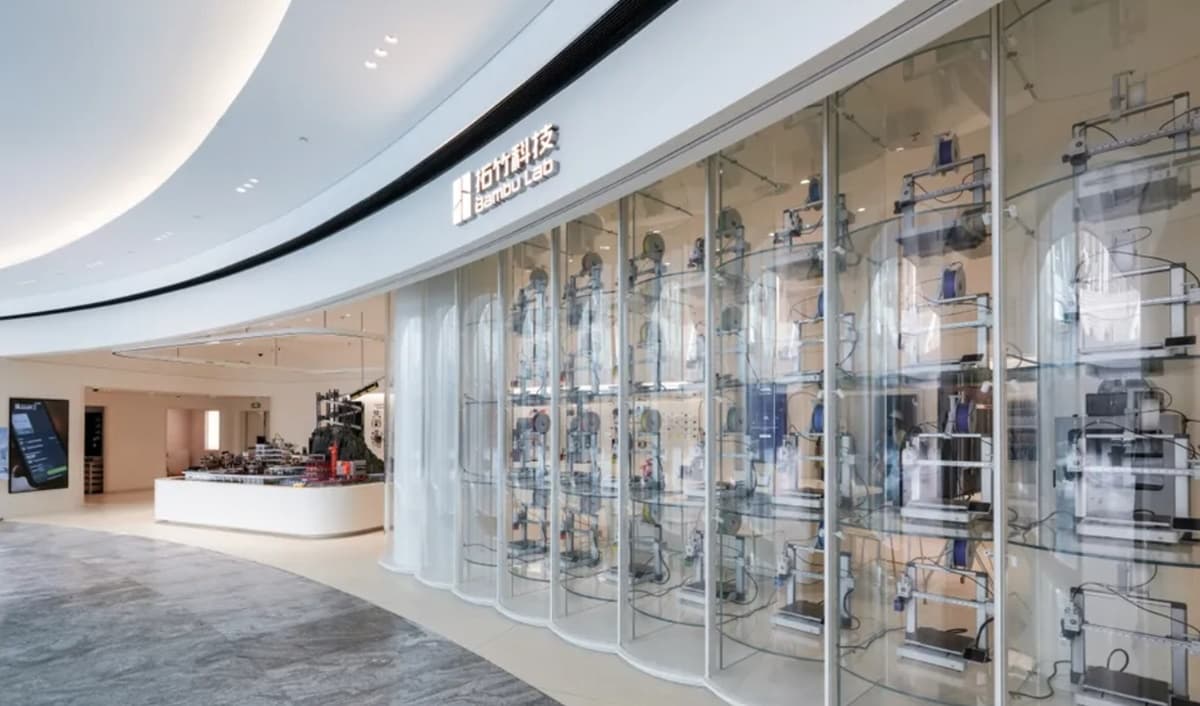
Bambu Lab’s rise has been fast by Shenzhen hardware standards. Founded in 2020 by engineers led by Ye Tao, a former DJI executive, the company said during the X1 development period that it had about 150 team members, including 120 in R&D. It opened its first Shenzhen flagship store in Nanshan in September 2025, a visible sign that the brand had already moved from online buzz to a broader consumer-tech presence.
Guangming and Shenzhen are framing the project as part of a bigger bid to build a world-class science city in the Greater Bay Area. If the current plan holds, the real story will not be the land purchase itself but the scale advantage it creates, one printer, one filament line and one accessory ecosystem at a time.
This article was produced by Prism’s automated news system from verified source data, official records, and press releases, then run through automated quality and moderation checks before publishing. The system is built and supervised by the people who set the standards it runs under. Read our full AI policy.
Did this article answer your question?