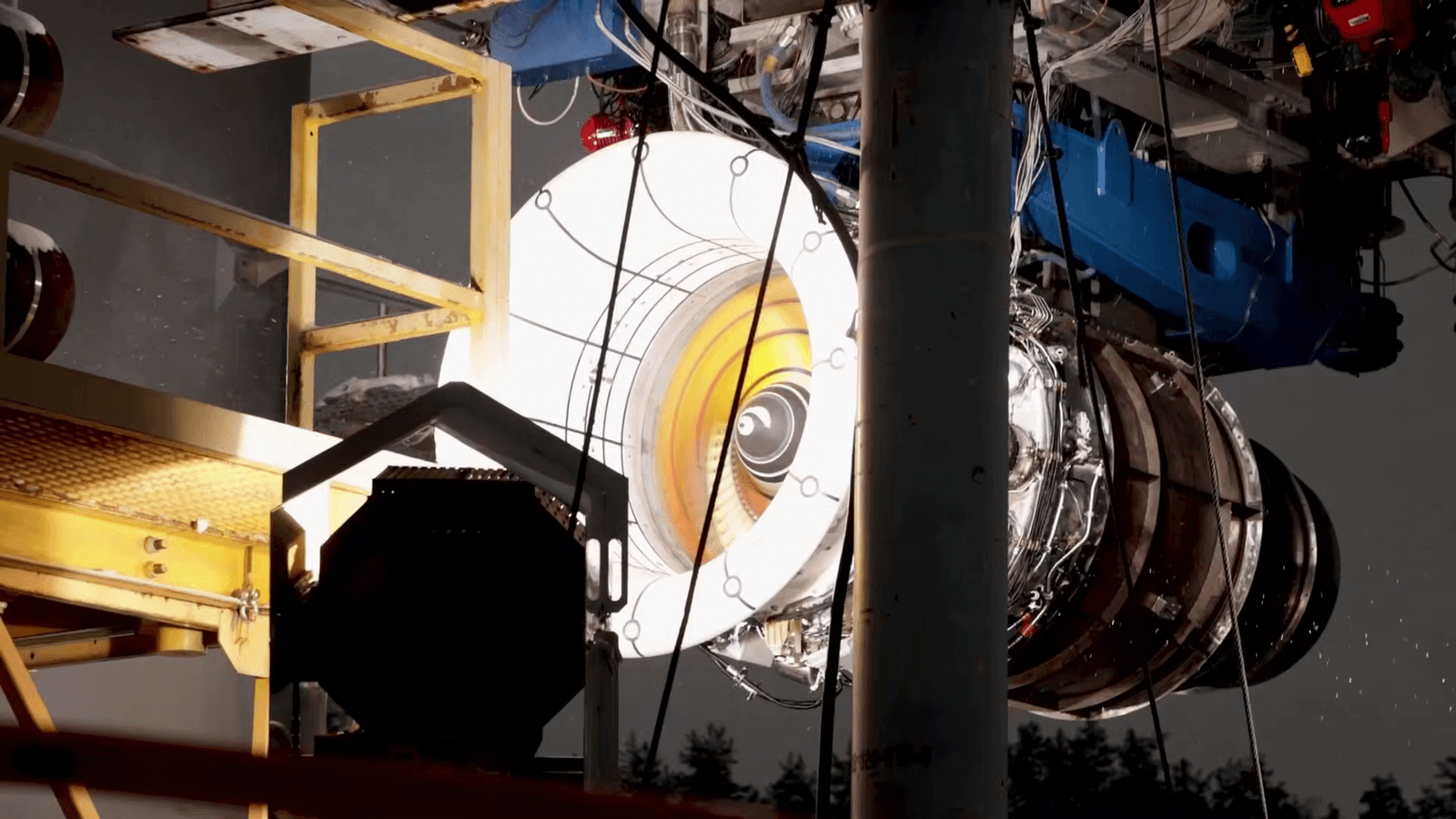
Brazilian team 3D prints cooling propeller replacement in four days
A Brazilian engineering shop rebuilt a broken cooling propeller in four days, showing how scan-to-CAD plus ABS printing can get critical machines back online fast.
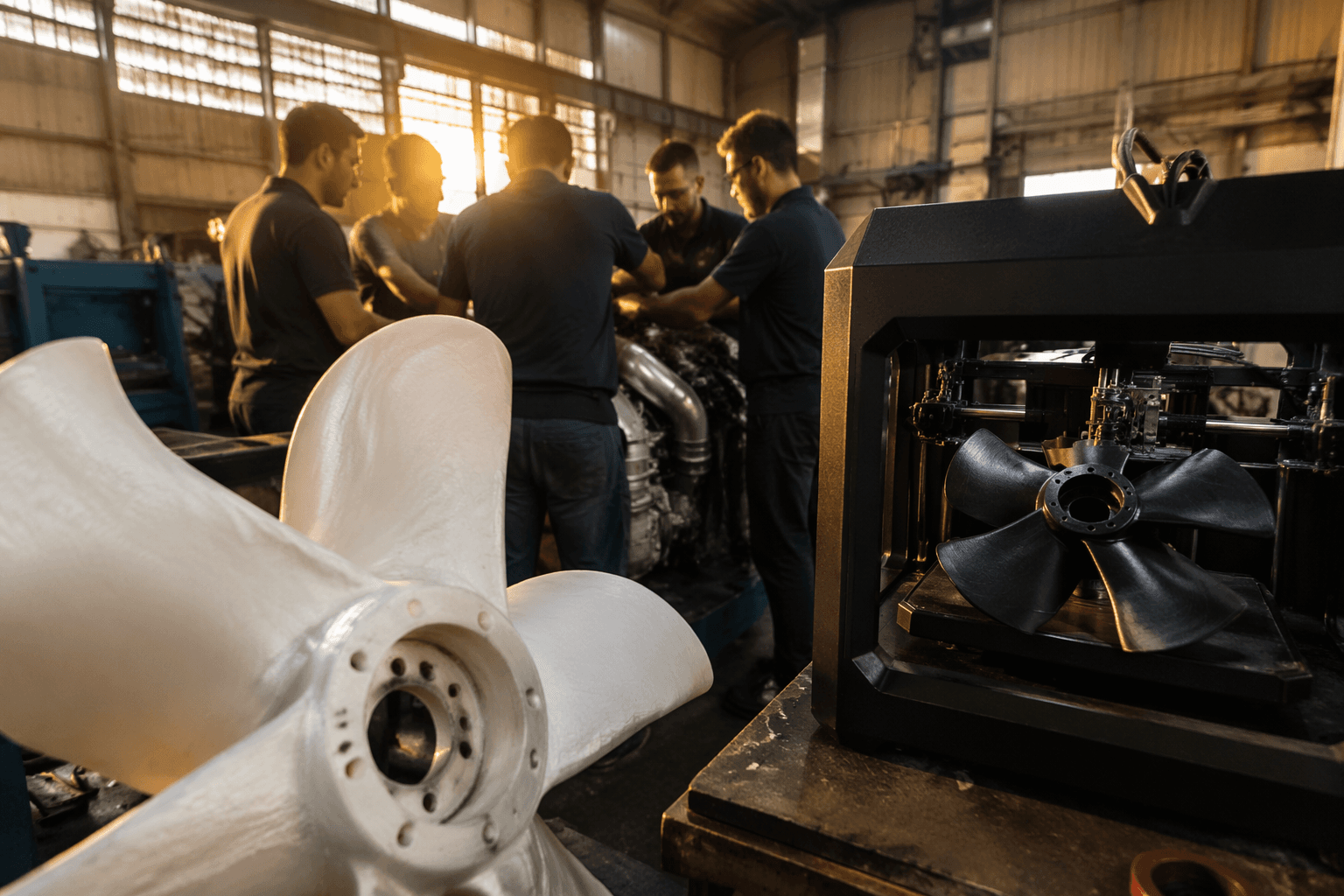
When a critical plastic part fails, the fastest fix is sometimes not a shelf order but a scan, a CAD rebuild and a print. In Brazil, that workflow turned a damaged four-blade propeller for an industrial cooling system into a replacement in just four days, keeping a machine from sitting idle while a hard-to-find part was rebuilt digitally and put back into service.
The job went through RVF3D Engineering Ltd. in Rio de Janeiro, a company founded in 2020 during the pandemic by Ricardo Freitas and Jose Ricardo Freitas. Ricardo Freitas brought more than 35 years of aviation-industry experience, while the firm started with two enclosed FDM printers and early work in CAD modeling and customized plastic car parts before moving into local machining shops, automotive workshops, plastic injection molding, oil and gas, and metal-mechanics across Petrópolis and Greater Rio de Janeiro.
The propeller itself showed why reverse engineering matters in real-world repair work. The machine’s cooling unit could not run without it, because the part was essential to cooling the oil exchanger, and the old machine was already beyond the easy parts-counter solution. Replacement propellers were no longer available on the market, and a previous patch with black silicone rubber had left the propeller unbalanced, fragile and prone to breaking in operation. That kind of failure is familiar well beyond heavy industry: once the original geometry is gone and the factory spare is unavailable, the part has to be recreated from what remains.
RVF3D collected the damaged propeller and scanned it, then rebuilt the geometry in scan-to-CAD software before printing the replacement in ABS. Ricardo Freitas later moved from Solid Edge’s basic reverse-engineering tools to QUICKSURFACE Pro as the company needed a faster, higher-quality workflow, with support from Prumo Tech, the KVS representative in Brazil. The result was not a prototype sitting on a desk, but a functional replacement built for a cooling system under pressure.

That is the part hobbyists and repair builders will recognize immediately. The same scan, model, print, install loop can rescue RC hardware, appliance clips, workshop tools or a missing cosplay detail when the original part is damaged or unavailable. Brazil’s growing additive manufacturing market, described as the fastest-growing in Latin America, is helping make that kind of repair path more practical, and this propeller job showed the payoff plainly: digital reconstruction can turn a broken component into a working replacement before a machine goes cold.
This article was produced by Prism’s automated news system from verified source data, official records, and press releases, then run through automated quality and moderation checks before publishing. The system is built and supervised by the people who set the standards it runs under. Read our full AI policy.
Did this article answer your question?