California 3D printer blocking bill is significantly weakened
California's printer-blocking bill has been pared back after pushback from David Tobin, the California Handgun Association and the ACLU. The rollback narrows the threat of state-mandated firmware and software lock-in for desktop machines.
California hobbyists just got a meaningful reprieve from a bill that, in its original form, would have pushed state-approved blocking software into consumer 3D printers and punished anyone who tried to remove it. AB 2047, formally titled “Firearms: 3-dimensional printing blocking technology,” has been significantly weakened after pressure from David Tobin, the California Handgun Association and the American Civil Liberties Union.
The stakes were unusually concrete for printer owners. Under the bill as introduced on February 17, 2026, the California Department of Justice or another state agency would have had to investigate firearm blueprint-detection software and publish performance standards by July 1, 2027. The state would then have been set to certify algorithms by January 1, 2028, force manufacturers to file attestations for each make and model by July 1, 2028, and publish a public list of compliant printer models by September 1, 2028. It would also have made it a crime to knowingly disable, deactivate, uninstall or otherwise circumvent the mandated blocking technology.
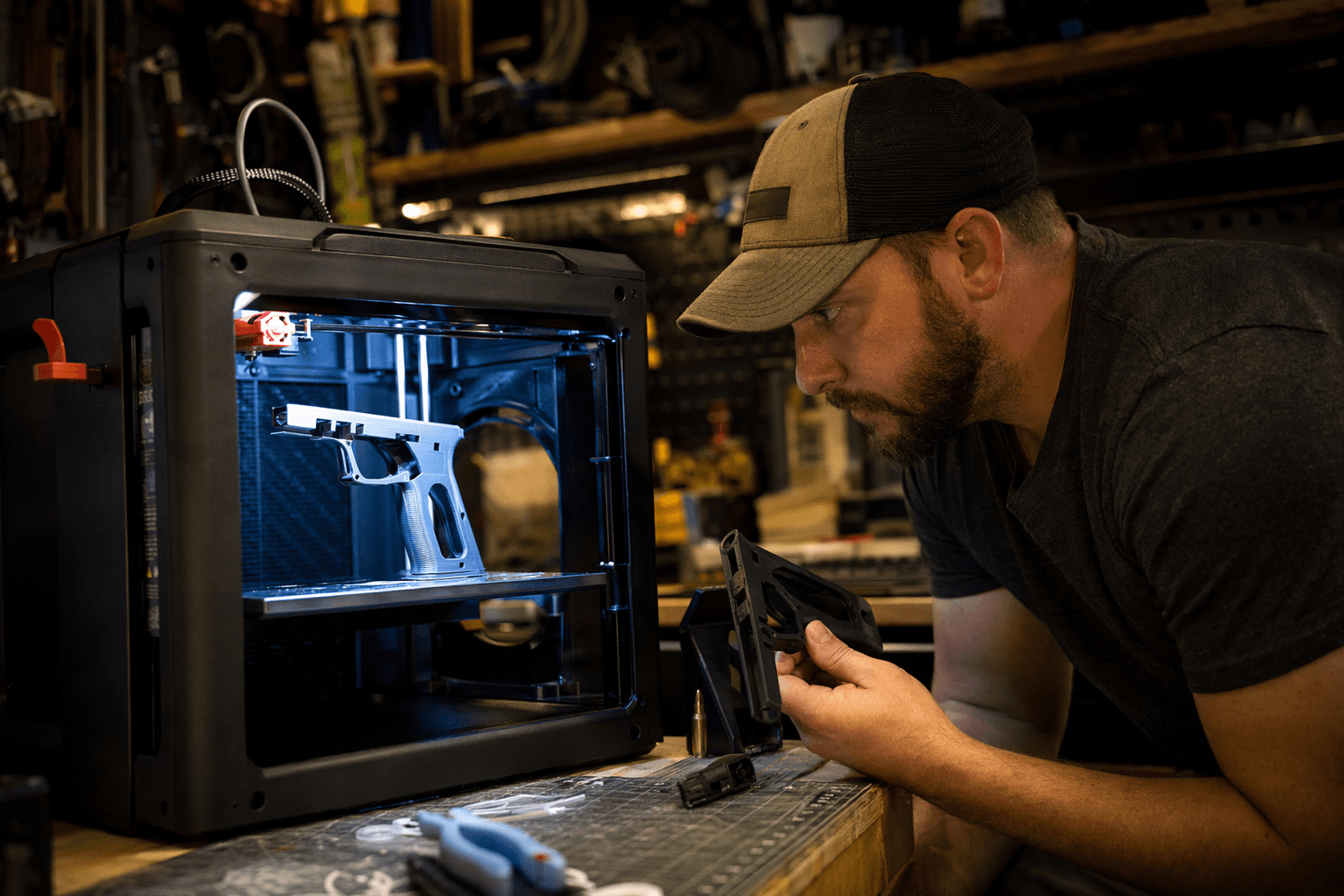
That is why the rollback matters to the desktop printing crowd. The bill’s first draft would have given California a direct lever over what software shipped with consumer machines and what workflows users could legally maintain on their own printers. The Electronic Frontier Foundation called the proposal “censorware” and warned that it could hurt open-source firmware, consumer choice, privacy and innovation. In plain terms, the fight was never just about firearms. It was about whether a general-purpose printer could be forced to accept a state-mandated software layer that users could not freely remove.
Assemblymember Rebecca Bauer-Kahan said the bill was intended to keep 3D printing from becoming a pipeline for untraceable weapons. The measure was still moving through the California Legislature as of April 15, when it had passed committee by a 9-3 vote and been re-referred to the Assembly Appropriations Committee. California is one of 16 states with ghost-gun laws on the books, and the U.S. Supreme Court upheld federal ghost-gun regulations the year before this bill surfaced, but critics argued AB 2047 went beyond firearm rules and aimed at the printer itself.
Washington and New York were also weighing similar ideas, which made California’s retreat more than a local procedural twist. For now, the bill’s weaker shape pulls back the immediate threat of forced firmware-style controls on consumer machines, and that leaves open-use desktop 3D printing in a much better position than AB 2047’s first draft ever would have allowed.
This article was produced by Prism’s automated news system from verified source data, official records, and press releases, then run through automated quality and moderation checks before publishing. The system is built and supervised by the people who set the standards it runs under. Read our full AI policy.
Did this article answer your question?