China’s 3D printing boom is spawning micro-manufacturers
China’s printer boom is now feeding micro-manufacturers, turning desktop 3D printers into a faster path from design to small-batch production.
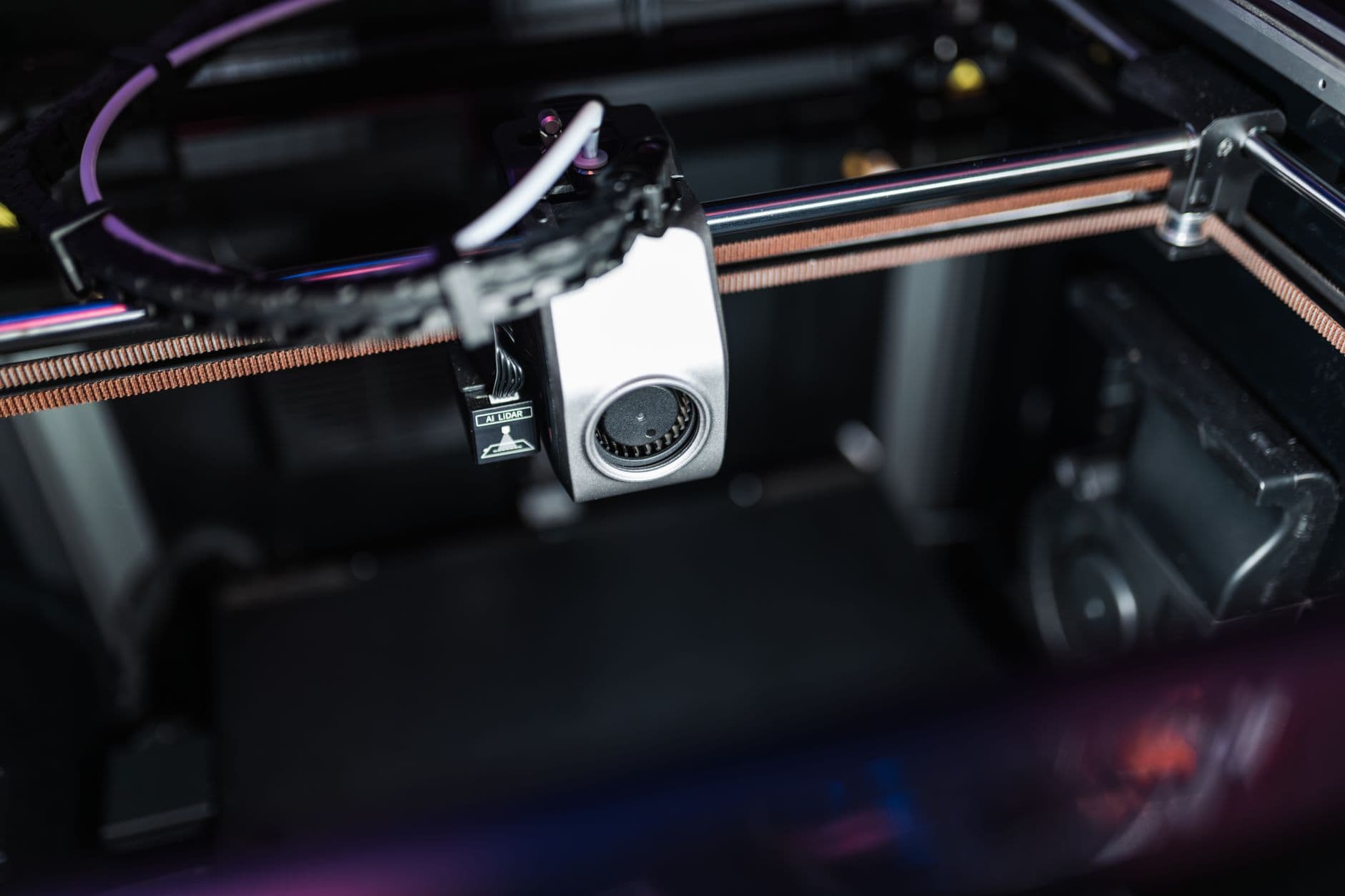
The biggest shift in China’s 3D printing scene is not just how many printers it ships. It is how quickly those machines are being turned into real production tools, creating a new layer of micro-manufacturers that sit between the hobby bench and full-scale industry.
That matters far beyond China’s borders. The same ecosystem that keeps desktop printers, filament, resins, and accessories flowing for home users is also lowering the barrier for small businesses to move from prototype to product, and that is putting fresh pressure on independent sellers, Etsy-style shops, and small print farms everywhere.
A consumer market that now feeds production
China has spent years cutting its dependence on foreign technology, and additive manufacturing has become one of the clearest places to see that effort pay off. In polymer 3D printing, the country is already a major domestic force, with local capability strong enough to support both consumer demand and industrial use. The article’s larger point is that this is no longer just a story about imported machines entering the market, but about a homegrown ecosystem that can design, build, and scale around them.
That ecosystem is powerful because it connects the front end and back end of the market. The printer you buy for your workbench is part of the same industrial fabric that lets smaller firms source parts, materials, and support locally, then turn that infrastructure into output. As those lines blur, consumer sales stop being only a retail story and start becoming a manufacturing story.
What a micro-manufacturer actually looks like
The phrase “new class of micro-manufacturers” is the heart of the argument. These are not simply people selling printers; they are businesses using additive manufacturing to produce custom parts, short-run products, and vertically integrated brands. The point is scale at a different level, where a small team can move quickly because the machine, the workflow, and the market are all close together.
That changes how product ideas get tested. A design can move from a desktop printer into small-batch sales without passing through the long, expensive pipeline that used to separate makers from manufacturers. For hobbyists who have watched desktop printing evolve for years, this is the real inflection point: the machine on the desk is increasingly the first stage of a production business, not the end of the chain.
Why this puts pressure on independent sellers
For makers and side-hustle sellers outside China, the competitive pressure is obvious. When a dense domestic ecosystem can spin up production faster, source materials more efficiently, and iterate hardware more aggressively, it can push prices down and compress the time it takes to release new features. That does not just affect machine makers; it affects anyone trying to sell printed goods in a crowded online marketplace.

The result is a faster feature cycle across the hobby space. New printer architectures, newer materials, and more refined production workflows become easier to access, which is good for users but tougher for smaller sellers who rely on slower-moving competition. In practical terms, the bar rises: your shop is no longer competing only with other hobbyists, but with miniature production businesses built on the same technology.
Polymer leads, and metal is following the same path
The article treats polymer additive manufacturing as the clearest proof point, but it also suggests that metal AM is moving in the same direction. That matters because it points to something broader than a single product category or one hot segment of the market. If metal follows polymer’s trajectory, then the shift is not confined to consumer goods or tabletop parts, but extends into more demanding industrial applications.
That broader movement is what makes the Chinese case so consequential. It shows additive manufacturing maturing from a maker technology into a scaled manufacturing platform, one that can support both experimentation and production. For the global 3D printing community, that means the next wave of innovation may come from companies that no longer think of printers as the product itself, but as the engine behind everything they ship.
What this signals for makers elsewhere
For anyone printing at home, the takeaway is not that China’s market is simply bigger. It is that the infrastructure around 3D printing is becoming good enough to support an entire ladder of growth, from desktop prototypes to local production businesses. That ladder is what makes the market feel so dynamic, because each rung feeds the next.
It also explains why the consumer side and the micro-manufacturer side keep reinforcing each other. Cheap printers, abundant materials, and faster hardware iteration make the hobby market more accessible, while the rise of production-minded small firms makes the whole ecosystem more competitive and more ambitious. The result is a 3D printing scene that is no longer defined only by who can buy a machine, but by who can turn it into output.
China’s boom is revealing where the hobby market is headed next. The desk-sized printer is still the entry point, but the real story is how quickly that same machine can become the foundation of a small manufacturing business, and how much that changes the game for everyone trying to sell, ship, and scale.
This article was produced by Prism’s automated news system from verified source data, official records, and press releases, then run through automated quality and moderation checks before publishing. The system is built and supervised by the people who set the standards it runs under. Read our full AI policy.
Did this article answer your question?