China’s 3D printing equipment output surges 54% as sector matures
China’s 3D printer output jumped 54%, and that scale-up could soon show up as cheaper parts, faster feature rollouts, and tougher competition for desktop brands.
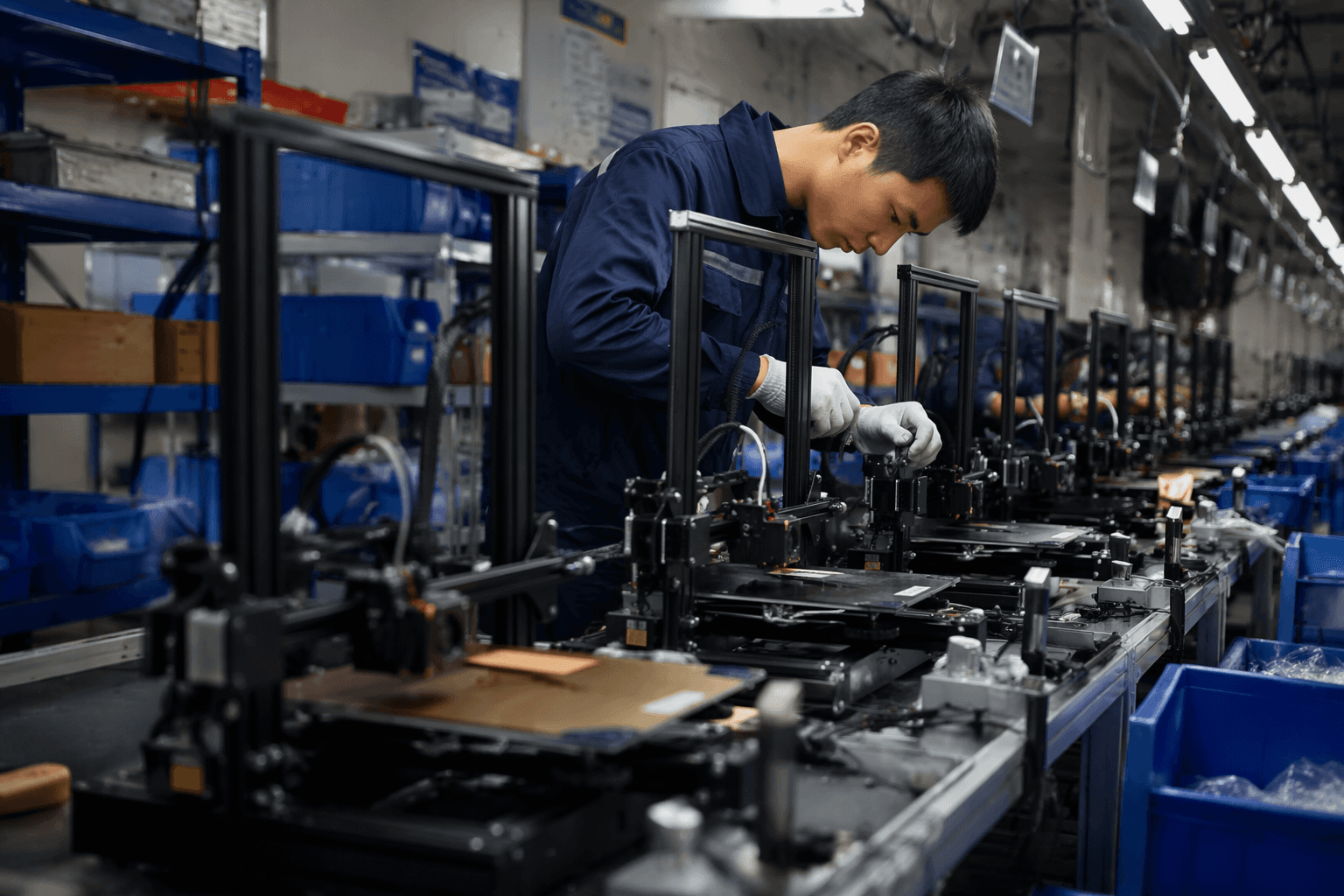
A stronger Chinese 3D-printing supply chain is starting to matter far beyond factory floors. The latest official data showed production of 3D printing equipment up 54.0% year on year in the first quarter of 2026, building on 43.1% growth in the first half of 2025 and 25.4% growth in the first three quarters of 2024. That steady climb points to a market that is no longer just chasing headlines, but building the kind of manufacturing base that can pressure desktop printer prices, widen parts availability, and accelerate feature rollouts that hobby users actually notice.
That matters because China is now explicitly treating additive manufacturing as part of its next wave of consumer and industrial growth. In March 2025, the central government said it would accelerate the development and application of new technologies and products including additive manufacturing, better known as 3D printing, to help create new high-growth consumption sectors. It is a policy mix that sits alongside the broader push for manufacturing digitization and closer sci-tech and industrial integration, the kind of backdrop that tends to favor faster iteration in motion systems, electronics, hotends, resins, and the other components that shape everything from an entry-level FDM machine to a production-grade platform.
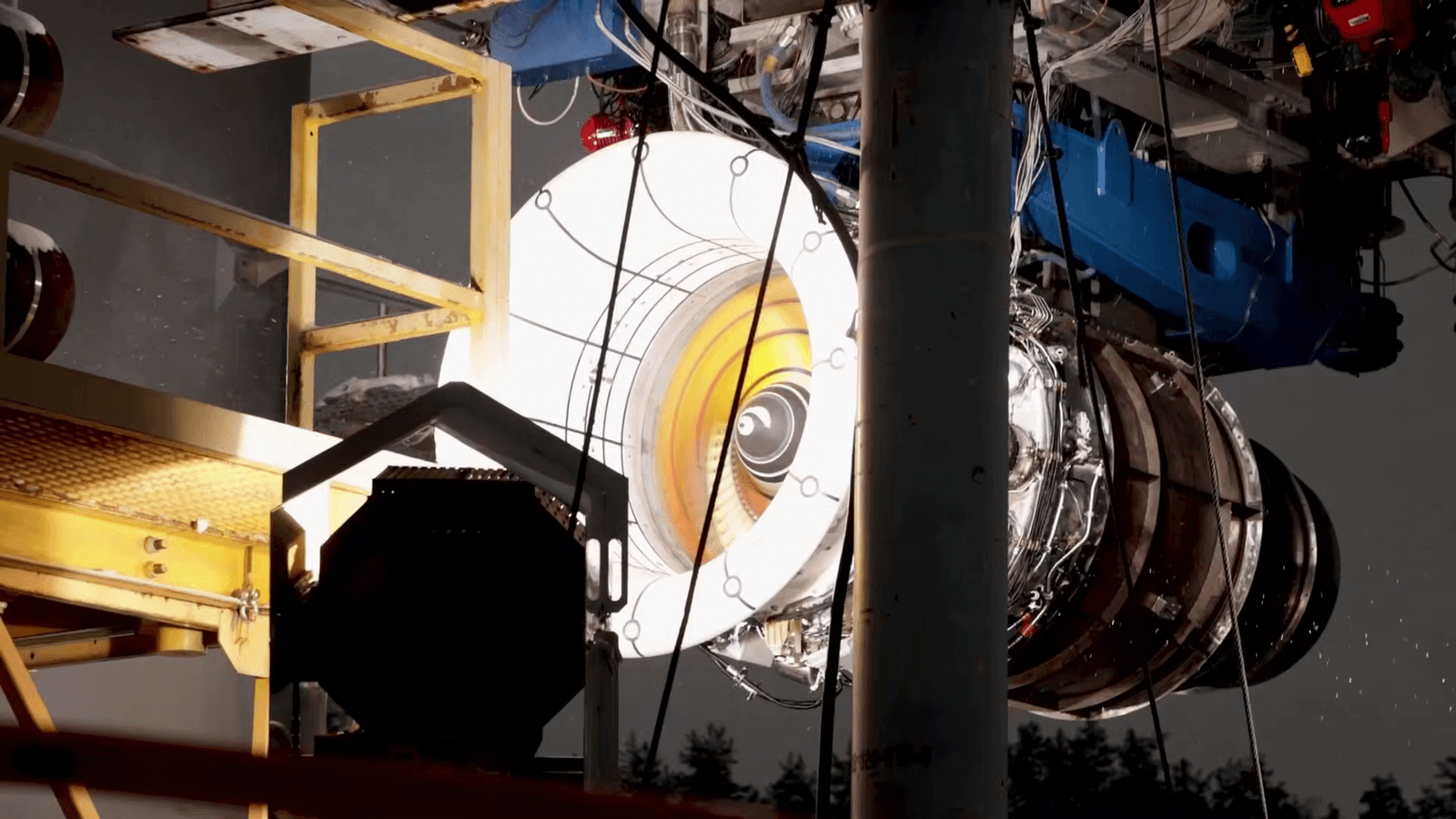
The industrial end of the market is already giving a preview of where that momentum is landing. TCT Asia 2025 opened in Shanghai on March 17, 2025 as a three-day event focused on industrial 3D printing and additive manufacturing, and one of the standout displays was a 3D-printed component of a fuel storage tank for a carrier rocket. State media has also highlighted uses in aerospace, medical devices, automotive, and consumer applications, a spread that shows how far the technology has moved from show-floor novelty to tooling, prototyping, and end-use parts across several demanding sectors.

For home users, the practical effect is likely to come through competition and supply, not policy speeches. Stratasys has said China’s automotive, medical, and service bureau markets still offer vast potential for industrial-grade additive manufacturing, which means more pressure on component makers, more aggressive pricing in neighboring categories, and more incentive for brands to push out better calibration, multi-material support, and high-throughput upgrades sooner. When a market is producing this much equipment this fast, the ripple reaches the workbench: fewer bottlenecks, more options, and a desktop scene that has to keep moving to stay interesting.
This article was produced by Prism’s automated news system from verified source data, official records, and press releases, then run through automated quality and moderation checks before publishing. The system is built and supervised by the people who set the standards it runs under. Read our full AI policy.
Did this article answer your question?