Chuck Hull's SLA invention shaped modern resin 3D printing
Chuck Hull’s 1986 patent turned liquid resin into the detail-first branch of 3D printing, and the same workflow still shapes today’s desktop tradeoffs.
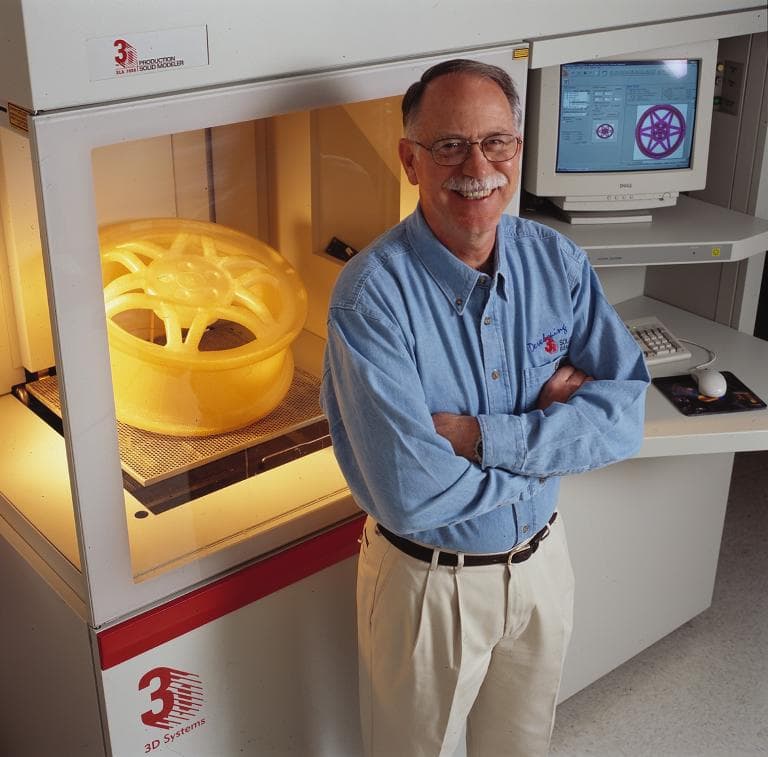
On March 11, 1986, the U.S. Patent Office issued U.S. Patent No. 4,575,330 for stereolithography, the process that selectively cures liquid photopolymer resin layer by layer with light. That single idea gave hobbyists the resin-printing workflow they know now, from vat to build platform to UV cure, and it also set up the tradeoff that still defines the category: finer detail and smoother surfaces, with more handling, washing, and safety steps than filament printing.
The breakthrough that made resin printing possible
Hull was 3D Systems’ co-founder and chief technology officer, and 3D Systems credits his curiosity about product design and manufacturing with helping give birth to 3D printing, 3D Systems, and the additive manufacturing industry. 3D Systems was founded in 1986, the same year the patent issued, and in 1988 it produced the SLA-1, the first commercial SLA printer.
The National Inventors Hall of Fame describes stereolithography as the first commercial rapid prototyping technology commonly known as 3D printing. Early on, the process lived in research and development labs and tool rooms, where speed, iteration, and surface quality matter more than novelty. Patent records and later patents cited in Google Patents treat Hull’s 1986 stereolithography patent as the foundation for later refinements.
How SLA works at the bench
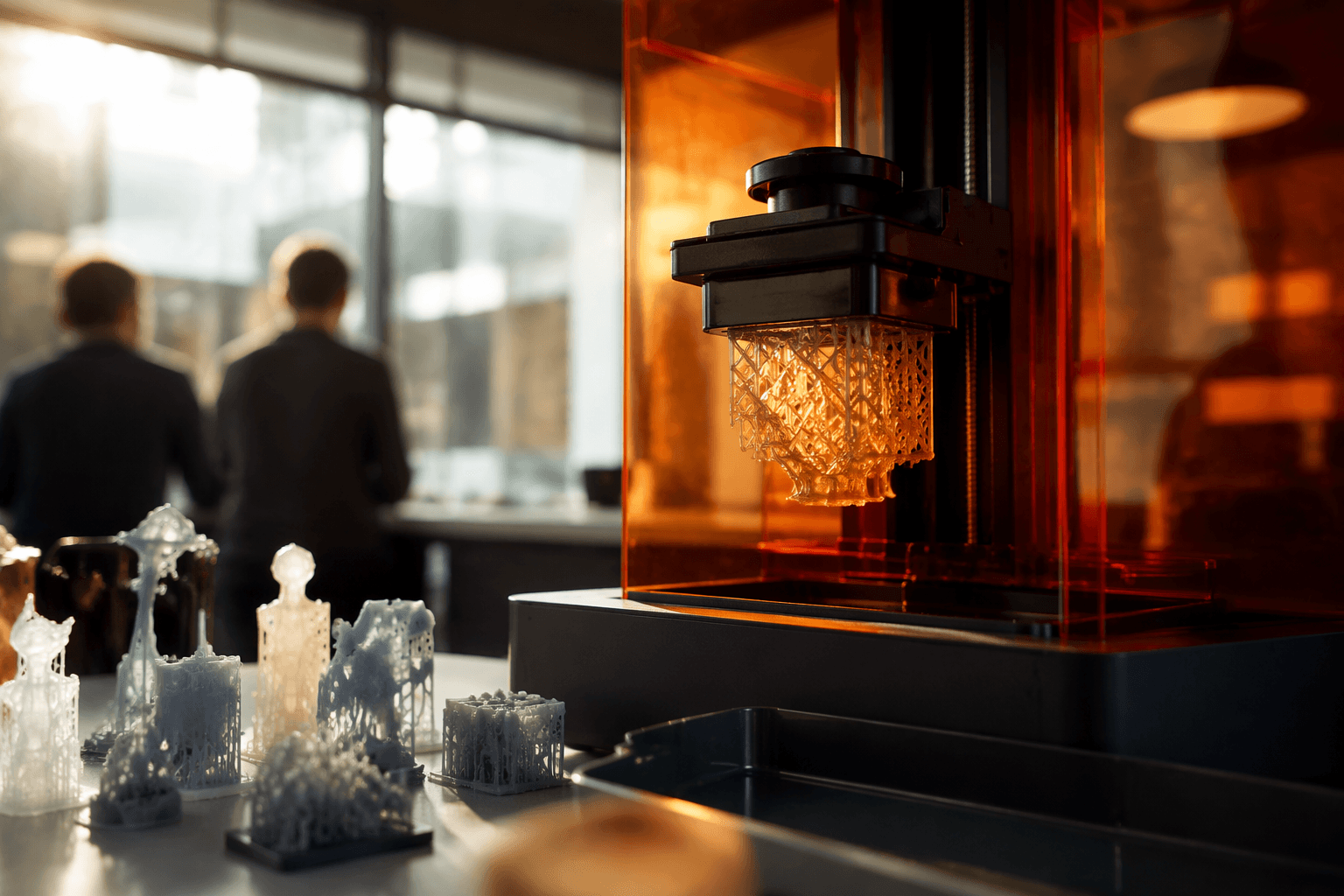
Stereolithography solved a simple problem in a very elegant way: instead of carving parts away from a solid block, it built them from liquid resin, one cured layer at a time. A light source hits the resin where a slice should solidify, the build platform moves, and the next layer follows until the part is complete. The basic mechanics have stayed recognizable across generations of machines.
That workflow is also why resin printing has a different personality from filament printing. It is less about pushing melted plastic through a nozzle and more about controlling exposure, geometry, and chemistry inside a vat. For hobbyists, the payoff is obvious the first time a miniature face, a gear tooth, or a dental model comes out with crisp edges and a smoother finish than most FDM prints can manage.
A resin setup usually revolves around the same core pieces:
- a vat of liquid photopolymer resin
- a build platform that lifts the part out of the vat
- layer exposure that cures each cross-section
- support structures that hold overhangs and delicate features
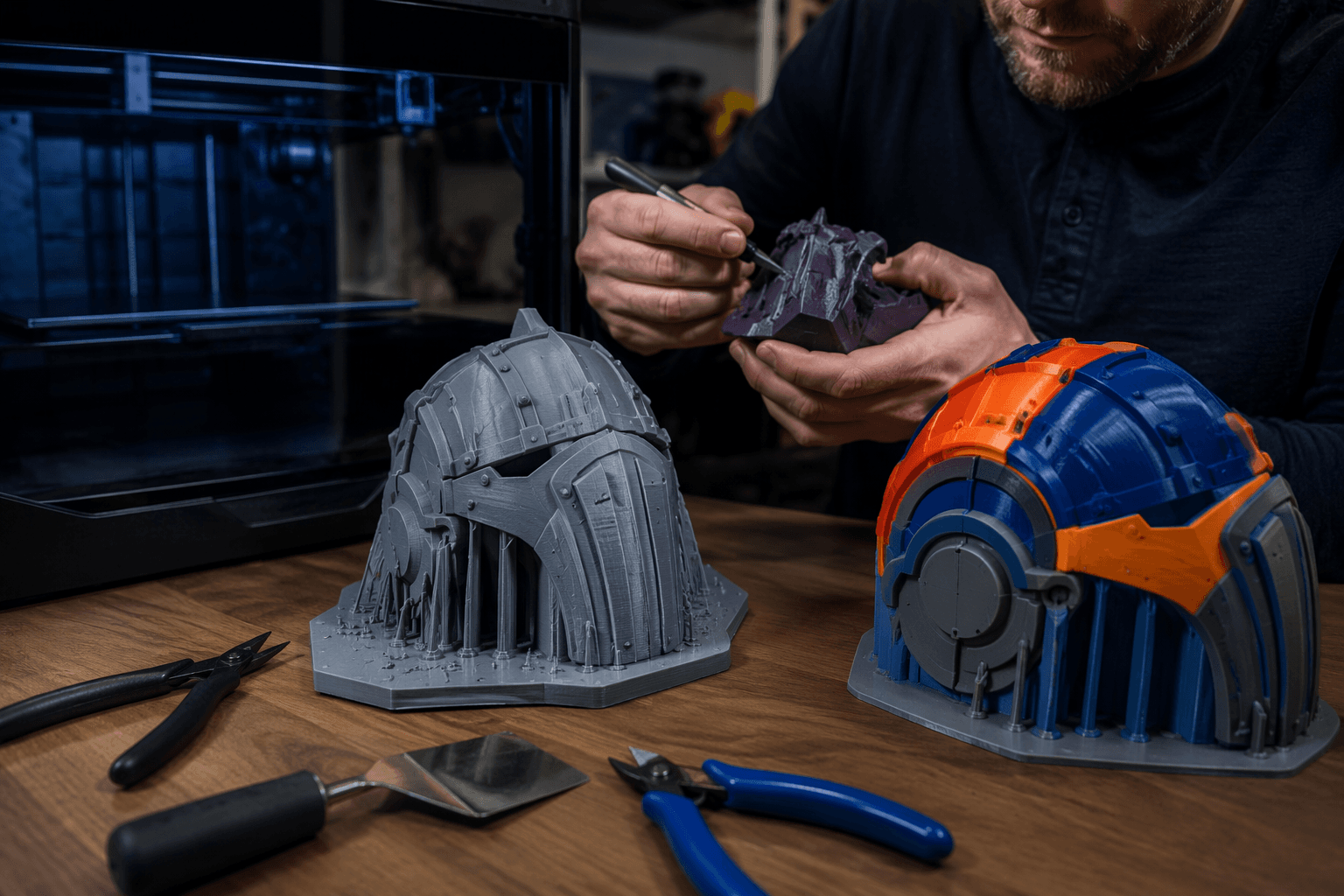
- post-processing, including washing and UV curing
Each of those steps has a user consequence. The vat and resin bring detail, but also spills and cleanup. Supports make complicated shapes possible, but leave contact points to remove later. Post-processing gives you a finished part, but it also adds time on the bench.
Why makers still say “SLA” when they mean resin printing
In maker circles, “SLA” often gets used as shorthand for resin printing in general, even though the vat-based family also includes DLP, MSLA, and LCD-based machines. Formlabs separates those technologies by how they expose the resin, but the shared foundation is the same: photopolymer in a vat, cured layer by layer into a solid object. That is why a beginner shopping for a resin printer will hear one big category name and then a smaller set of technical distinctions inside it.
The distinction affects how you compare printers and consumables. The printer’s light engine, exposure method, and panel design can change speed, detail behavior, and maintenance, even when the workflow looks familiar from the outside. If you are trying to understand why two machines both produce “SLA-quality” parts but behave differently on the desk, the difference often comes down to the light engine, exposure method, and panel design.
What changed for hobbyists, and what still costs you time
The hobby became practical when resin printing escaped industrial and lab settings and landed on desktops at a scale makers could buy, run, and learn from. The reward is still the same one that made the process important in the first place: sharp detail, smooth surfaces, and the ability to produce parts that look finished straight off the machine in a way that rough filament layers often cannot match. Resin has become the default choice for miniatures, jewelry prototypes, dental models, and highly detailed functional parts.
The tradeoffs are equally consistent, and they are the ones that keep resin printing from being a casual plug-and-play habit for everyone. You are handling liquid resin, cleaning uncured residue, and planning for washing and UV curing after the print finishes. Add ventilation and gloves to that list and the hobby starts to look less like a single machine purchase and more like a small workflow.
From Hull’s patent to the modern desktop printer
The record shows a patent, a commercial printer in 1988, early use in labs and tool rooms, and then the long migration into hobbyist hands. On June 6, 2025, the National Inventors Hall of Fame said Hull understood in 1986 that it would take years for the technology to have such a wide impact.
This article was produced by Prism’s automated news system from verified source data, official records, and press releases, then run through automated quality and moderation checks before publishing. The system is built and supervised by the people who set the standards it runs under. Read our full AI policy.
Did this article answer your question?