CU Anschutz explores multimaterial 3D printing for faster dentures
CU Anschutz is pushing dentures toward a single-build, multimaterial print that could cut turnaround to hours and add antimicrobial protection.
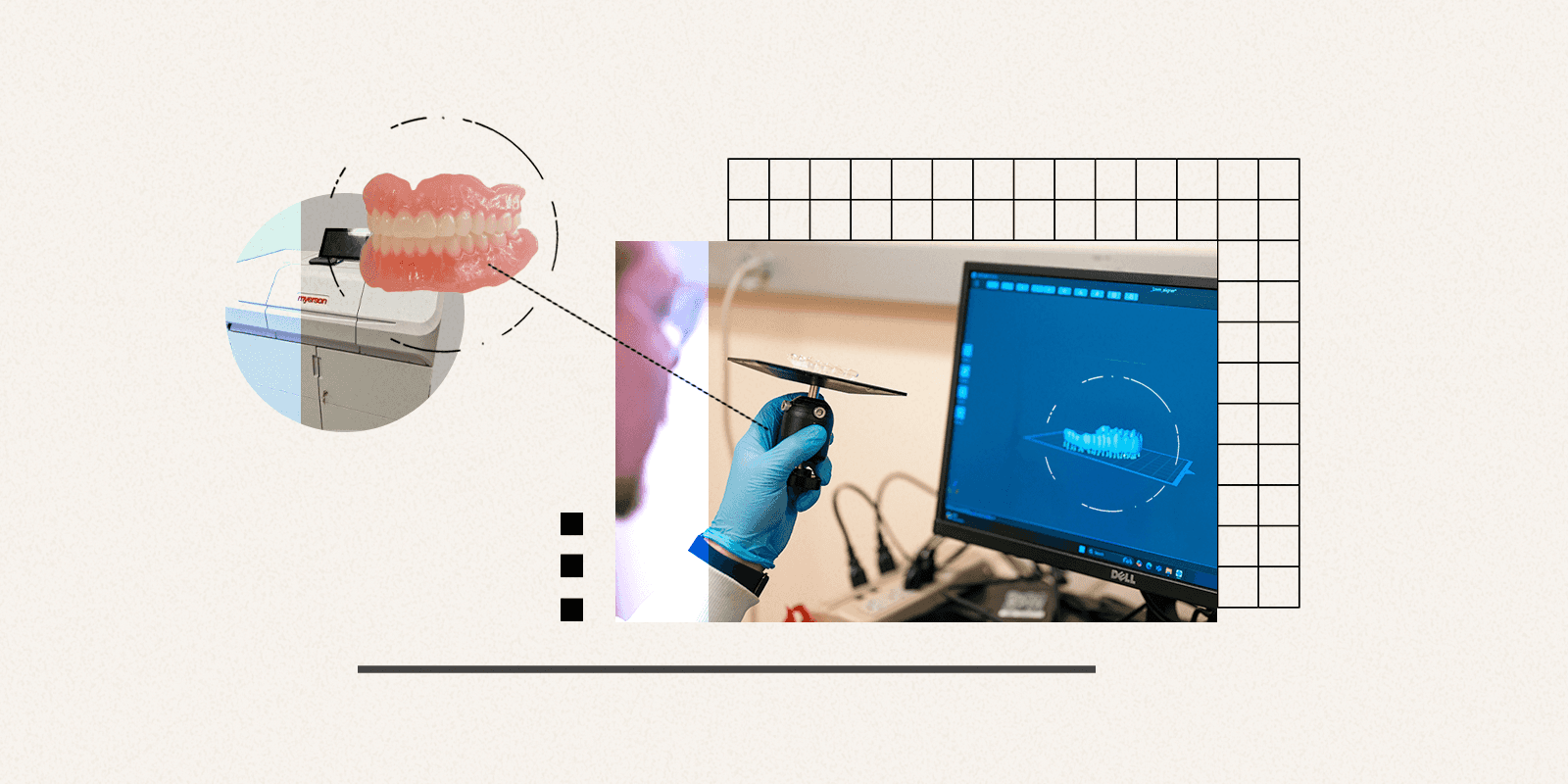
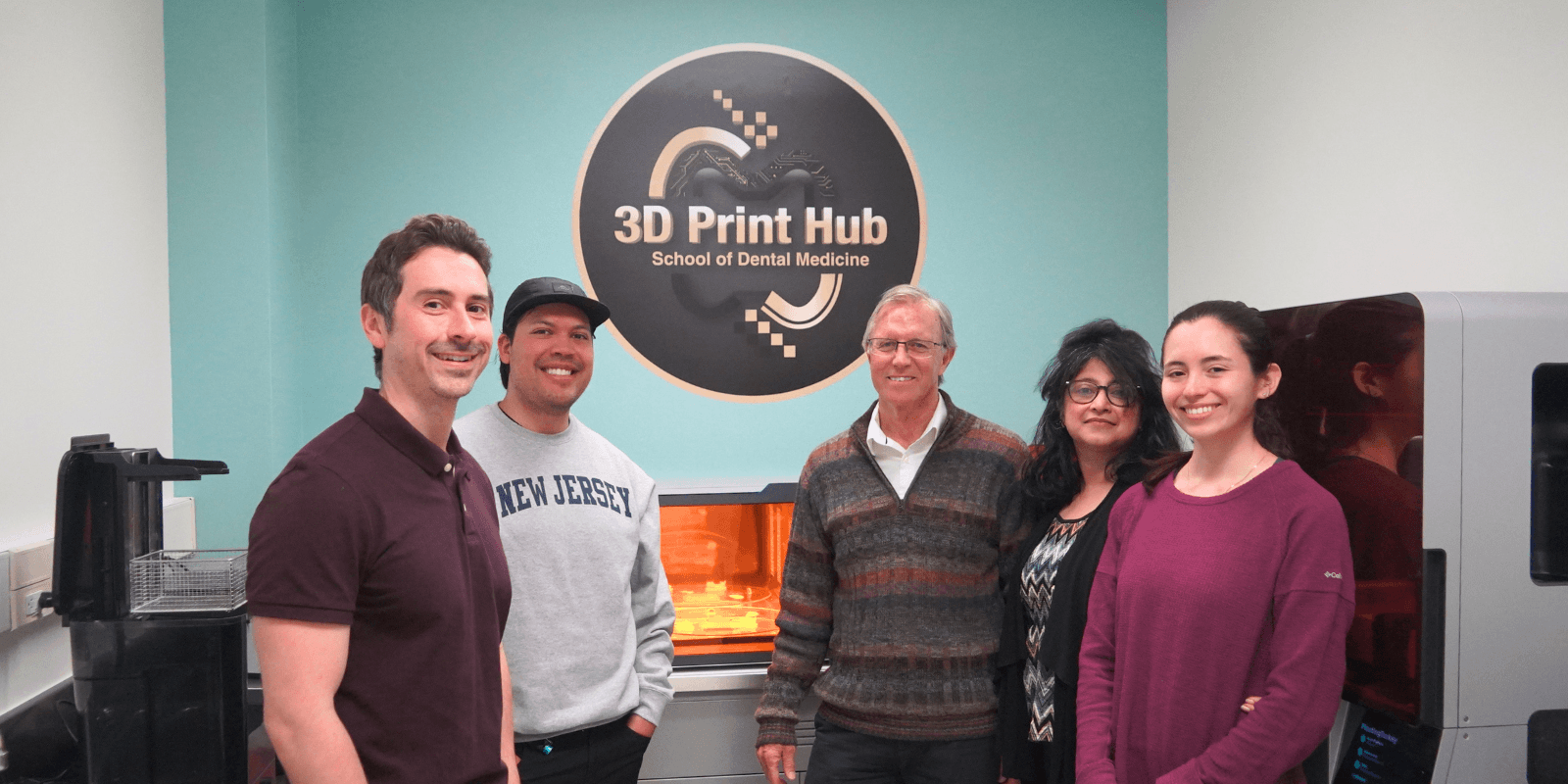
CU Anschutz has put one of dentistry’s most practical 3D printing ambitions on the table: a denture built in a single inkjet run, with the base and teeth printed together in just a few hours. The new 3D Print Hub at the University of Colorado Anschutz Medical Campus, launched April 20, 2026, is meant to move that workflow from materials research into clinical use and student training.
The effort is led by Jeffrey Stansbury, senior associate dean for research and professor of dental medicine, whose team is developing photo-curable polymer systems designed to improve durability, cost, production speed and, potentially, antimicrobial performance. That is a clear departure from the decades-old denture process, which still leans on injection molding, subtractive milling or single-material printing followed by manual assembly. Each of those steps adds time and creates room for distortion, a real problem when fit and comfort are the whole game.
What makes this work stand out inside the 3D printing world is not just speed, but the move toward multimaterial control. CU Anschutz says the Stansbury lab has developed polymer systems that can tune stiffness, elasticity and other properties, opening the door to dentures and other removable prostheses where one material does not have to do every job. The school also tied the project to earlier work on removable partial dentures, where no monolithic, multimaterial printed solution is yet established.
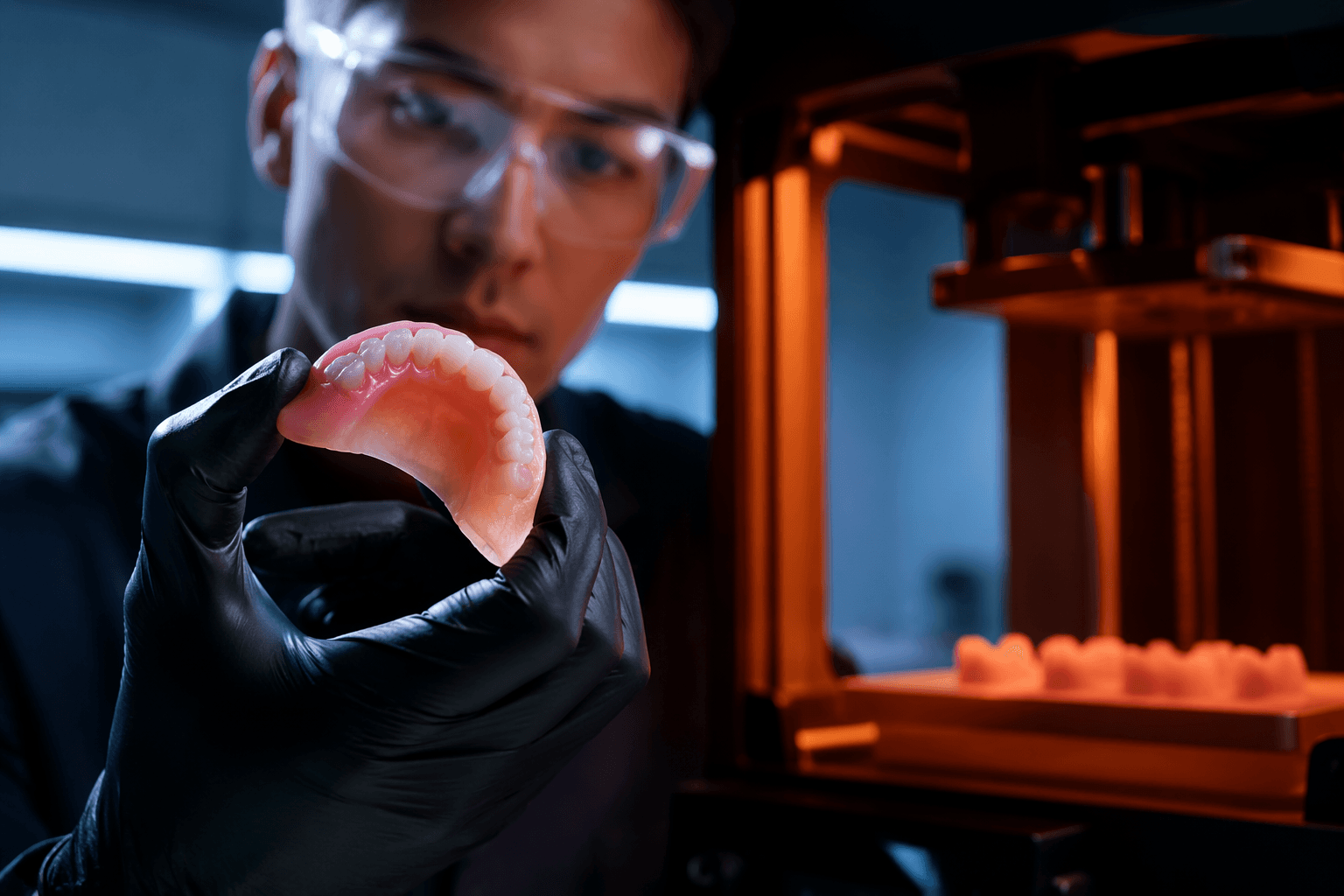
The commercialization path is already taking shape. CU Anschutz says a first-generation printed denture reached the commercial market in 2025 through Myerson’s affiliation with Henry Schein. Those dentures are FDA cleared, but they have not yet been evaluated in a controlled clinical trial. The first study at the new hub will compare analog compression molded dentures with inkjet-printed dentures in a blinded design, measuring patient satisfaction and functional outcomes.
Antibacterial performance is another piece of the pitch. Parallel work from Devatha Nair’s laboratory, in coordination with School of Medicine professor Michael Schurr, is developing antimicrobial and antifungal materials that can be built into the denture or applied as a coating. The target includes Streptococcus mutans, the bacterium closely associated with plaque and biofilm formation on dentures.
The public-health backdrop is hard to ignore. CDC surveillance found that 12.1% of U.S. adults age 65 and older were edentulous in 2022, which works out to more than 6.9 million older adults. For a patient population that large, shaving hours off fabrication while improving fit and hygiene is not a lab curiosity. It is the kind of upgrade that could make multimaterial 3D printing one of dentistry’s most visible real-world wins.
This article was produced by Prism’s automated news system from verified source data, official records, and press releases, then run through automated quality and moderation checks before publishing. The system is built and supervised by the people who set the standards it runs under. Read our full AI policy.
Did this article answer your question?