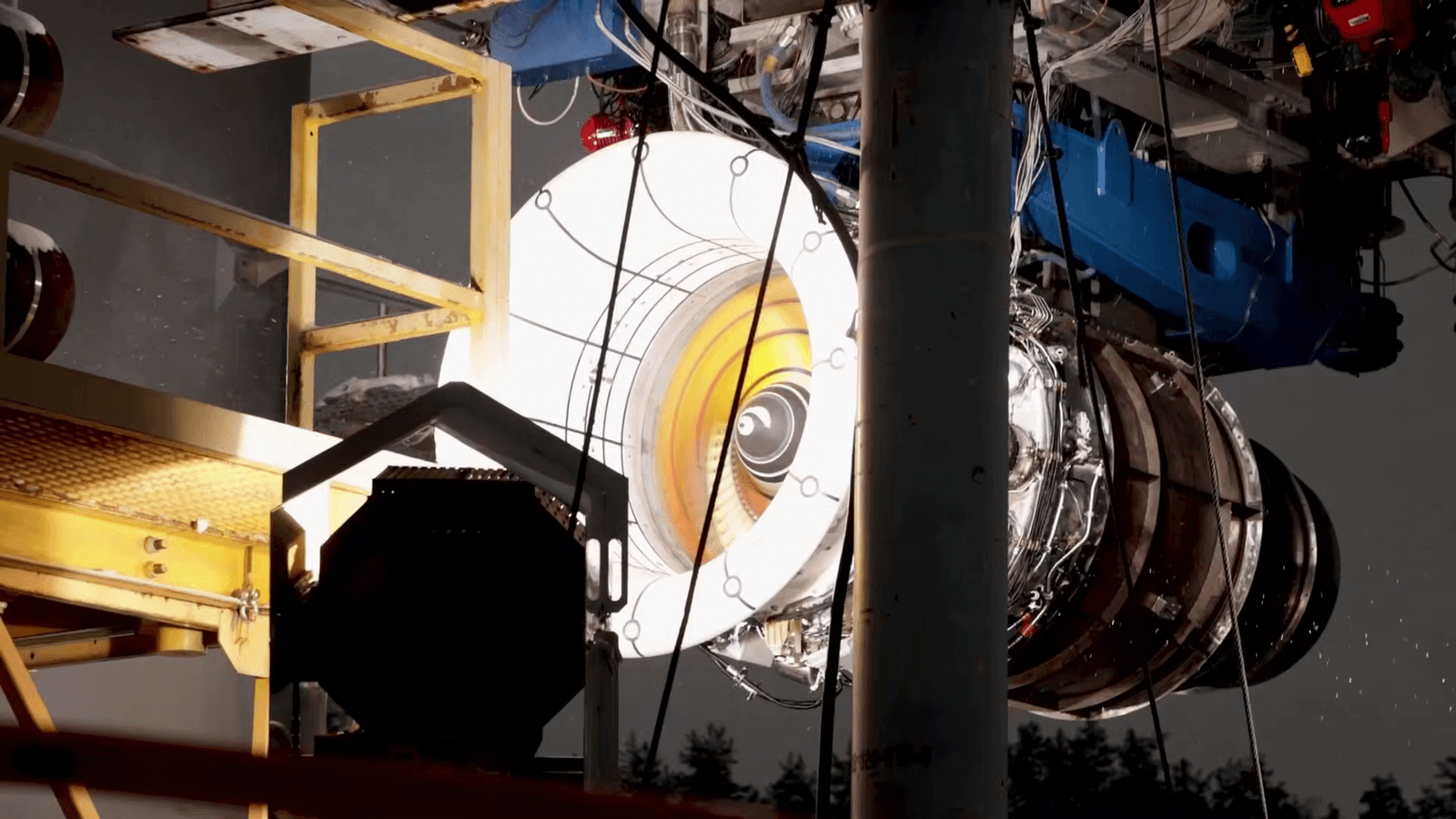
Depolymerizable resin could make 3D printing waste reusable
A depolymerizable resin could let failed prints and support waste go back into the vat instead of the trash. The hard part now is keeping that loop safe, cheap, and print-ready.
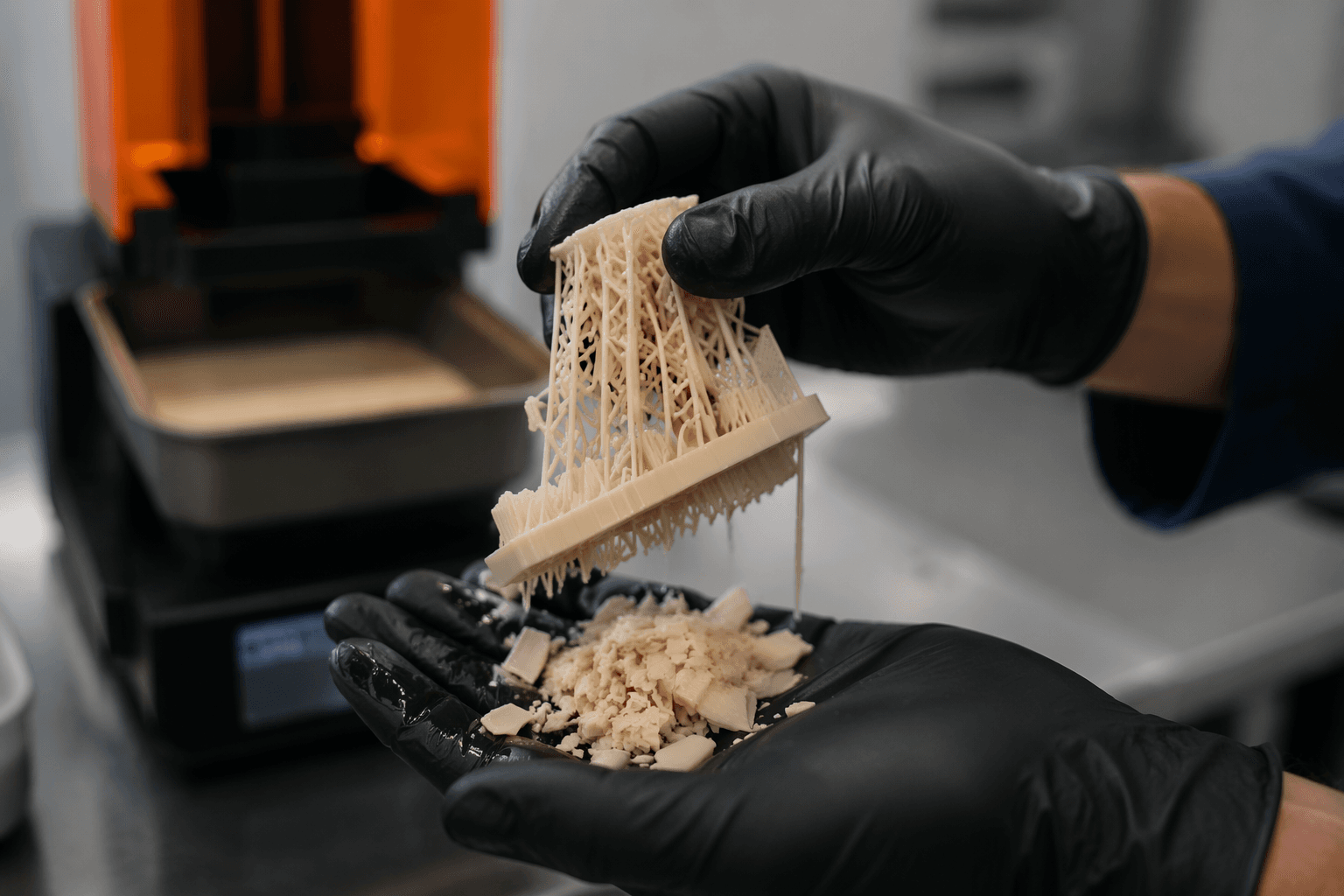
Failed resin prints are expensive enough; the real sting is that cured photopolymer usually becomes thermoset trash, along with supports, wash sludge, and every misprint you have to strip off the build plate. A depolymerizable resin changes that logic by aiming to break the material back down and reuse it, which could make vat photopolymerization feel less like a one-way chemical reaction and more like a loop. The big question now is not whether the chemistry is clever, but whether it can survive the realities of desktop resin printing: cost, safety, detail, and cleanup.
Why resin waste is such a stubborn problem
Resin printing earns its place because it can produce smooth surfaces, crisp edges, and tiny details that FDM still struggles to match. But the tradeoff is familiar to anyone who has handled a vat printer: uncured resin is messy, cured waste is hard to reclaim, and every support tree adds more material that usually goes straight to the bin. Once the photopolymer is cured, the material is effectively locked into its new form, which is exactly why failed parts and leftover resin have been so difficult to recover.
That lock-in is what makes the depolymerizable-resin idea so important. Instead of treating a failed miniature, a prototype bracket, or a forest of supports as permanent waste, the chemistry aims to reverse the process and recover usable feedstock. In practical terms, that changes resin printing from a consumable-heavy workflow into something closer to a material loop, where the scrap pile may have a second life instead of a one-way ticket to disposal.
What depolymerizable resin is trying to change
The appeal is easy to understand for anyone who has paid for resin, washed a part, cured it, and then thrown away the supports and contaminated cleanup materials. A resin that can be depolymerized, then rebuilt, could lower the amount of fresh material you need for each job and make failed prints less financially painful. It also reframes waste management, because the problem is not only the final print, but the entire trail of supports, filters, wash material, and contaminated leftovers that come with it.
That is why this story matters beyond the lab. The chemistry is not just about being greener in the abstract; it is about whether resin users can reclaim value from what is currently waste. If a formulation can be broken down cleanly enough to be reused without wrecking print quality, it could change how people budget for resin, how they handle rejects, and how much material they are willing to risk on a long print.
What the recent research actually shows
University of Birmingham researchers reported in May 2024 that they had produced a biosourced photopolymer resin that could be printed at high resolution, broken down to its constituent parts, recycled, and reprinted. The resin was based on lipoic acid, a naturally occurring fatty acid sold as a dietary supplement, and the team said it could be recycled back into either monomers or the original molecule with only a small amount of photoinitiator added back in. That is a strong proof of concept, but the team also said the material still needs improvements in its properties before it can be treated like a finished consumer resin.
A separate effort from Yokohama National University pushed the idea in another direction. In a February 21, 2026 paper in ACS Omega, Shoji Maruo’s team described a recyclable resin for stereolithography built around anthracene photodimerization. The group said conventional resins form irreversible cross-linked networks, while earlier recyclable resins often needed additives or degraded after one or a few reuse cycles. Their approach uses reversible chemistry so the printed material can revert when heated, and the goal is to preserve performance through multiple recycling cycles while still supporting high-precision stereolithography.
MIT has also been attacking the waste problem from a more immediate angle. Its engineers developed a resin system that responds differently to ultraviolet and visible light, so it can produce sturdy parts and dissolvable supports in the same workflow. Once removed, that support material can be blended back into fresh resin and reused for later prints, and the team demonstrated the method on gear trains, lattices, and a dental implant. That does not make the entire print recyclable, but it does target one of the biggest everyday sources of resin waste: the support structure.
What this means for real desktop workflows
For hobby resin printing, the most useful question is not whether the chemistry sounds impressive, but whether it changes the day-to-day routine at the bench.
- Cost: If failed prints and supports can be recovered, less resin goes to waste, which could ease the economics of trial-and-error printing.
- Safety: Resin would still need careful handling. Reusability does not erase the need for gloves, ventilation, cleaning discipline, or sensible disposal of contaminated materials.
- Print quality: High-resolution output is promising, but the material still has to hold details, survive post-processing, and avoid the brittleness or consistency issues that sink many experimental resins.
- Post-processing: This is where the biggest practical gain may appear first. If supports or leftover material can be dissolved, separated, or reintroduced into the next batch, the cleanup burden gets lighter fast.
That balance matters because resin printing has been commercially important for years, yet the core chemistry has changed slowly since vat photopolymerization emerged in the 1980s. Rochester Institute of Technology has said photopolymer sales for additive manufacturing climbed steadily before plateauing around 2021 at roughly $650 million, which helps explain why a reusable-resin breakthrough draws so much attention. The market is already big enough that even small gains in material recovery could have an outsized effect on cost and waste.
The real test ahead
Depolymerizable resin is not a finished replacement for the bottles on your shelf, and it should not be treated like one. The important shift is more basic: resin printing is starting to look less like a dead-end thermoset workflow and more like a materials system with possible return paths. If the chemistry can become practical enough for desktop use, the most frustrating part of resin printing, the pile of failed parts and discarded supports, may stop being the part you just accept.
This article was produced by Prism’s automated news system from verified source data, official records, and press releases, then run through automated quality and moderation checks before publishing. The system is built and supervised by the people who set the standards it runs under. Read our full AI policy.
Did this article answer your question?