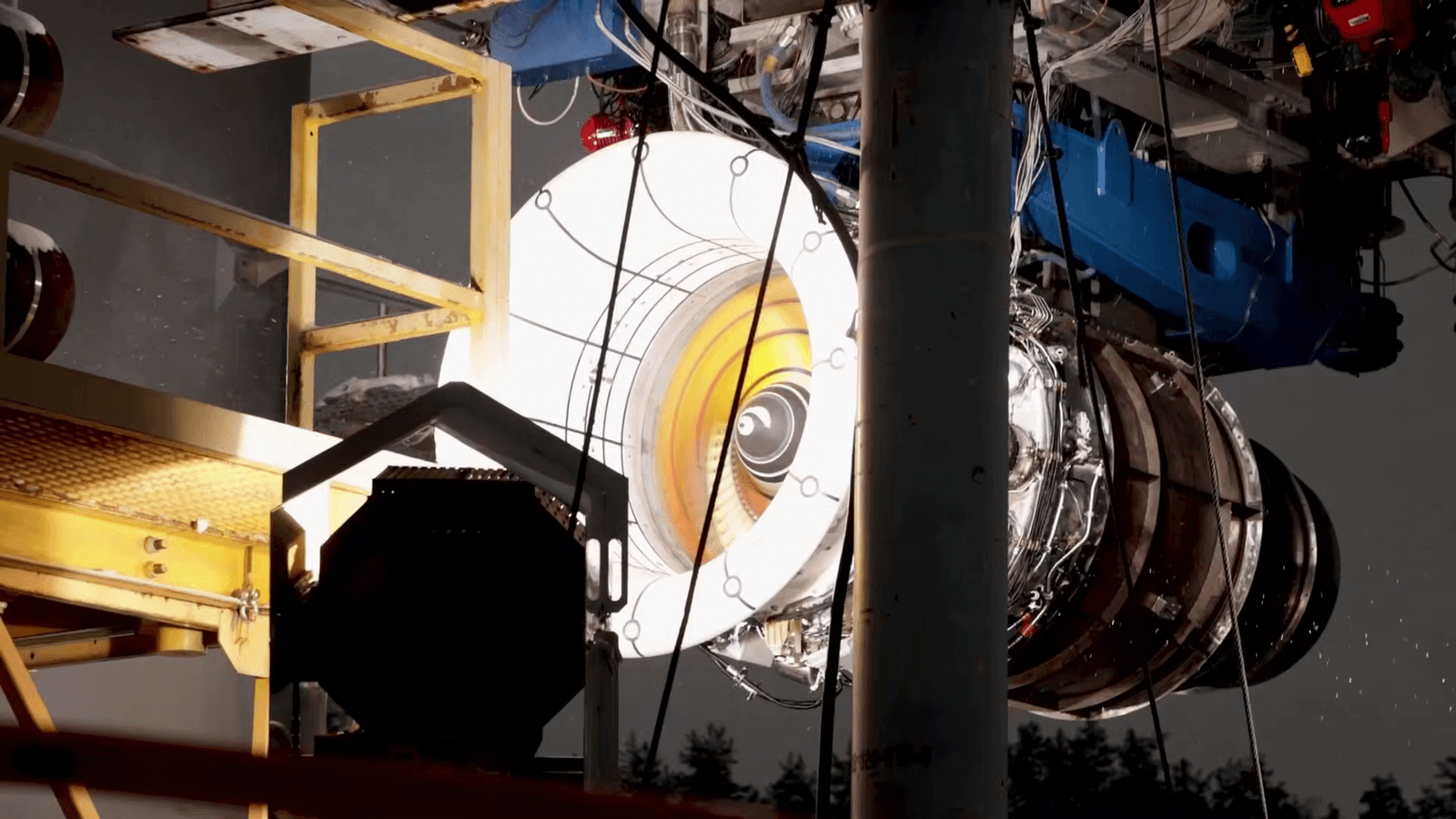
Divergent Technologies boosts 3D printer output eightfold with DAPS platform
Divergent says DAPS lifts output eightfold by turning printing into a full production system, not a standalone machine.
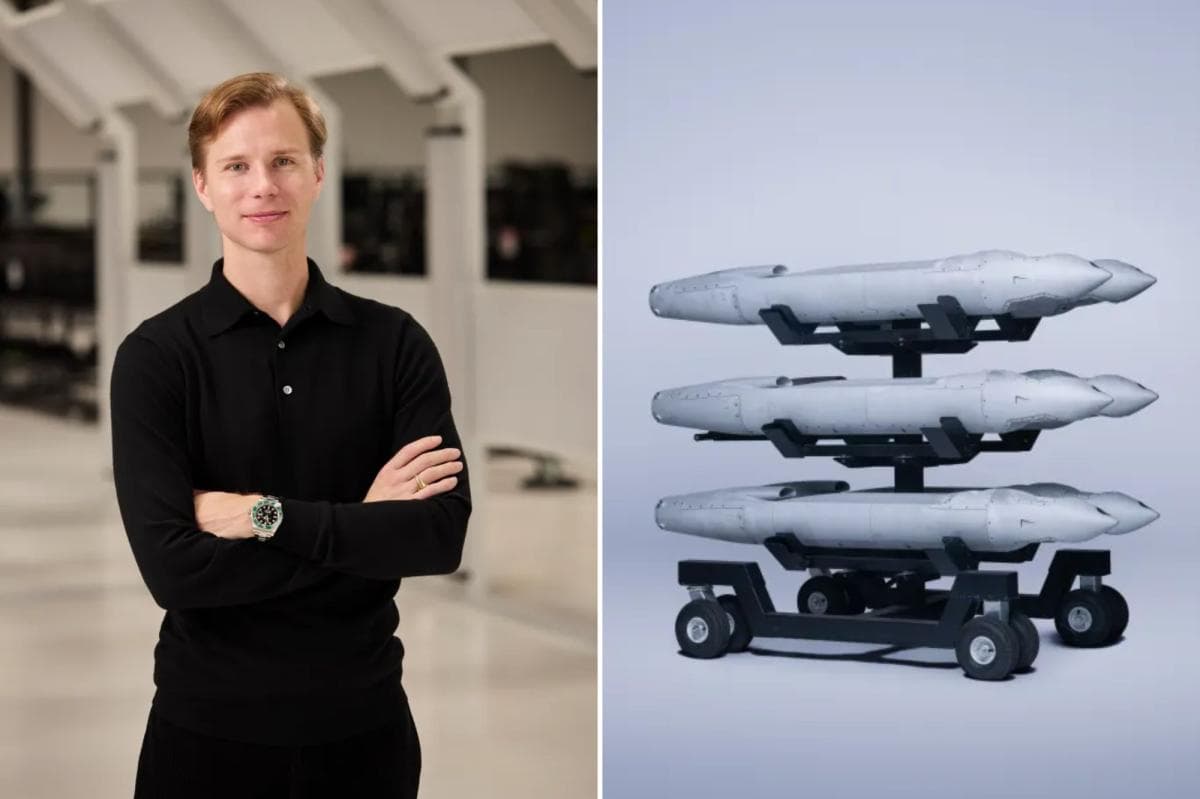
Divergent Technologies is betting that the big leap in 3D printing is not a single faster machine, but a production stack built to move parts from design to assembly with far less friction. The Torrance, California company says its Divergent Adaptive Production System, or DAPS, can increase printer output by eight times and help factories respond faster when demand spikes.
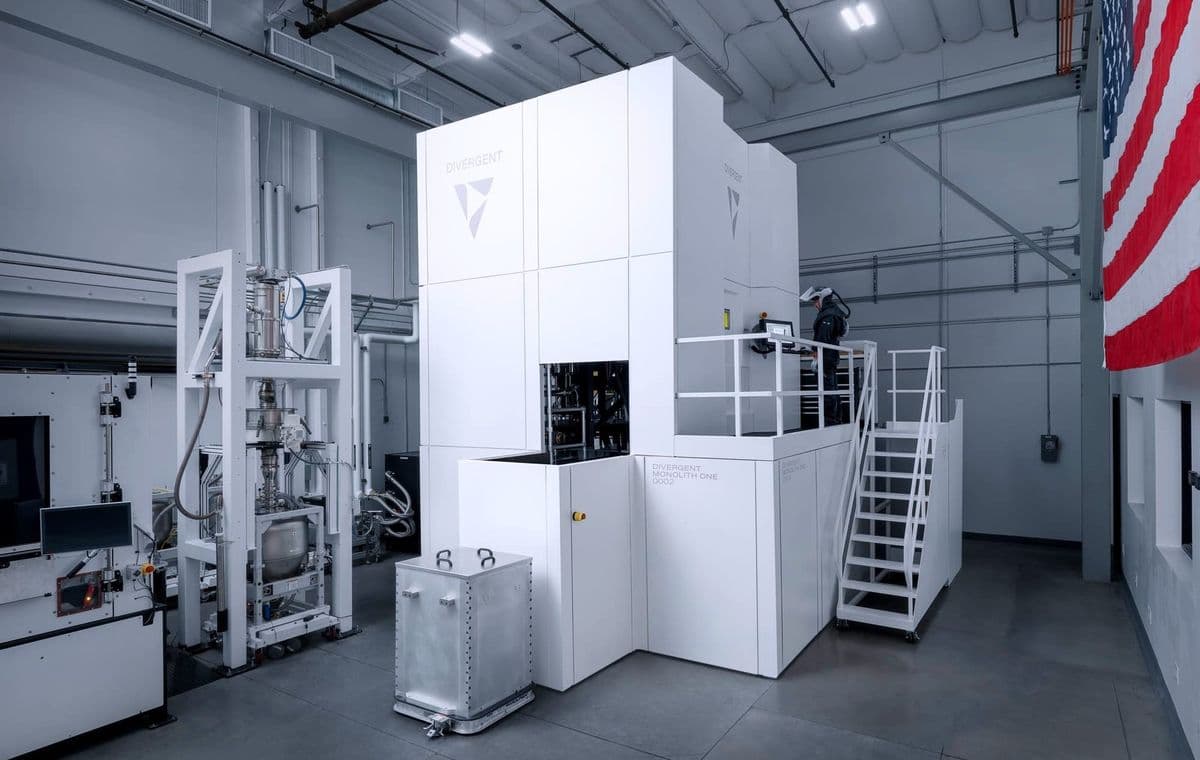
At the center of that claim is an end-to-end workflow that combines AI-enabled engineering, industrial-rate additive manufacturing and universal robotic assembly. Divergent says its flagship Monolith One printer sits inside that system, with reliability, scalability and process control treated as production requirements rather than nice-to-have features. The pitch is straightforward: if the printer, software and assembly cells are all designed to work together, the machine is no longer just making parts. It is feeding a factory.
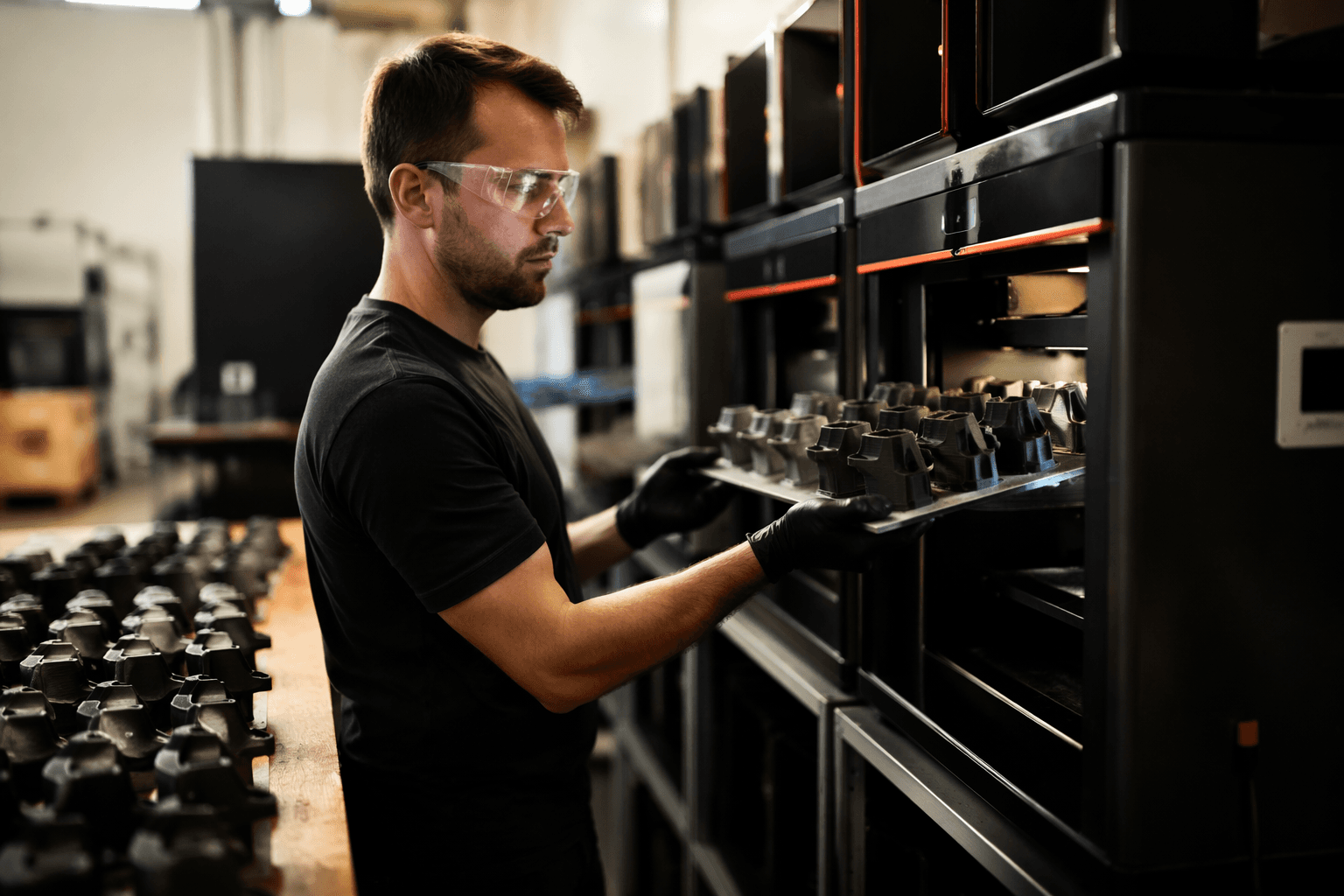
That matters because Divergent has spent the past year showing how its approach compresses timelines that usually stretch across tooling, qualification and assembly. In February, the company and Mach Industries said their Venom prototype aircraft concept went from idea to flight demonstration in 71 days. In December, Divergent and Saab said they delivered initial fuselages for a future autonomous aircraft concept, describing the structure as one of the largest laser powder bed fusion parts to ever undergo powered flight. The fuselage measured 15 feet, used 26 unique printed parts and required no unique tooling or fixturing.
Those are the kinds of milestones that give the eightfold-output claim some real-world context. Divergent’s website says DAPS can support production surges of thousands of structures per year and switch between products through software-defined changes, a different model from the conventional factory that often depends on hard tooling and long setup cycles. For customers in defense and aerospace, where demand can rise suddenly and lead times can make or break a program, the value is not just faster print speeds. It is the ability to move from prototype to production without rebuilding the manufacturing line each time.
Divergent has been leaning hard into that message. Earlier in 2025, it said it was selected for the U.S. Air Force’s Eglin Wide Agile Acquisition Contract, a $46 billion IDIQ vehicle, and it separately announced a partnership with Triumph Group to qualify critical manned-aircraft components. In September, it said it raised $290 million in Series E funding at a $2.3 billion valuation to scale its digital manufacturing platform and meet growing U.S. defense production demand.
The eightfold headline is eye-catching, but the more important shift may be what it says about where additive is headed next. The winning system is looking less like a lonely printer on a bench and more like a farm-style production cell built for throughput, repeatability and quick changeovers. Divergent is trying to prove that the future of printing is not just higher output. It is production-grade output.
This article was produced by Prism’s automated news system from verified source data, official records, and press releases, then run through automated quality and moderation checks before publishing. The system is built and supervised by the people who set the standards it runs under. Read our full AI policy.
Did this article answer your question?