Dubai Maker Launches Commercial 3D Printed Speedboat Vortek
Dubai’s Vortek turns large-format printing into a sellable speedboat, with a build time measured in weeks and a price about one-third of a conventional rival.
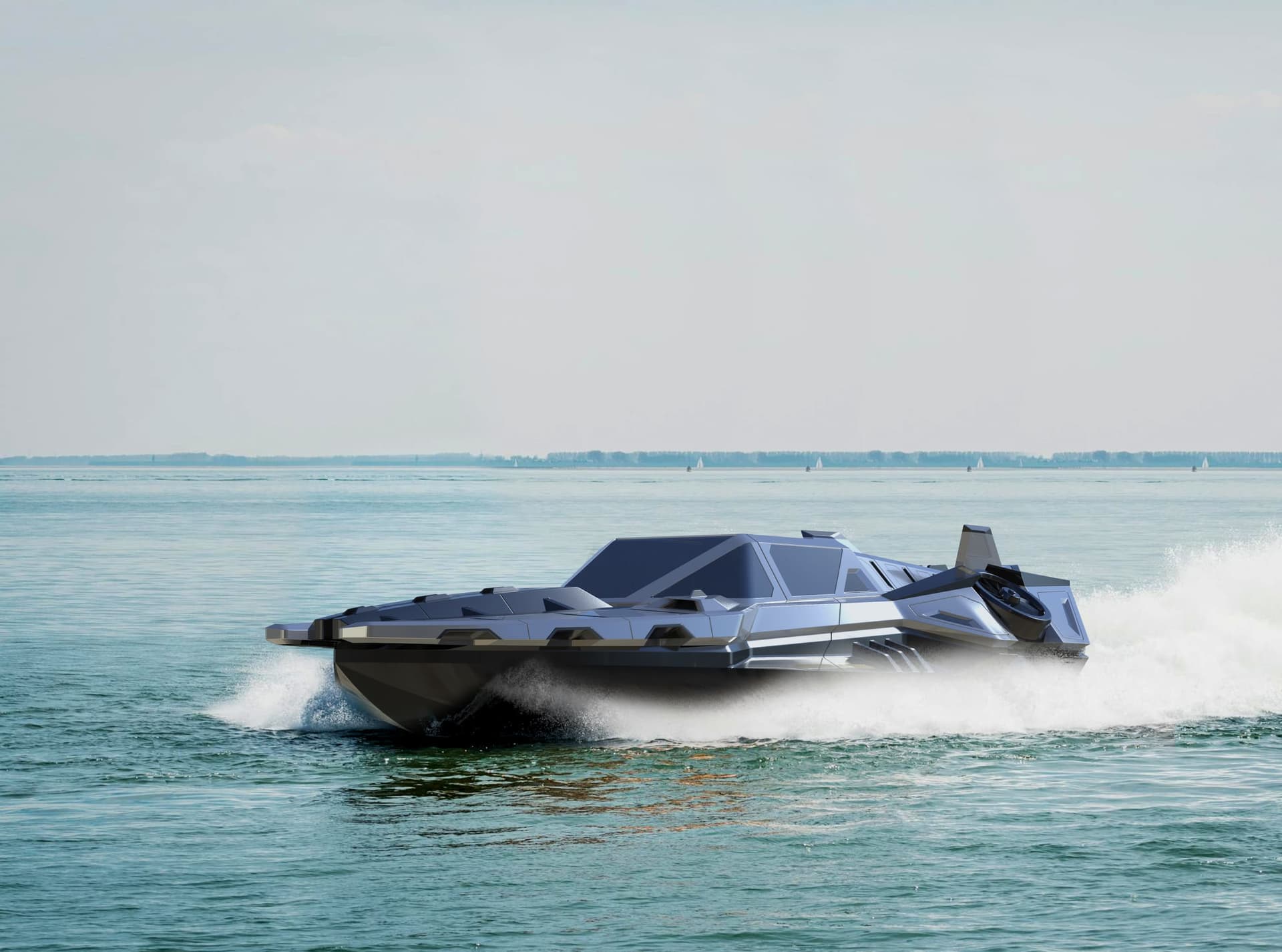
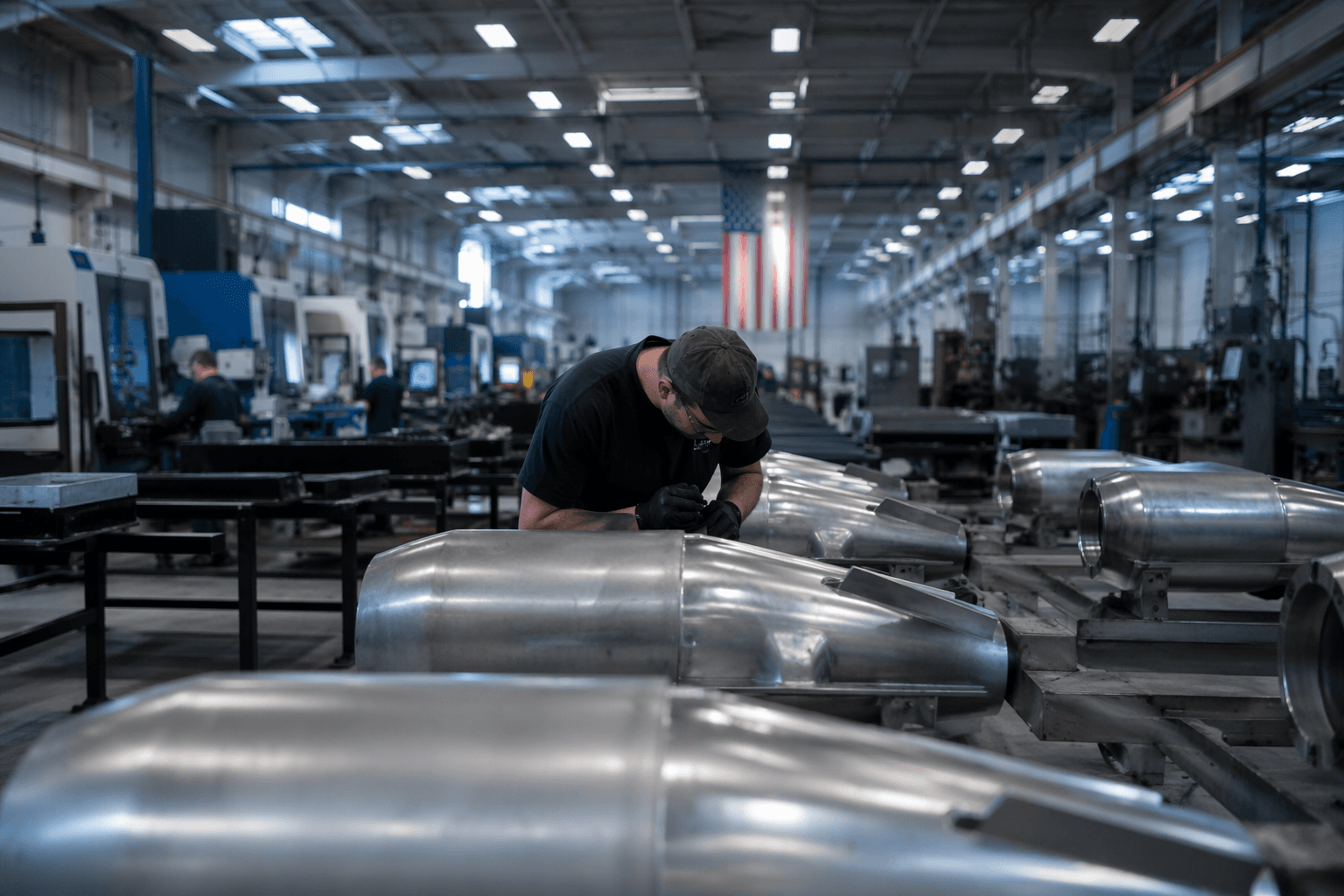
Dubai-based Innoventive 3D has pushed additive manufacturing past the one-off demo stage with Vortek, a commercially available speedboat built to order in Dubai. The boat’s hull, deck, and superstructure were made with material extrusion, and the company says the build time runs in weeks rather than months. It is also priced at about one-third of a traditionally made speedboat of the same size, a figure that matters as much as the geometry.
That is the real takeaway for the 3D printing world. Vortek is not being sold as a museum piece or a flashy prototype. It is a low-volume, custom-built product, the kind of job where mold costs, tooling delays, and inflexible production methods can become a brake on design. For makers watching the commercial side of additive manufacturing, the lesson is simple: printing wins when shape, customization, and limited runs matter more than mass-production economics.
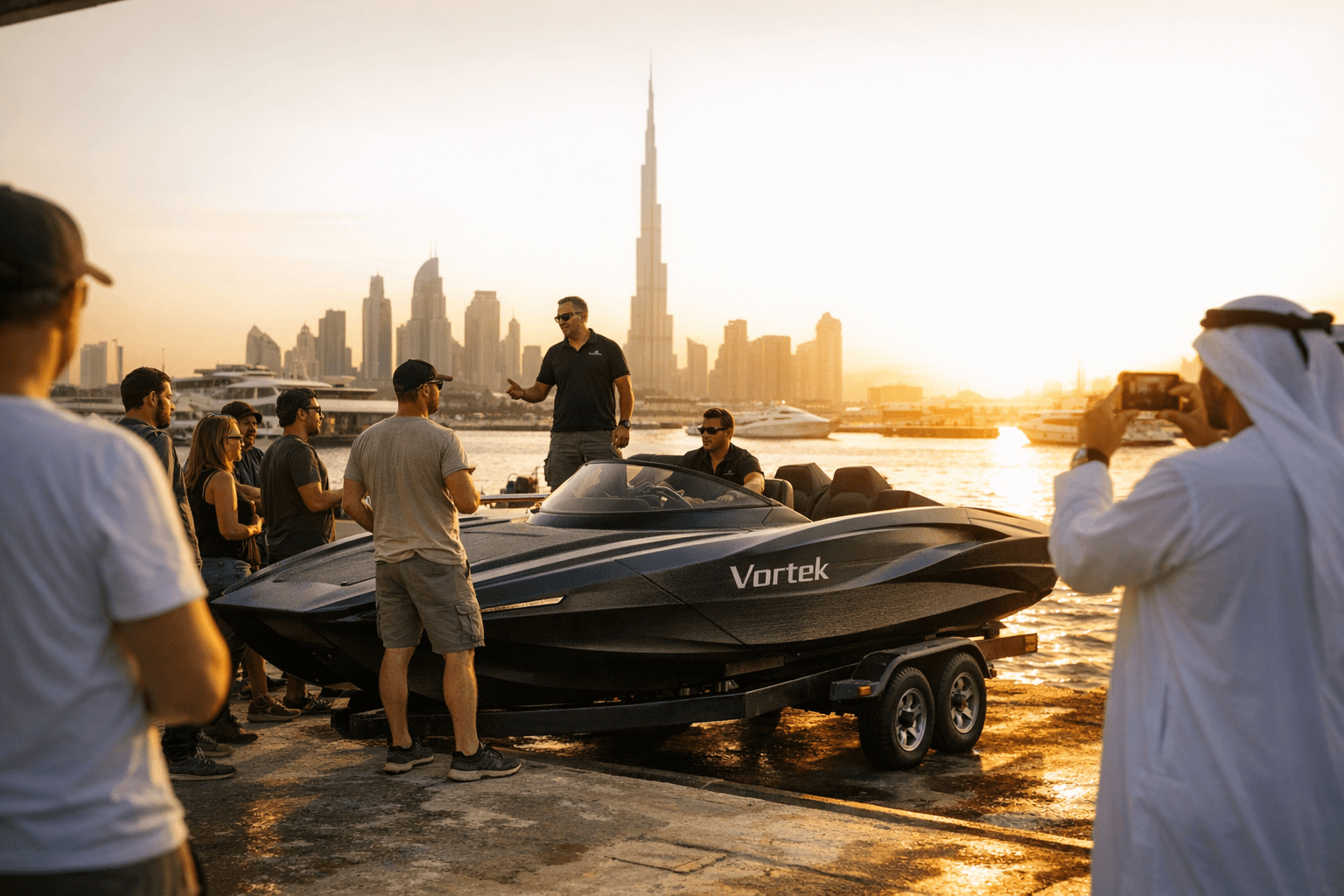
Innoventive 3D’s earlier Cyberfin project shows how fast that logic can move. The company described Cyberfin as Dubai’s first fully 3D-printed boat, a 10-meter vessel completed in 6 days and 9 hours. Its material for the project said the firm could produce 6 to 7 boats per month, which puts the operation well beyond a publicity stunt and into repeatable fabrication. Vortek extends that model into a more polished, higher-end craft.
Dubai has been building a broader maritime additive lane around the same idea. On July 14, 2024, the Dubai Roads and Transport Authority launched trial operation of the world’s first electric 3D-printed abra, a 20-passenger craft designed to preserve the traditional abra identity while using 3D printing for the build. The vessel measured 11 meters long and 3.1 meters wide, used two 10-kilowatt motors with lithium batteries, and was tied to a plan to cut manufacturing time by 90% and manufacturing costs by 30%.
Abu Dhabi has been moving in the same direction. On November 9, 2023, Al Seer Marine and Abu Dhabi Maritime unveiled a 3D-printed water taxi that later took the Guinness World Records title for the largest 3D printed boat. The 11.98-meter craft, printed with a CEAD Flexbot, carried 29 passengers including crew and included space for bicycles and wheelchairs. Earlier, the University of Maine’s 3Dirigo held the size record, and Navatek and the University of Maine later won a $5 million Office of Naval Research contract in 2020 to advance maritime 3D printing.
Taken together, Vortek shows where large-format additive is heading: custom geometry, lower-volume production, and real commercial saleability. It is not a desktop-market shift, but it is a clear sign that printed manufacturing is moving into full-size products people can actually order.
This article was produced by Prism’s automated news system from verified source data, official records, and press releases, then run through automated quality and moderation checks before publishing. The system is built and supervised by the people who set the standards it runs under. Read our full AI policy.
Did this article answer your question?