ExxonMobil uses wire-based metal 3D printing to cut part costs
ExxonMobil turned a small anti-wicking device into a metal AM win, cutting unit cost 42% and lead time from 4 to 6 weeks to 58.8 hours.
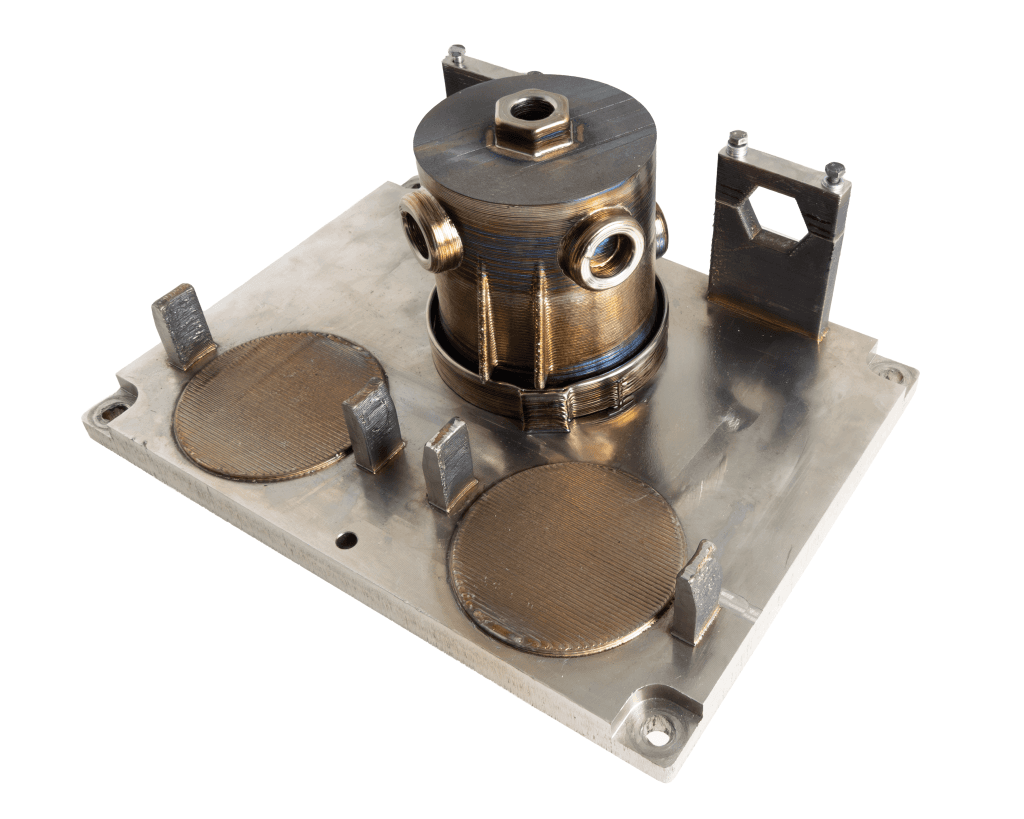
ExxonMobil found its best metal 3D printing case not in a giant pressure part or a flashy prototype, but in a small anti-wicking device that kept oil from creeping up thermocouple wires and contaminating instrument cabinets. At the Baton Rouge refinery in Louisiana, that little maintenance part had been slow and expensive to source conventionally, which made it a stubborn bottleneck for a plant where downtime and logistics drag on operations fast.
The refinery shifted the job to Meltio’s wire-based Laser Metal Deposition system, the M600, and then rethought the part around the process instead of copying the old geometry line for line. That move mattered as much as the printer itself. By building the component layer by layer in metal, ExxonMobil made titanium economically viable after previously ruling it out on cost grounds, opening up a material option that had been off the table for a part this modest in size but high in value to maintenance teams.

The redesign was where the additive playbook became clear. ExxonMobil and Meltio used a custom stainless-steel fixture that let four components print at once, while also giving each build enough dwell time between layers to help prevent oxidation. Engineers cut back overhangs, changed the lid so it supported silicone sealant retention, added built-in probing for a non-planar deposition strategy, and used mechanical clamps to keep parts stable through the build. In other words, the win did not come from treating wire DED like a drop-in replacement for machining. It came from redesigning the workflow around what the process could do well.
ExxonMobil said the result was a 42 percent reduction in per-unit cost and a lead-time drop from an estimated four to six weeks to just 58.8 hours. For a refinery, that is not an abstract efficiency gain. It is a better answer for a mission-critical spare part that had been too slow and too costly to keep feeding through conventional channels. The story fits a pattern that keeps showing up in industrial additive manufacturing: the biggest returns often come from the unglamorous parts that maintenance teams need now, not the headline-grabbing ones that look impressive on a trade show floor.
This article was produced by Prism’s automated news system from verified source data, official records, and press releases, then run through automated quality and moderation checks before publishing. The system is built and supervised by the people who set the standards it runs under. Read our full AI policy.
Did this article answer your question?