Ferrita 3D prints custom Mercedes SLR McLaren exhaust tips, cuts costs in half
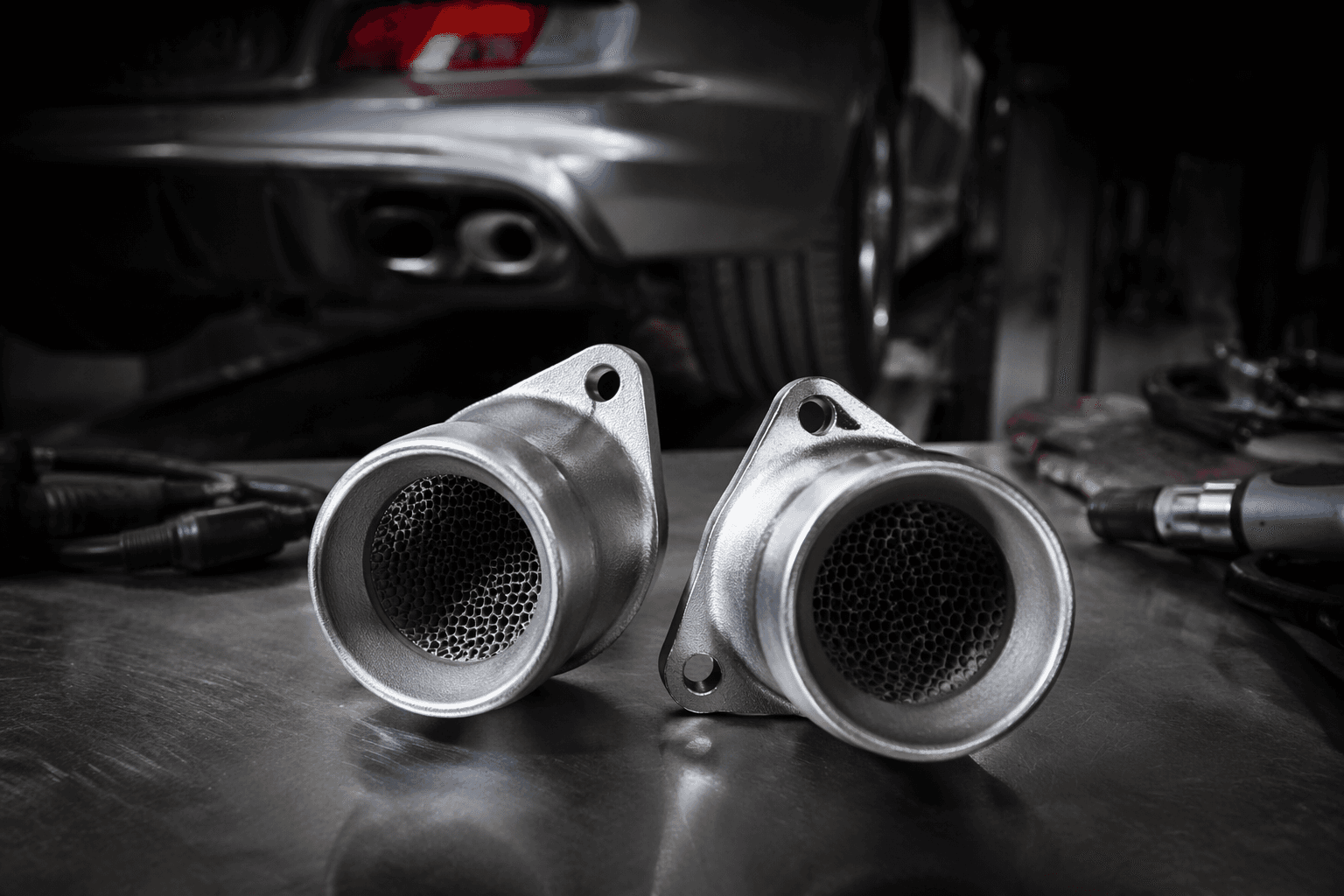
Ferrita printed matching 316 stainless-steel exhaust tips for a Mercedes SLR McLaren and cut time and cost by 50% in its Meltio robot cell.

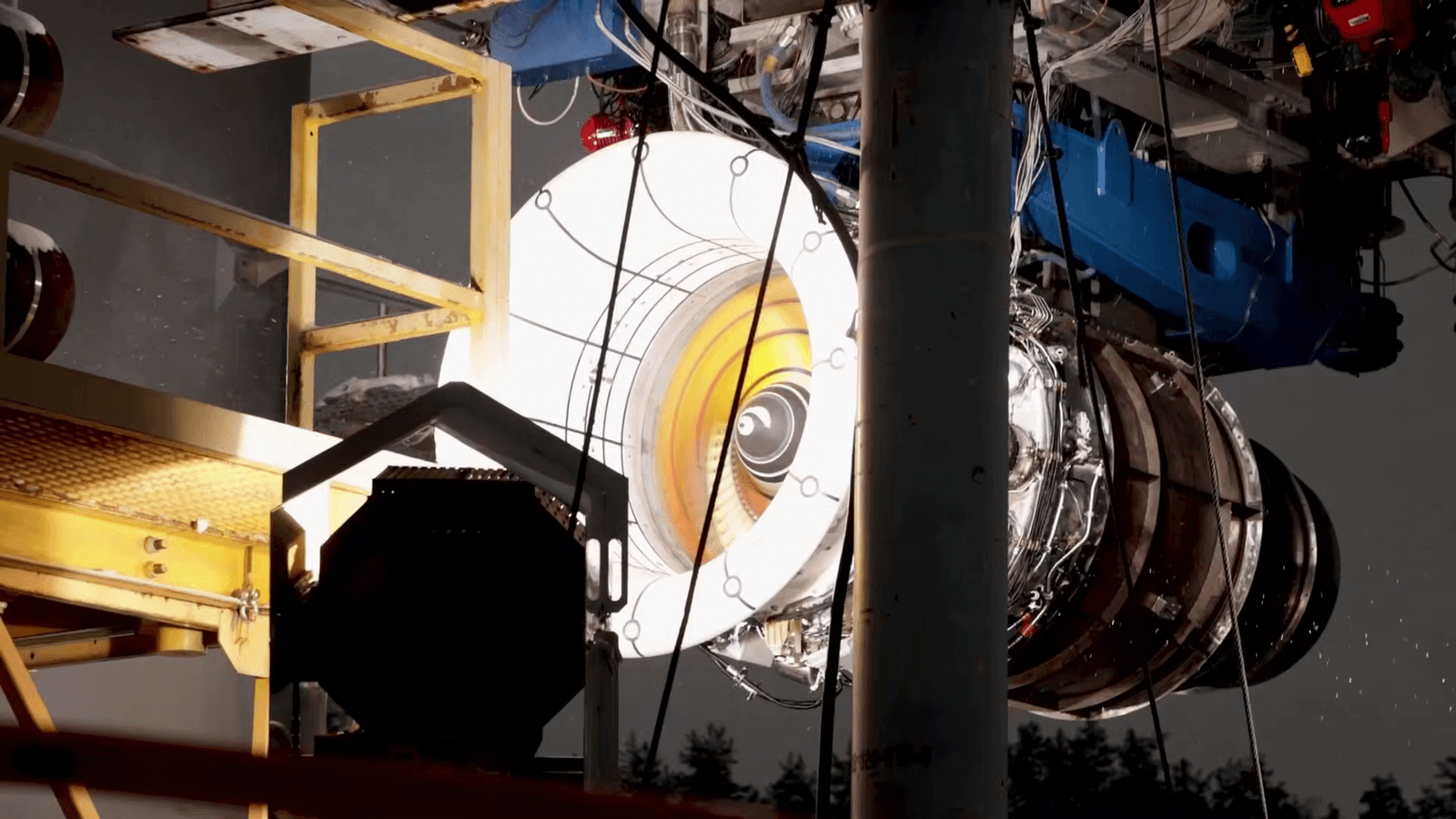
Ferrita used a Meltio robotic wire-laser deposition system to make matching 316 stainless-steel exhaust tips for a Mercedes-Benz SLR McLaren, and the shop says the job cut time and cost by 50 percent in a five-hour build. For a one-off car with a premium finish requirement, that is exactly the kind of part where additive manufacturing beats a longer tool-and-fixture cycle.
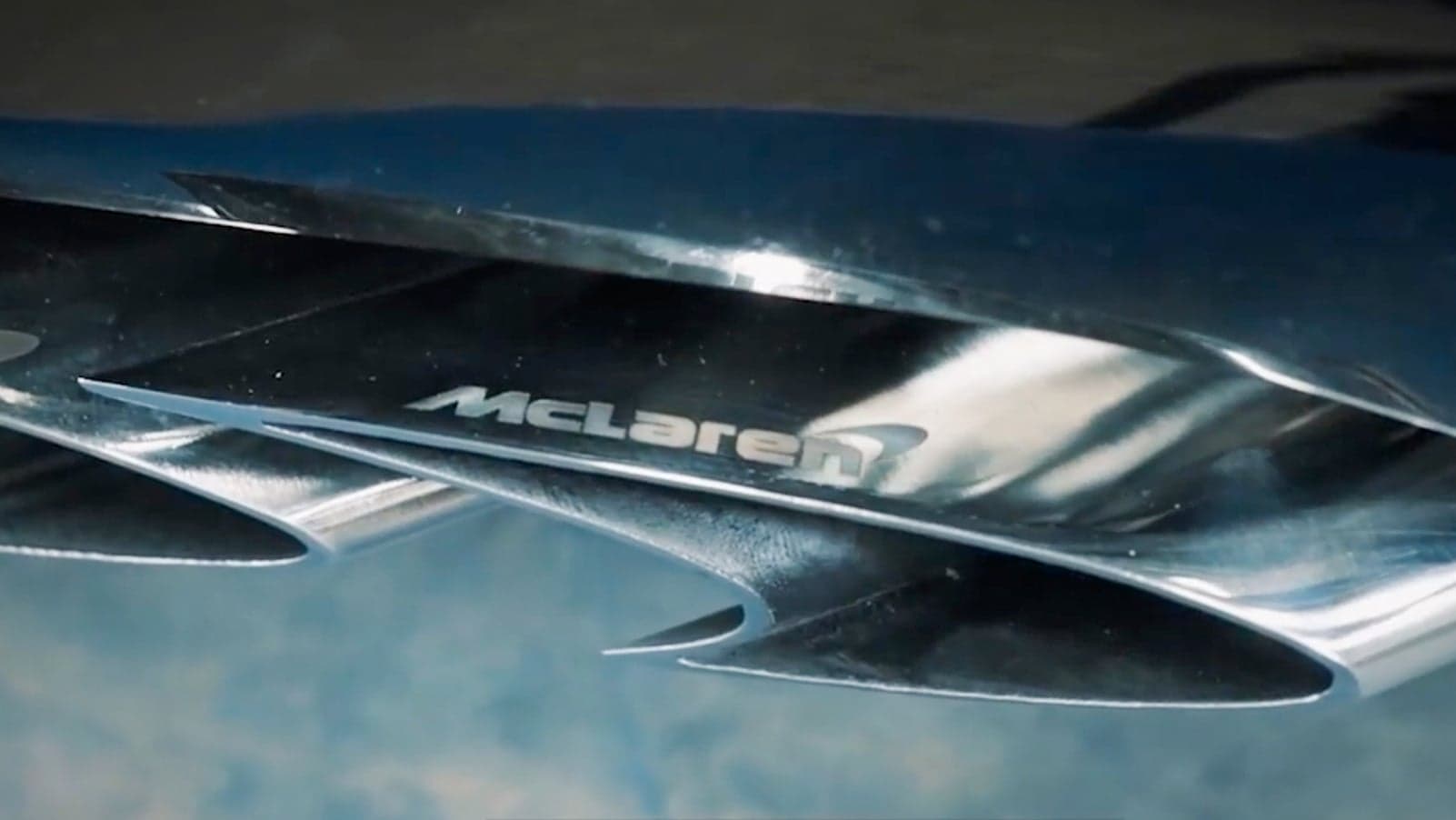
The build started in CAD, inspired by McLaren’s Speedmark design, then moved to a plastic prototype that was test-fitted on the car before Ferrita printed the final metal version in its new Meltio robot cell. Meltio says Ferrita ran the system at 10 millimeters per second, with gas flow at 15 liters per minute and laser power reduced to 1000 watts to preserve fine detail. The result was a pair of matching side-exhaust assemblies that had to be symmetrical, durable and clean enough to sit on a car with SLR-level expectations.
Ferrita, based in Köping, Sweden, says it has handmade stainless-steel exhaust systems since 1959 and keeps developing parts in 3D environments for vehicle optimization and special production. That background matters here: Ferrita also says it can custom manufacture an exhaust system when a part is not in stock, which makes a low-volume Mercedes commission a natural fit for the shop’s workflow. The SLR McLaren itself carries its own bespoke pedigree, first announced at the 1999 British Grand Prix at Silverstone and unveiled in 2003 at the Frankfurt Motor Show, with McLaren Special Operations still handling upgrade packages and commissions for owners. In that context, the printed tips were not a novelty part. They were the most efficient way to solve a narrow fabrication problem without overbuilding the process around it.
This article was produced by Prism’s automated news system from verified source data, official records, and press releases, then run through automated quality and moderation checks before publishing. The system is built and supervised by the people who set the standards it runs under. Read our full AI policy.
Did this article answer your question?