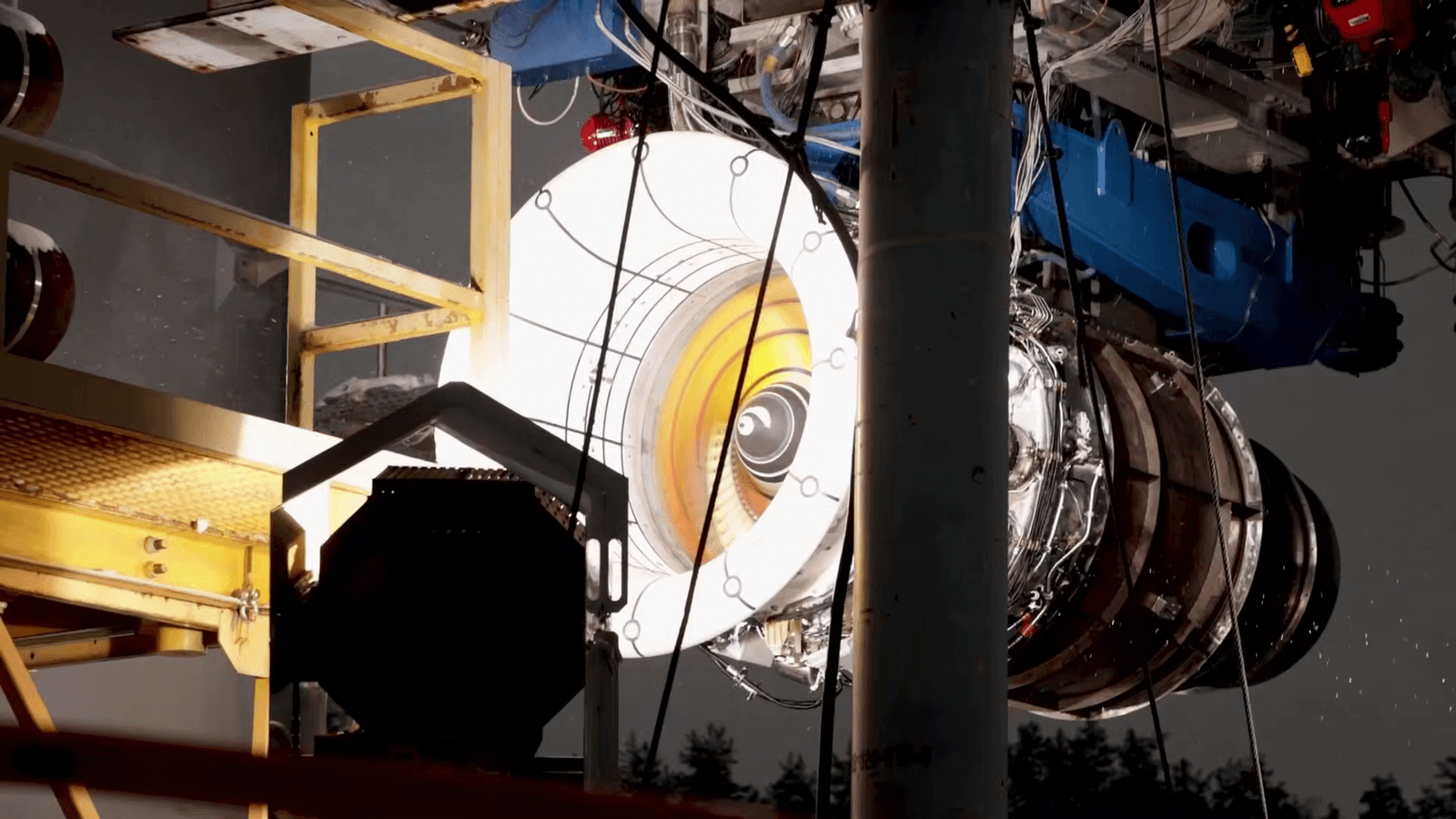
Formlabs launches Flexible 80A Resin V2 for tougher functional parts
Flexible 80A Resin V2 goes after the weak spots makers feel first: tearing on removal, sagging spring, and parts that go dead after repeated flexing.

Flexible SLA parts usually fail in the same frustrating places: a gasket tears as it comes off the plate, a grip gets gummy and loses bounce, or a living hinge starts cracking long before the design should wear out. Formlabs is pitching Flexible 80A Resin V2 as the answer to those problems, with a tougher formulation for Form 4 and Form 4L printers that it says delivers 2x higher tear strength, 2x higher elongation at break, 4x higher rebound, and better aging than the previous version.
The company is not framing this as a cosmetic update. Flexible 80A Resin V2 has a matte black finish and a tack-free surface, and Formlabs says it is meant to rival 80A cast urethanes, TPUs, and hard rubbers for functional parts that need to repeatedly bend, compress, and snap back into shape. That puts the material squarely in the lane of bumpers, enclosures, soft inserts, fixtures, shock-absorbing padding, grips, seals, and gaskets, the kinds of parts where durability is measured less by how they look on a bench than by whether they survive real use.
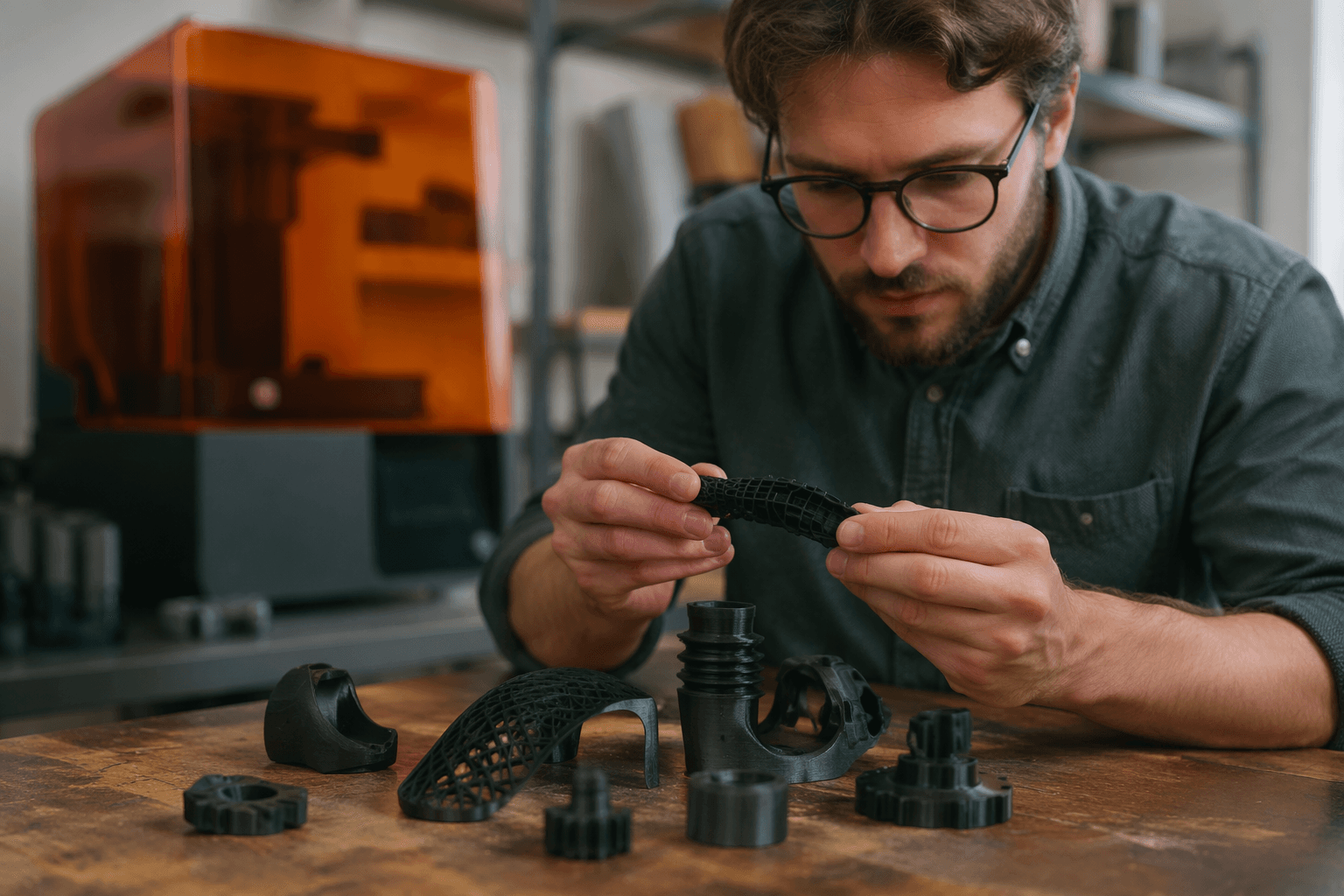
The published material data backs up the pitch with numbers makers will recognize. Formlabs lists an 83A Shore hardness, 10 MPa ultimate tensile strength, 230% elongation at break, 28 kN/m tear strength, 56% pendulum rebound, and Ross flex fatigue of 2,808 cycles at 23°C and 37,619 cycles at -10°C. In plain terms, that is the difference between a flexible print that stretches once and one that keeps its spring after repeated loading, cold use, and the kind of stress that turns soft parts into disposable parts.
Flexible 80A Resin V2 also marks a continuation of Formlabs’ flexible-resin strategy. Flexible 80A Resin V1 was the version for Form 3-series printers, while V2 is the updated formulation tied to the Form 4 platform. Formlabs says it is using the printing technology of the Form 4 series to deliver the performance gains, positioning the resin as a bridge between desktop SLA and the cast urethanes or TPU prints many makers already trust.
The orthotics market is where that bridge gets real. Formlabs has previously described in-house 3D printing of custom orthotic insoles as a way to cut costs, labor, and turnaround time, and it has pointed to Kriwat GmbH, the Kiel-based orthopedic company, as a model for a digital insole workflow. Formlabs had said Kriwat was on track to produce 10,000 pairs of insoles a year with 3D printing, and at Formnext on November 19, 2024, the goal was framed as creating a perfect-fitting orthotic and insole within 24 hours. In a Formnext article dated April 20, 2026, Kriwat said its printers have “absolutely paid for themselves.”
That is the real test for Flexible 80A Resin V2: whether it meaningfully narrows the gap between flexible SLA and the TPU prints already living on hobby benches. If it really holds up against tearing, fatigue, and aging, it is not just a softer resin. It is a more believable one.
This article was produced by Prism’s automated news system from verified source data, official records, and press releases, then run through automated quality and moderation checks before publishing. The system is built and supervised by the people who set the standards it runs under. Read our full AI policy.
Did this article answer your question?