Haarlem 3D Print Gallery opens sustainability show in former prison
A former prison will host furniture, lighting, and 3D printed ceramic cladding, turning sustainability into a full-scale design brief instead of a slogan.
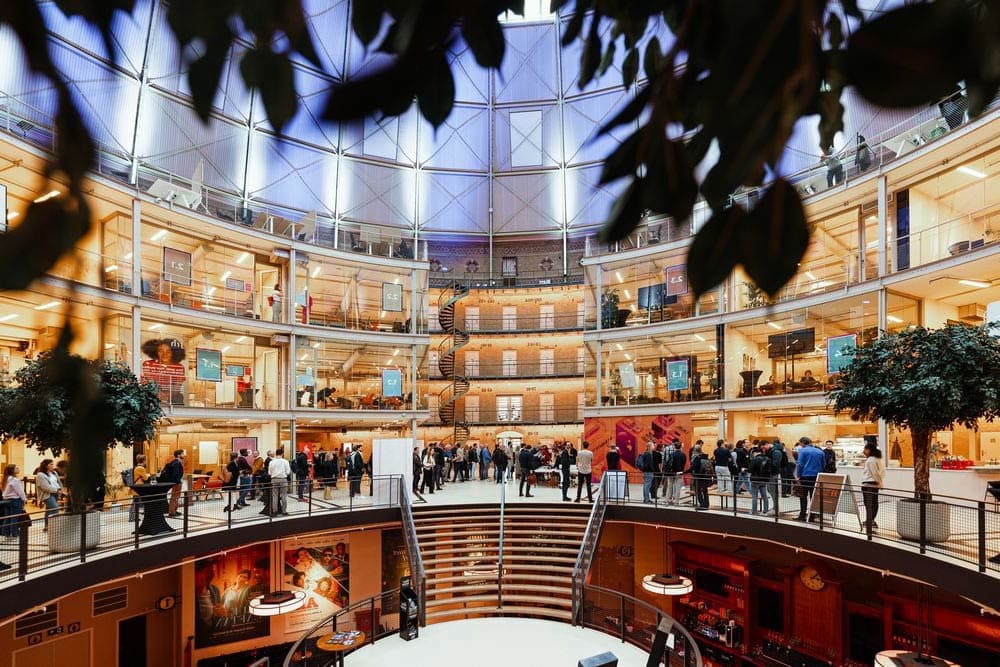
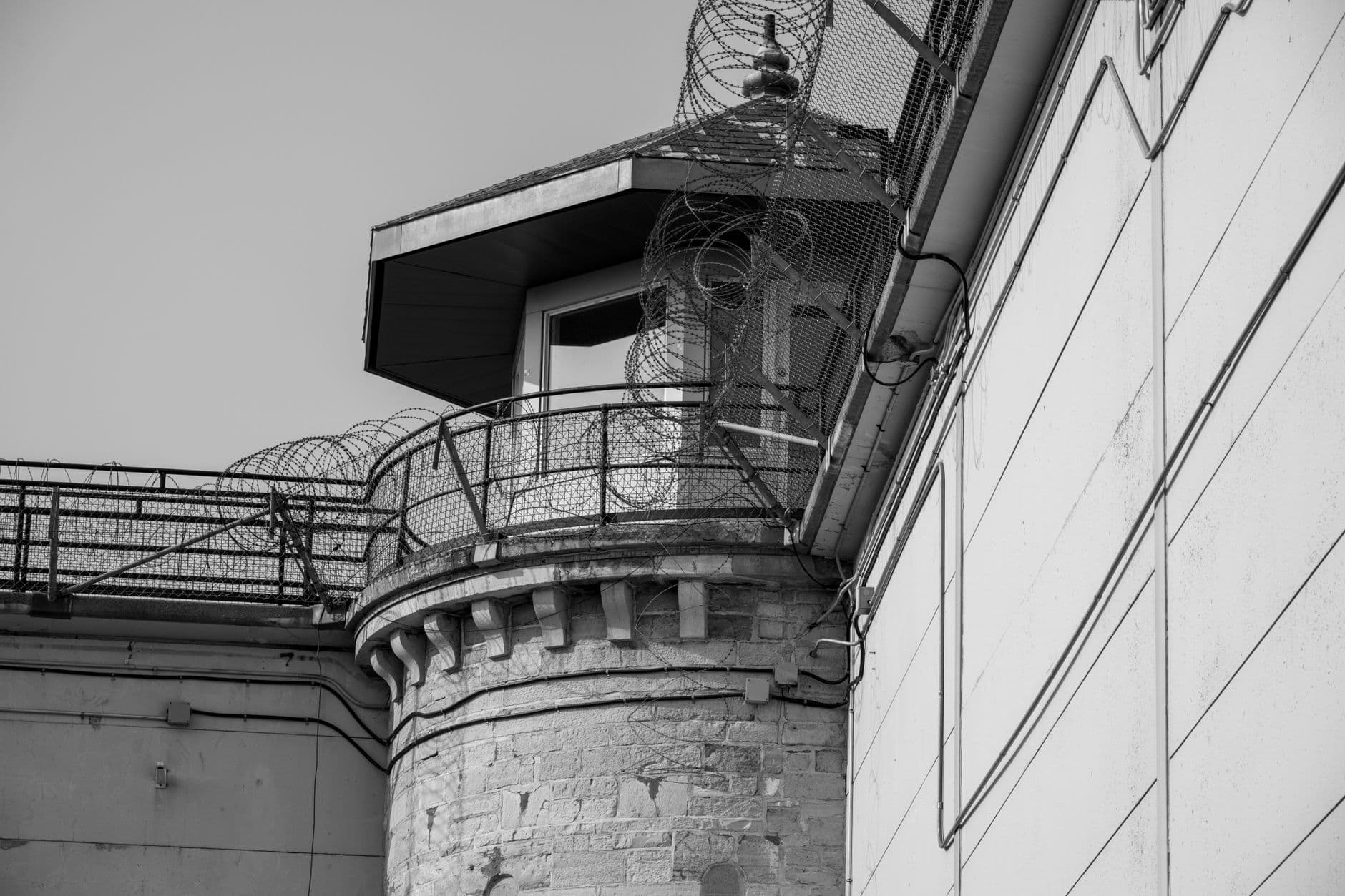
Sustainability in 3D printing gets serious when it leaves the desk and enters the room. Haarlem’s 3D Print Gallery will open its fourth exhibition, An Ocean of Possibilities for Sustainability, on July 1 in De Koepel, the former panopticon prison that has been converted into a multi-use space, and the show will run for three months.
The exhibition is built around four designers whose work centers on environmentally conscious output. Rather than leaning on the usual print-room tropes, the gallery will present large-scale furniture pieces, lighting objects and 3D printed ceramic cladding, a lineup that pushes additive manufacturing into interior, architectural and product-scale territory. That matters because it frames sustainability as a design choice with visible outcomes, not just a label attached after the fact.

The setting sharpens the message. De Koepel’s reuse as an exhibition space mirrors the kind of circular thinking the show wants to spotlight: an old prison repurposed for public use now becomes the backdrop for work about new forms of making, material experimentation and more deliberate production. The gallery’s broader mandate is to showcase innovative designers working with 3D printing, and this exhibition leans into that mission by treating the technology as a method for complete design systems, not isolated parts.
For the 3D printing community, the value is in the scale of the ideas on display. Most makers will never print ceramic cladding for a building, but the exhibition still widens the frame on what additive manufacturing can do beyond trinkets, calibration cubes and one-off novelty objects. Furniture and lighting are already familiar enough to feel reachable; ceramic cladding shows how far the process can stretch when sustainability is part of the brief from the start. In that sense, the show is not only about what gets printed in Haarlem, but about what the hobby can learn from a gallery that treats 3D printing as a serious design language.
This article was produced by Prism’s automated news system from verified source data, official records, and press releases, then run through automated quality and moderation checks before publishing. The system is built and supervised by the people who set the standards it runs under. Read our full AI policy.
Did this article answer your question?