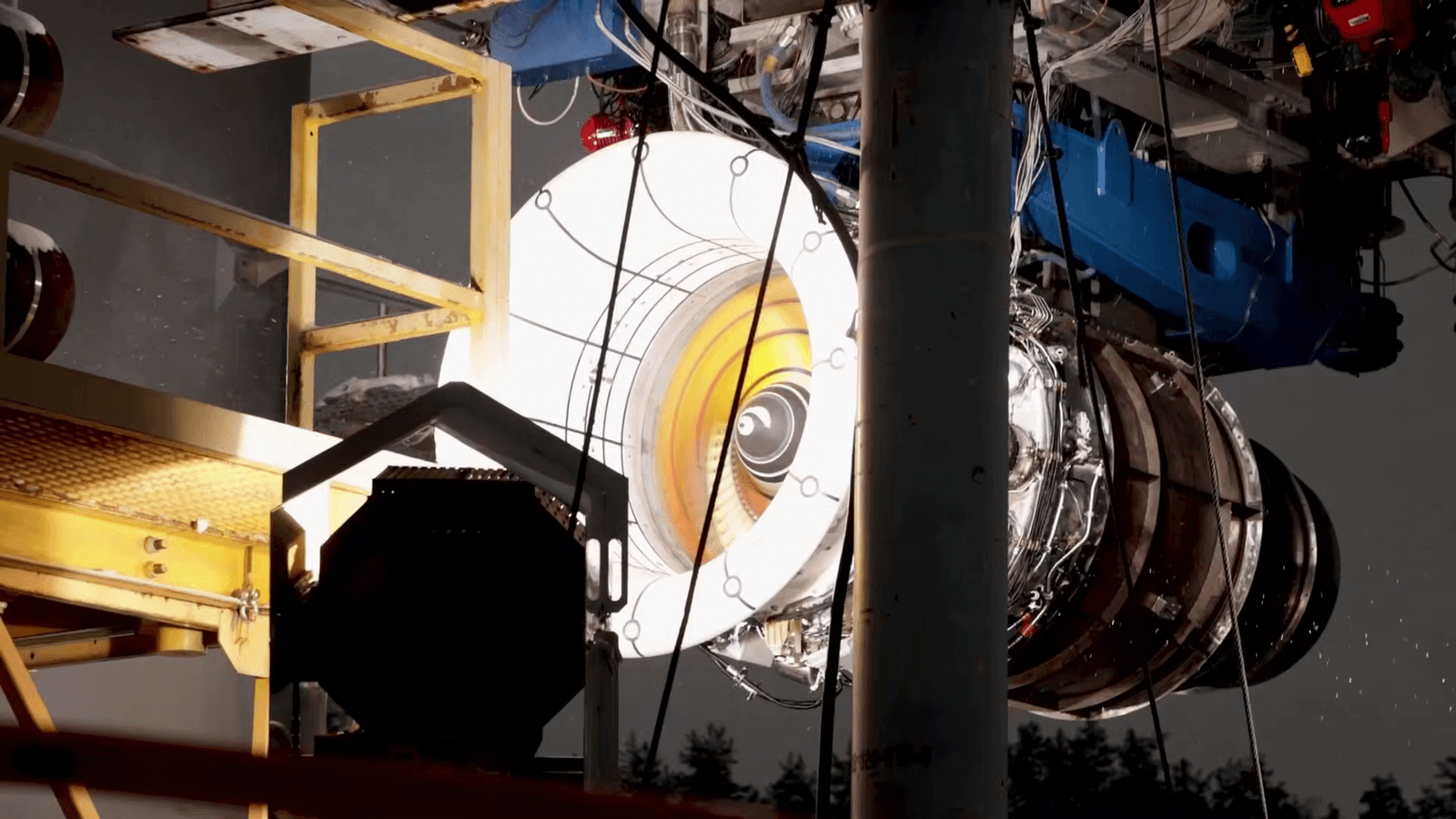
Hugging Face releases $2,500 mostly 3D-printed humanoid robot platform
Hugging Face’s LeRobot Humanoid costs about $2,500 and ships as a mostly printable biped, but the bigger story is the open stack behind it.
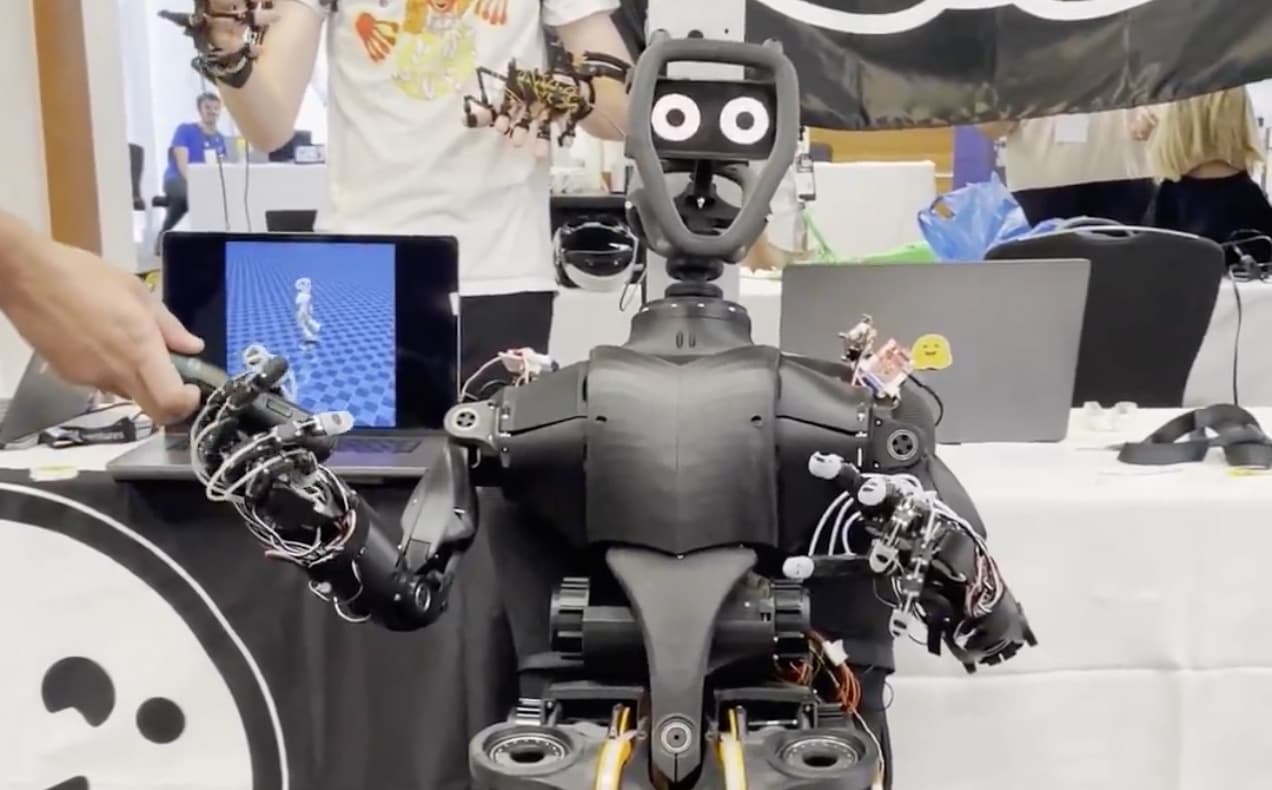
The real question is not whether Hugging Face has built another flashy robot. It is whether LeRobot Humanoid is the first serious open-source humanoid that advanced builders can print, assemble and actually experiment with without an enterprise budget. Released on May 21, 2026, the platform is pitched as a mostly 3D-printed bipedal robot that costs about $2,500 to build, with a package that goes well beyond files for a frame.
Hugging Face bundled a bill of materials, 3D-printable parts, wiring documentation, motor setup instructions, runtime tools, calibration and safety checks, simulator workflows and training environments. That mix is what gives the project its hobbyist and research appeal. It is not just a model robot sitting on a shelf; it is meant to be a reproducible machine that can be assembled, instrumented, repaired and pushed through control experiments again and again.
That approach fits the larger LeRobot strategy. Hugging Face has framed LeRobot as an open-source robotics stack for data collection, model training, simulation and real-world control, with a hardware-agnostic, Python-native interface and standardized datasets hosted on the Hugging Face Hub. In other words, the humanoid is being presented less as a polished product and more as a shared robotics workbench, one that aims to make physical AI feel closer to open-source software development.

The design choice also says a lot about where the project sits technically. LeRobot Humanoid is lower-body focused for now, with the immediate goal of validating locomotion and sim-to-real policies. Upper-body integration and more advanced whole-body capabilities are on the roadmap, but the current release is explicitly framed as an early-stage research platform. The printable parts lower the entry cost, but the control tuning, calibration and safety work remain the hard part.
That emphasis on accessibility did not appear overnight. Hugging Face launched the LeRobot code library in 2024, announced a collaboration with NVIDIA on November 6, 2024, at the Conference for Robot Learning in Munich, Germany, and released 3D-printable robotic arm hardware in 2025. It also said in 2025 that it had acquired Pollen Robotics to expand its open hardware ambitions.

For the 3D printing community, that makes LeRobot Humanoid stand out for a simple reason: it is trying to turn humanoid robotics into something closer to a desktop fabrication and learning platform than a closed lab system. The print is only the beginning, but that is exactly where this project wants builders to start.
This article was produced by Prism’s automated news system from verified source data, official records, and press releases, then run through automated quality and moderation checks before publishing. The system is built and supervised by the people who set the standards it runs under. Read our full AI policy.
Did this article answer your question?