ICON unveils track-mounted construction 3D printer for multi-story builds
ICON’s Titan Print Suite rides on tracks instead of a fixed gantry, giving builders a 70-foot print radius and redeployable multi-story output.

ICON’s Titan Print Suite shifts construction printing away from the fixed gantry and into a track-mounted format that can move from site to site, a change that gives the machine a 70-foot print radius, as little as 10 feet of lateral clearance, and a build envelope that reaches 27 feet tall. ICON’s published specs list 12,000 square feet of printable area per story, a track drive with steel shoes, a 4-boom serial arm, and a dry weight of 48,000 pounds, putting the machine in a very different class from the static systems most printers know.
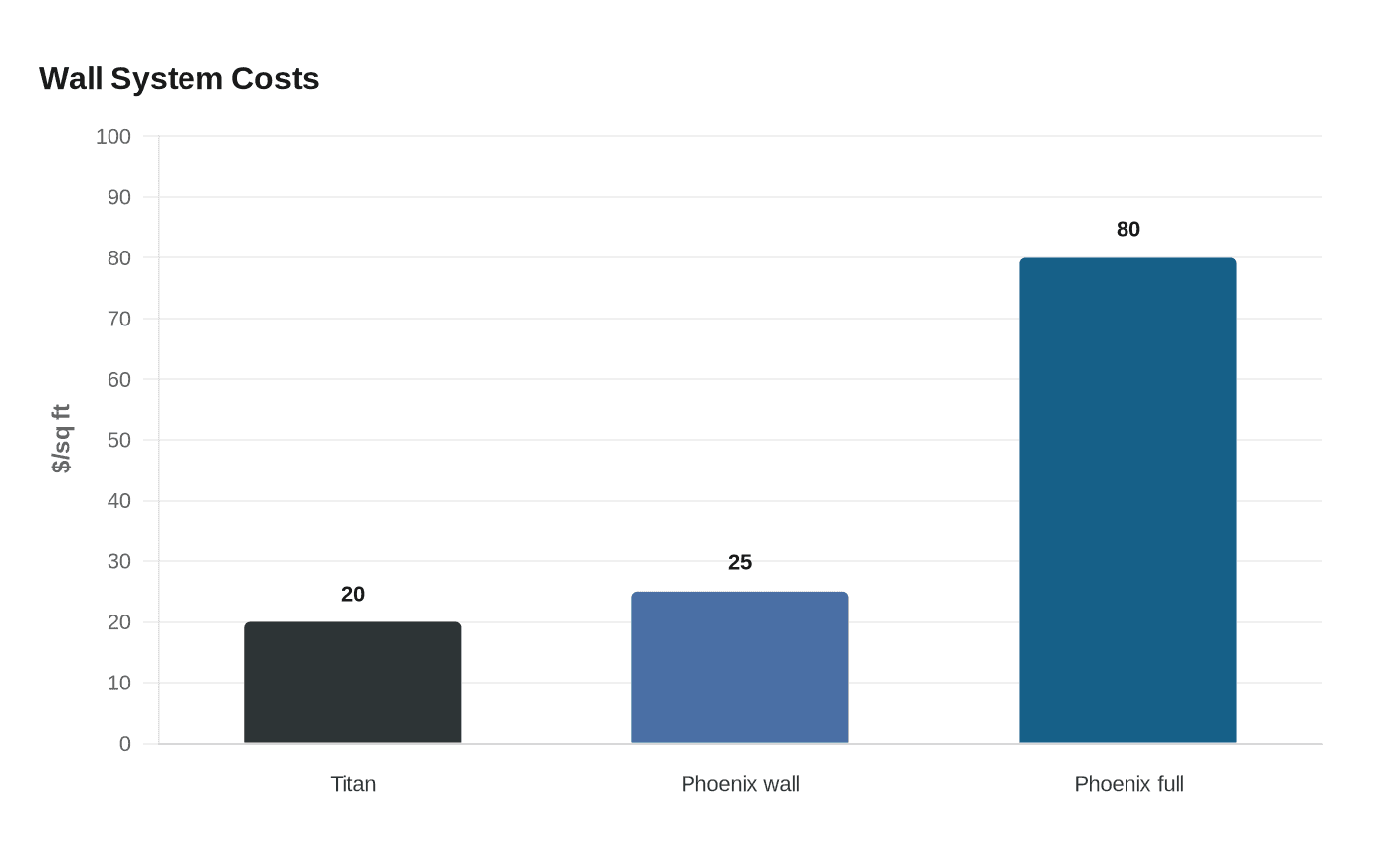
That mobility is the point. ICON is pitching Titan as a next-generation multi-story robotic construction system that can be mobilized and redeployed without permanent infrastructure, which cuts out one of the biggest limits in large-format printing: the need to build around the printer instead of moving the printer to the job. ICON says Titan can produce wall systems for about $20 per square foot, more than 40% below the national average for conventional wall systems, and that a 2,500-square-foot home can be printed in under seven days. Builders can reserve a unit with a $5,000 deposit, and ICON lists the full purchase price at $899,000, with deliveries expected to begin in 2027.
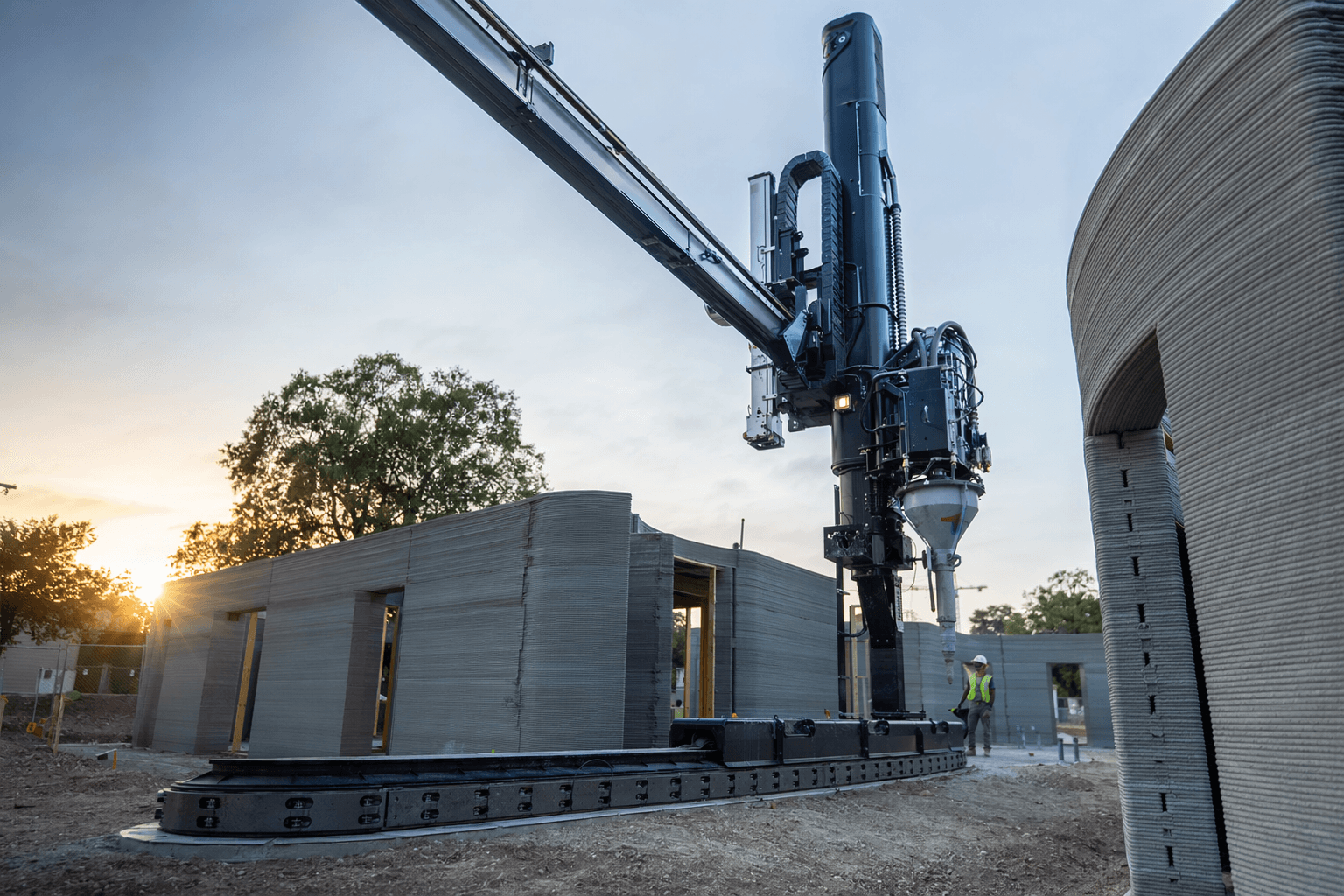
Titan also marks a clear step beyond ICON’s earlier Phoenix platform. ICON first showed Phoenix at SXSW in March 2024 as a robotic-arm-mounted multi-story construction printer, then used it to create the Phoenix House, a 27-foot-high structure displayed in Austin, Texas. At the time, ICON said Phoenix orders would start at $25 per square foot for wall systems or $80 per square foot including foundation and roof. Titan pushes further by building the motion system into a track-first machine that can be repositioned between projects rather than anchored to one permanent setup.
The company has been steadily moving from showpiece builds to production work. In March 2025, ICON announced plans for a dozen two-story homes in Austin’s Mueller community, and in January 2026 it said the U.S. Army had awarded it a $62.8 million production contract for 3D-printed barracks at Fort Bliss in West Texas. For the wider 3D printing community, Titan is more than another oversized machine. It is a reminder that scale is not only about bigger dimensions, but about motion architecture, and about whether a printer’s frame, rails, and deployment footprint become the bottleneck long before the material does.
Know something we missed? Have a correction or additional information?
Submit a Tip