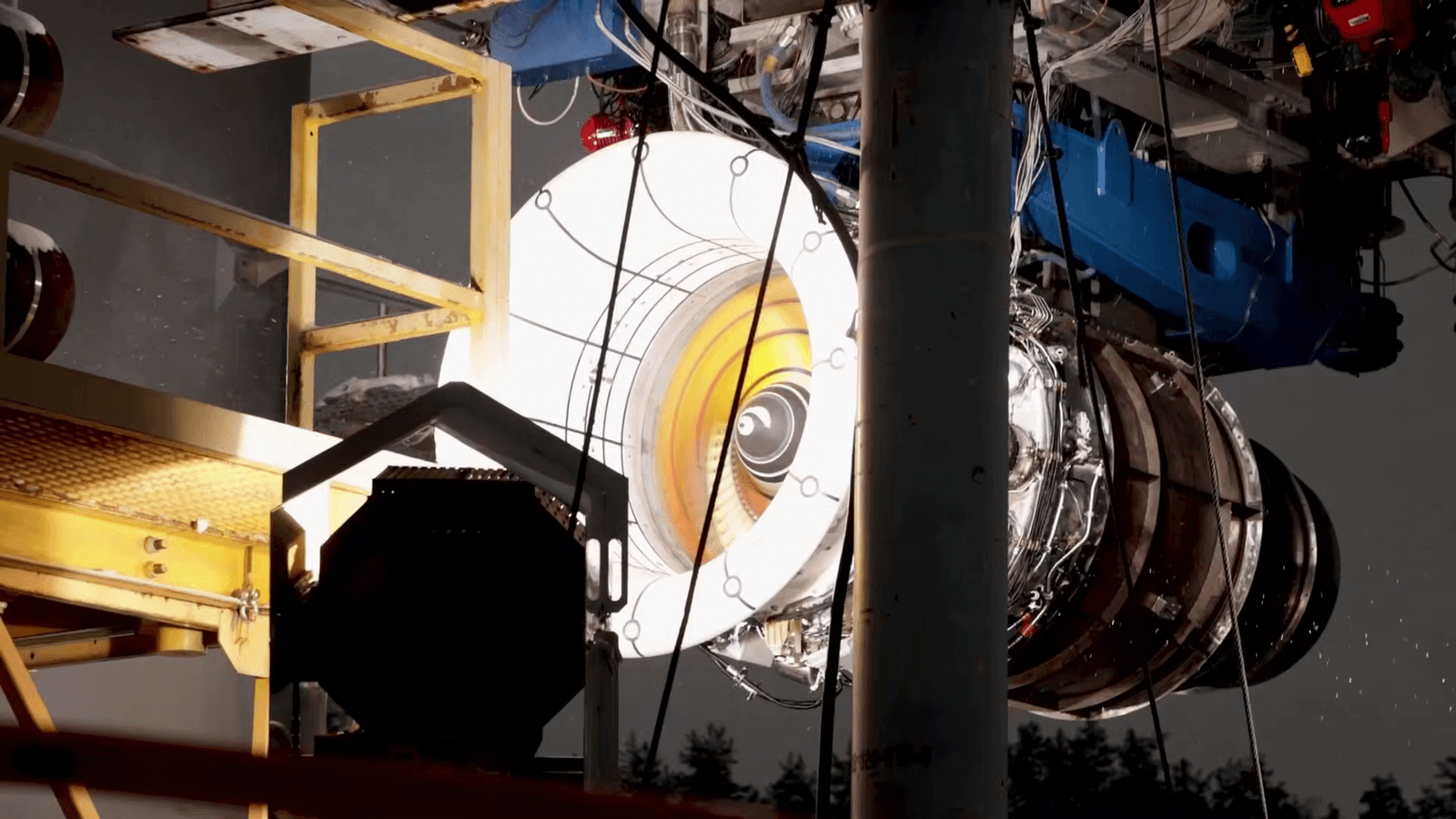
Interspectral and Pankl expand partnership to improve metal 3D printing reliability
Pankl will test AM Explorer in live production, pushing metal AM toward predictable qualification instead of print-and-hope workflows.
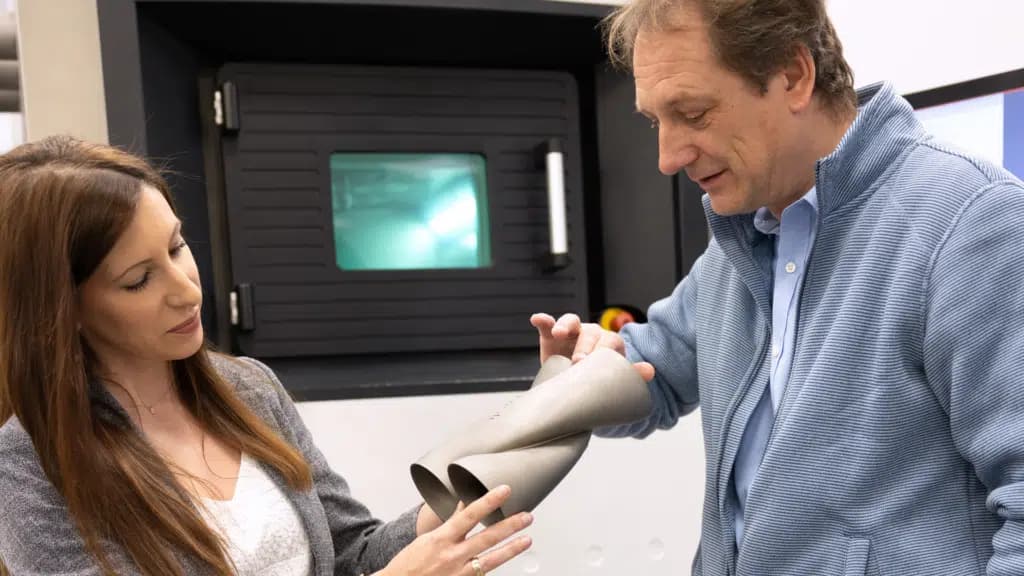
Metal additive manufacturing can make impressive parts, but the real hurdle is knowing, in the middle of a build, whether the part is still good enough to finish. Interspectral and Pankl Racing Systems are betting that better in-process QA is what turns metal AM from print-and-hope into predictable production. Their expanded collaboration, announced May 18, puts Pankl inside Interspectral’s AM Explorer roadmap as both a reference customer and a strategic development partner.
The new setup pushes AM Explorer deeper into Pankl’s operations to support anomaly detection, qualification workflows, data integration, and real-time monitoring. Interspectral says the platform is built for metal additive manufacturing and fuses simulation data, in-situ monitoring, and post-build inspection into one analytics and visualization layer. Its AM Explorer ENTERPRISE package goes a step further, combining real-time monitoring, AI-powered defect detection, and deep post-build analytics in one connected ecosystem.

That is the point of the partnership. Instead of treating inspection as a final pass or a lab exercise, Interspectral gets to test its software in a real production environment where parts have to meet demanding performance targets. The companies also said they will explore AI-driven defect detection, optical tomography analysis, and correlation across multiple data sources, all aimed at helping operators decide whether a build should continue, be adjusted, or be flagged for review. For Pankl, which works across racing, luxury and high-performance automotive, and aviation, that kind of feedback loop matters because repeatability and traceability are what make metal AM usable at industrial scale.
Both companies come at the problem with established credibility. Interspectral was founded in 2014 and is headquartered in Sweden, with local sales teams in Germany, Italy, and the UK. Pankl Racing Systems says its Racing segment dates back to 1985, and its operations in Kapfenberg and Bruck an der Mur sit close to the high-performance sectors that depend on tight process control. The company has also said additive manufacturing already plays a role in many Formula One applications, especially for aerodynamics and roll bars, where geometry alone is not enough without dependable quality assurance.
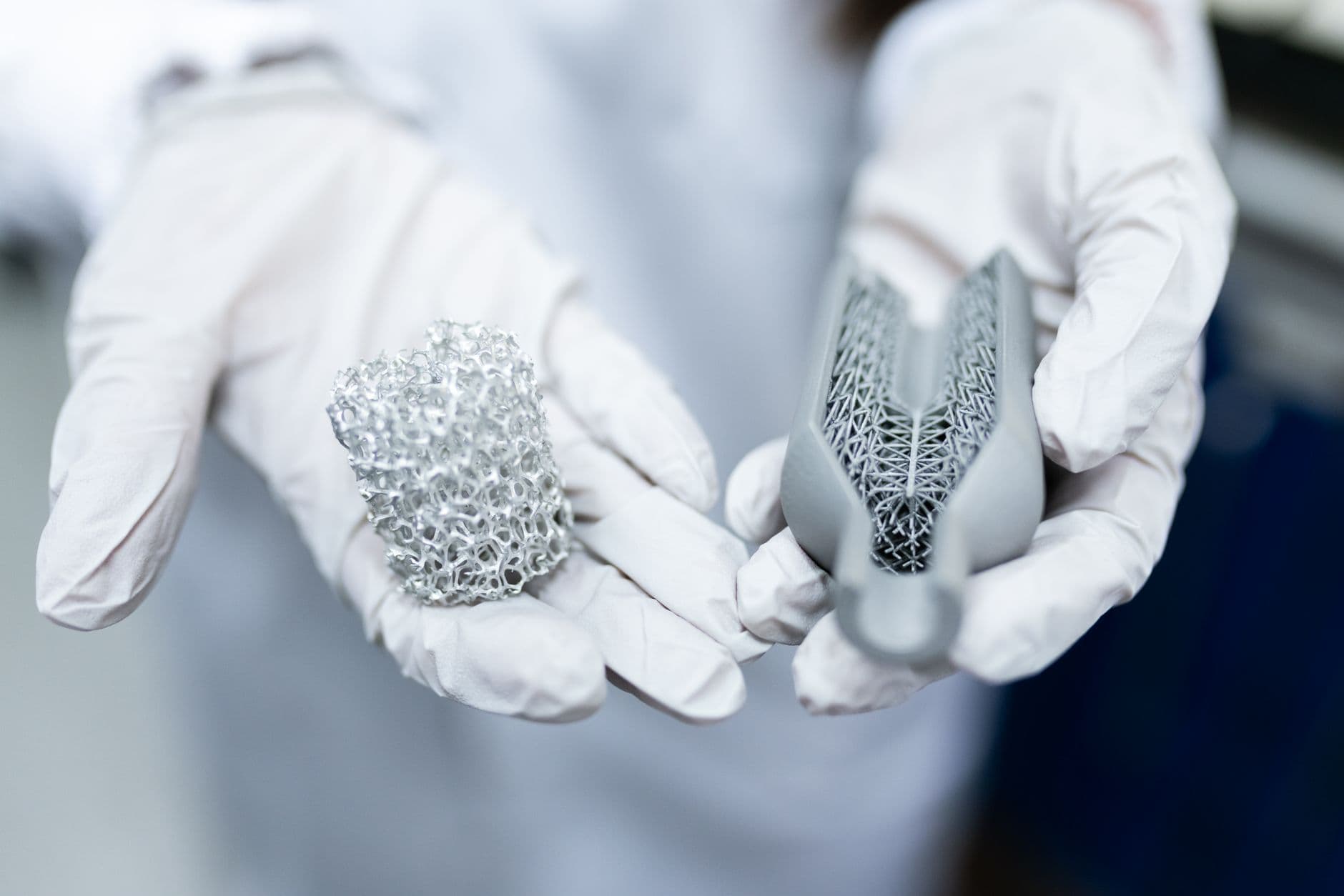
The collaboration builds on a broader run of industrial AM activity around Interspectral. GKN Aerospace integrated AM Explorer at its Engine Systems Centre of Excellence in Trollhättan, Sweden, and Interspectral launched AM Explorer Suite in November 2025 with four products, QUALIFY, DETECT, MONITOR, and ENTERPRISE, to cover the workflow from in-situ monitoring to large-scale production qualification. That is why this partnership matters beyond the logo pairing: it is another step toward making metal AM look less like a special project and more like a manufacturing process that can be trusted build after build.
This article was produced by Prism’s automated news system from verified source data, official records, and press releases, then run through automated quality and moderation checks before publishing. The system is built and supervised by the people who set the standards it runs under. Read our full AI policy.
Did this article answer your question?