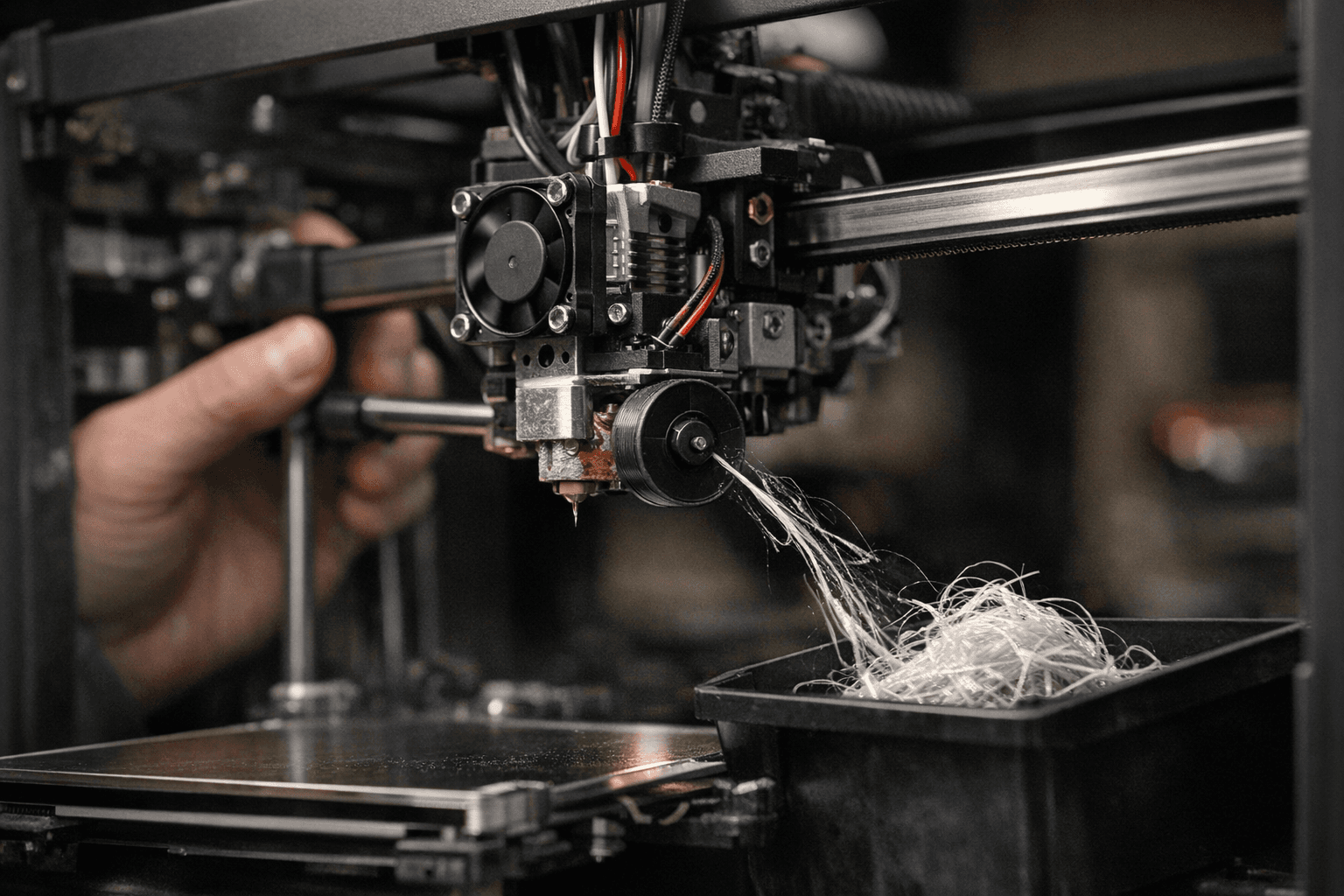
Iran studies Ukraine’s 3D-printed drone tactics for asymmetric warfare
Iran studied 300-plus Ukrainian war articles as 3D-printed parts and cheap drones turned desktop fabrication into battlefield supply. Kyiv now lists 170-plus domestic components.
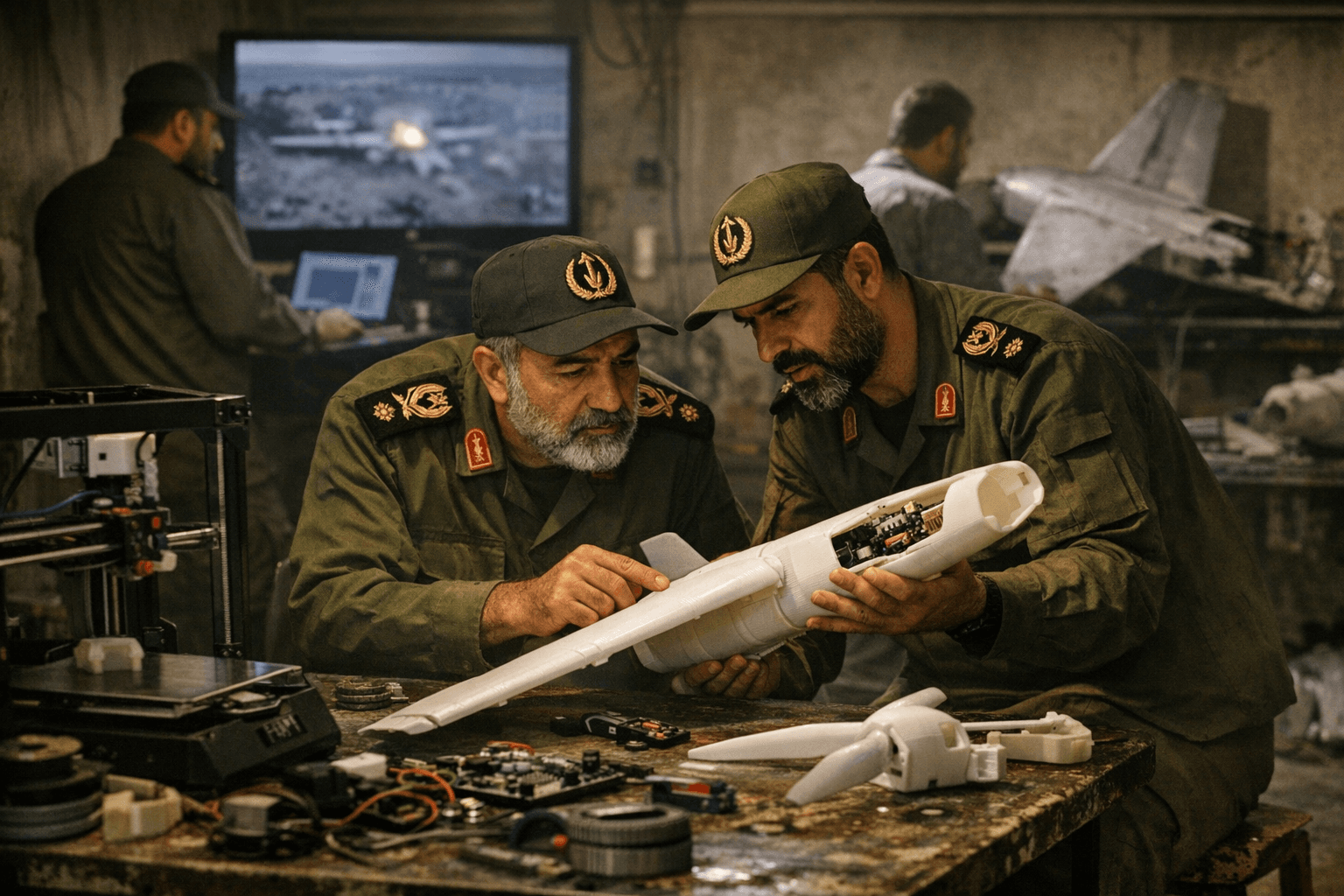
Iran has been studying more than 300 Ukrainian war articles as the battlefield’s add-on parts economy reshapes what a smaller force can build, field and replace. The lesson is not a single drone model. It is the speed, low cost and distributed nature of additive manufacturing and light industrial production, now treated as a wartime advantage against larger powers.
Ukraine’s drone ecosystem has evolved far beyond a central factory model. Private manufacturers, volunteer workshops and defense-backed enterprises now feed the pipeline, turning the country into a distributed industrial network rather than a purely state-run program. In September 2025, the Ukraine Ministry of Defence said its secure Library of Components gave domestic weapons and military equipment makers access to more than 170 Ukrainian-made parts and services, including FPV drone frames, flight controllers, propellers, antennas and battery packs. For the additive manufacturing crowd, that is the tell: local sourcing, rapid iteration and digital coordination have moved from maker culture into defense logistics.
That shift has changed the numbers as much as the methods. Ukrainian officials have said the country was on track to manufacture millions of military-use drones in 2025, a scale that would have sounded fanciful before the war compressed design cycles and normalized mass production of cheap, expendable systems. The battlefield now rewards volume, redundancy and repairability as much as exquisite hardware. What matters is whether a frame can be produced quickly, a controller replaced locally and a fleet kept moving when imports are cut off.
The export market has followed the same logic. Reuters reported on March 7, 2026, that Ukrainian interceptor-drone makers had received enquiries from the United States and the Middle East amid the Iran war, and Reuters reported again on March 30, 2026, that Ukraine’s drone-interception expertise was being marketed abroad as countries in the Gulf region and beyond showed interest. President Volodymyr Zelenskyy said several countries in the region had shown interest in Ukrainian know-how and hardware, a sign that the same systems built to blunt Russian and Iranian Shahed-style threats are now being packaged for buyers elsewhere.
Iran’s relevance in this story is structural as much as tactical. Its long-standing resistance economy has relied on dispersed production, domestic substitution of imports and workarounds to sanctions pressure, including barter and localized manufacturing. That model is now being tested by war and, in part, mirrored by Ukraine’s distributed wartime production. The hobby-grade lesson stops at the workflow, not the weapon: decentralized fabrication has become a strategic tool, and in the drone age, that can matter as much as scale.
Know something we missed? Have a correction or additional information?
Submit a Tip