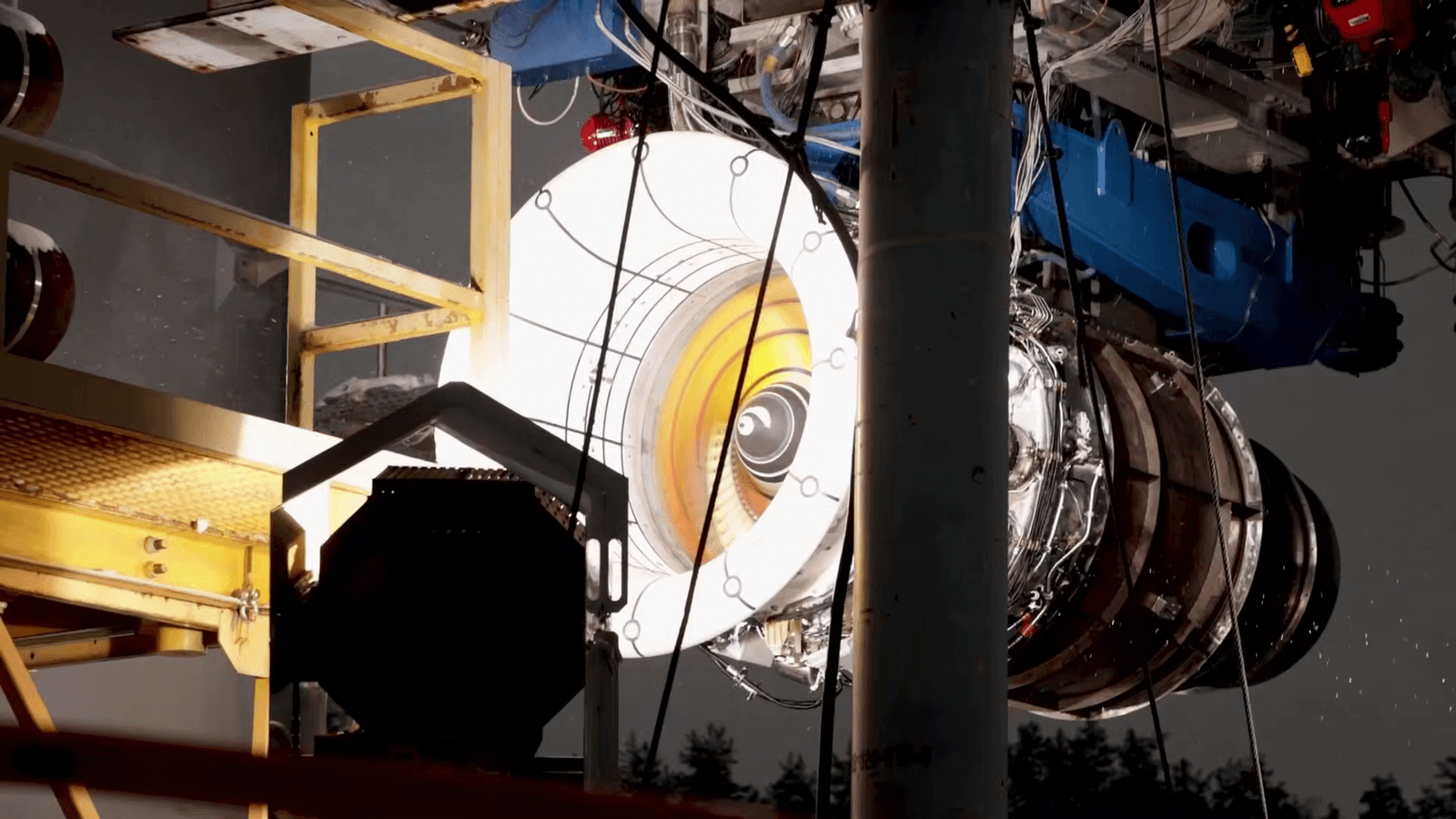
Jan Roetz breaks the one-minute Benchy barrier with extreme-speed printing
Jan Roetz pushed his Minuteman project past one minute after years of chasing a tiny Benchy that exposed motion, cooling, and flow limits on every FDM machine.
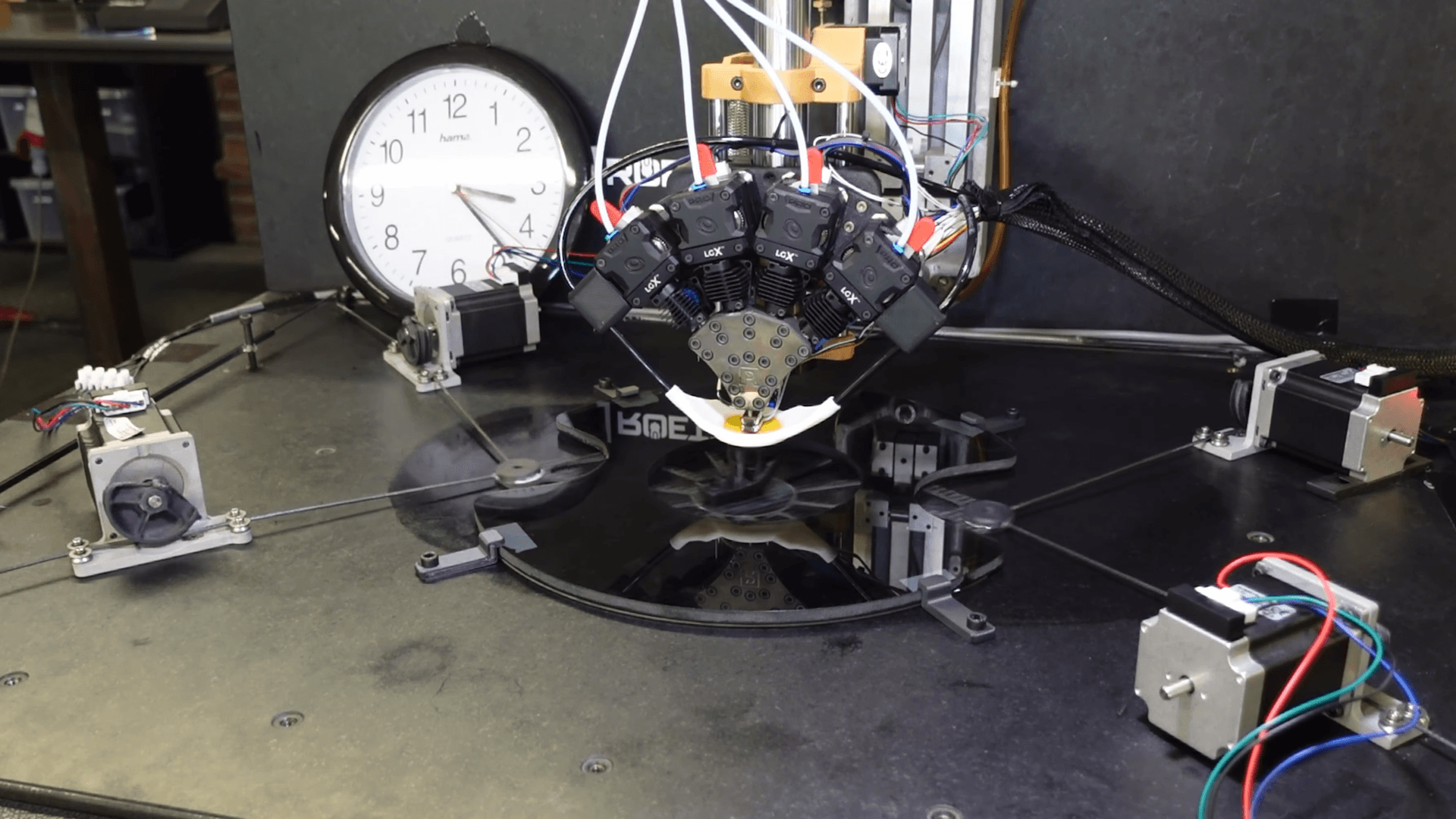
A Benchy under one minute stopped being a stunt and became a lesson in where FDM speed actually comes from. Jan Roetz finally broke the barrier with his Minuteman project after starting the challenge in 2024, turning the little calibration boat into a hard-edged test of motion, extrusion, and cooling.
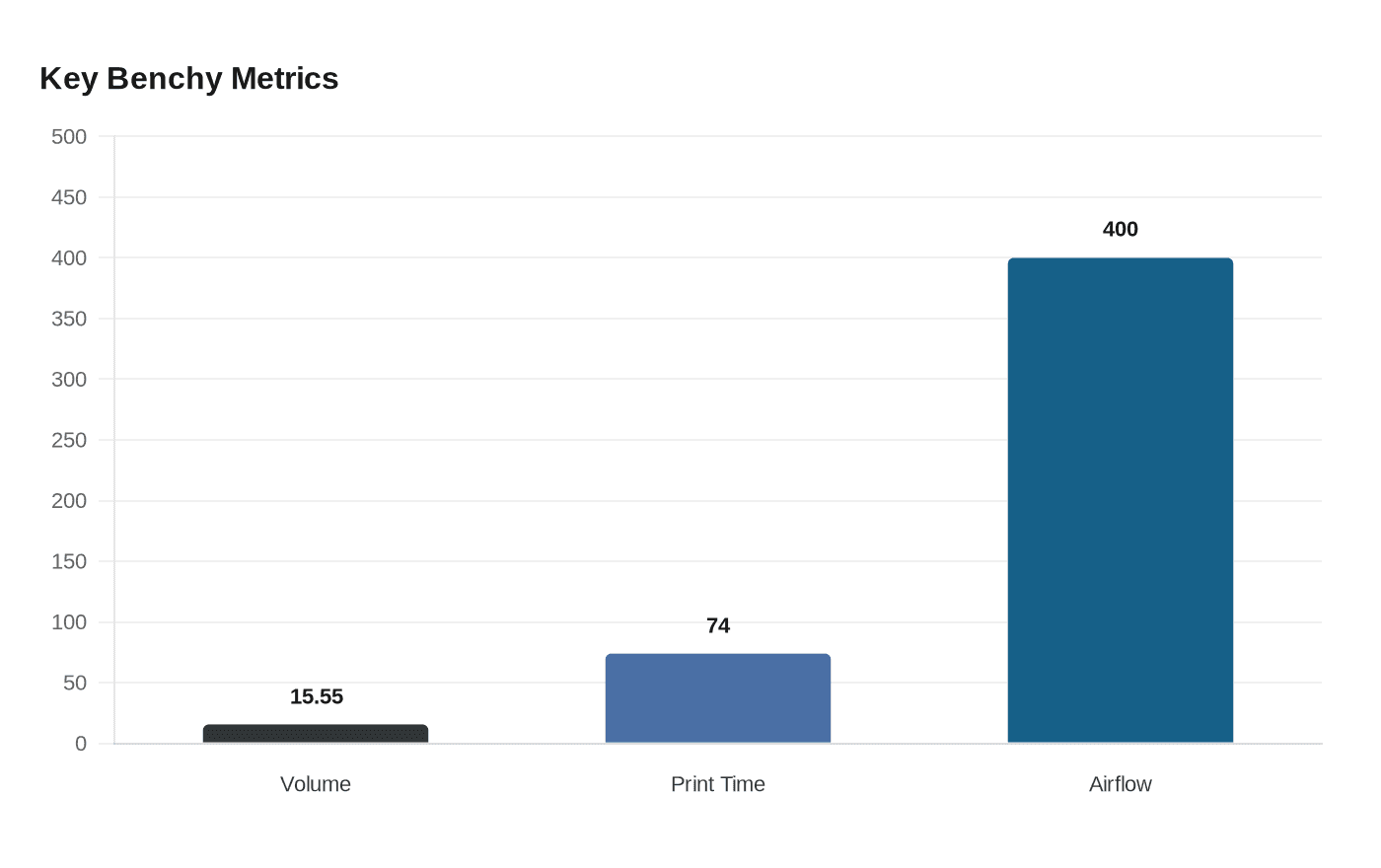
That matters because #3DBenchy was never meant to be a toy. The model is designed to test and calibrate 3D printers, and its 15.55 cm3 volume normally prints in well under two hours on ordinary machines. Its famous hull line, documented in Prusa Research’s troubleshooting guide, shows up across printers, slicers, and materials, which is exactly why the Benchy remains such a useful torture test even when a machine looks dialed in.

Roetz’s route to the sub-minute mark made the bottlenecks plain. The project moved through air-bearing print beds, dry ice cooling, multi-filament hotends, liquid nitrogen cooling, water-spray cooling, helium cooling, and later “world record pace” dry runs. By March 2026, he had already printed a Benchy in 74 seconds, and later coverage put the Minuteman cooling airflow at about 400 liters of air per minute. At that point, the weak link had shifted away from the hotend and cooling and toward the motion system itself.
That progression is the useful part for normal makers. It shows that faster printing is not just a slicer setting or a bigger heater block. A printer has to move fast enough, push enough plastic, and freeze each layer before the next pass arrives. Roetz could solve those problems only by building far outside the bounds of a stock desktop machine, which is why the extreme hardware is not a template for the average shop. Liquid nitrogen, helium, and air-bearing beds are engineering experiments, not realistic upgrades for most hobby printers.
Still, the takeaway is direct: if a fast profile starts ringing, blobbing, or washing out detail, the limit may be motion, flow, or cooling, not the file. Roetz’s one-minute chase made the Benchy useful all over again, not as a record badge, but as a brutal reminder that the path to reliable speed still runs through the same three choke points every printer has to respect.
This article was produced by Prism’s automated news system from verified source data, official records, and press releases, then run through automated quality and moderation checks before publishing. The system is built and supervised by the people who set the standards it runs under. Read our full AI policy.
Did this article answer your question?