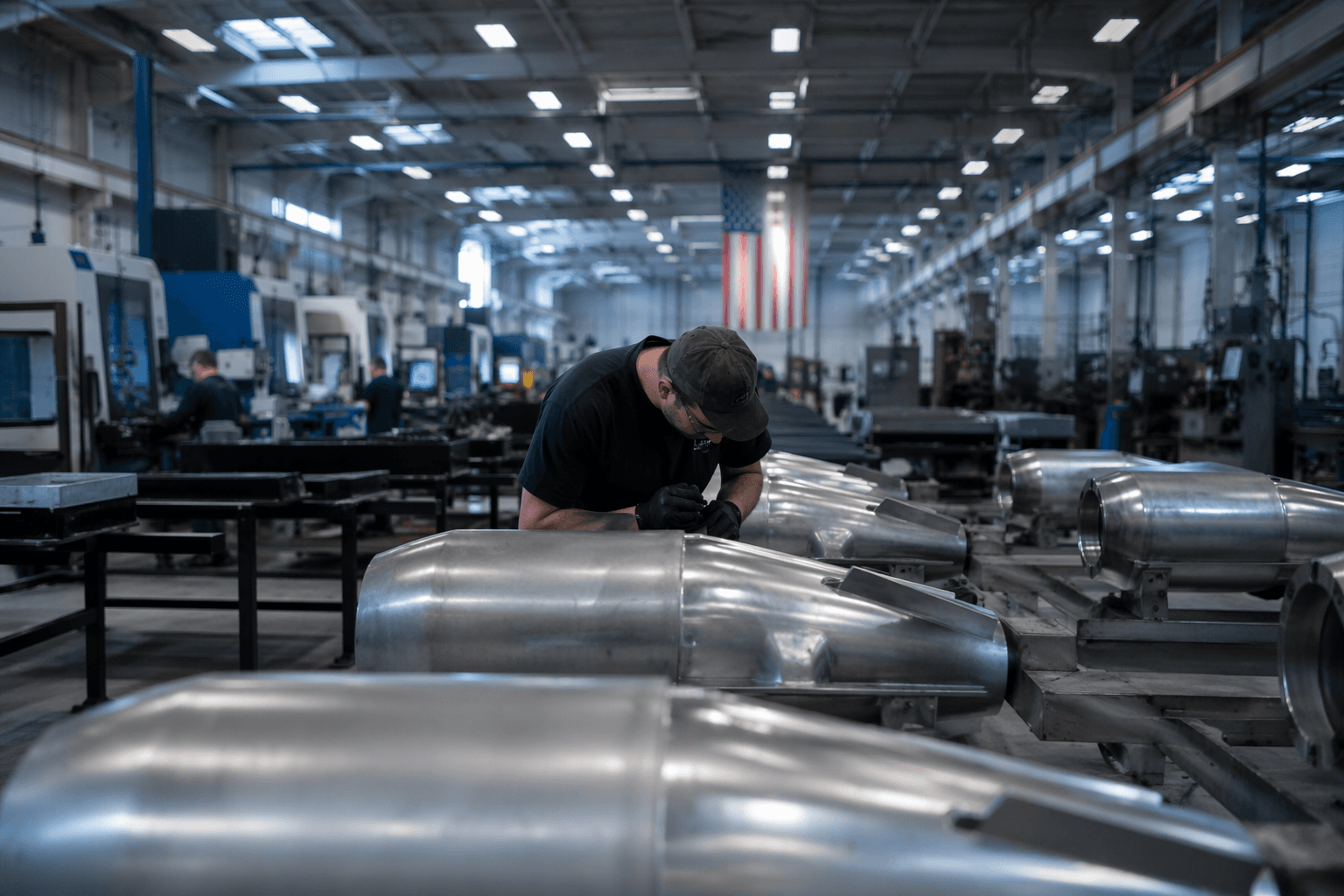
Lynxter and igus unveil specialized 3D-printing materials for new applications
Food-safe silicone and PFAS-free motion plastics pushed 3D printing past PLA into seals, sliding parts, and wear surfaces. Most of the payoff is industrial for now, but the application list is getting much more practical.
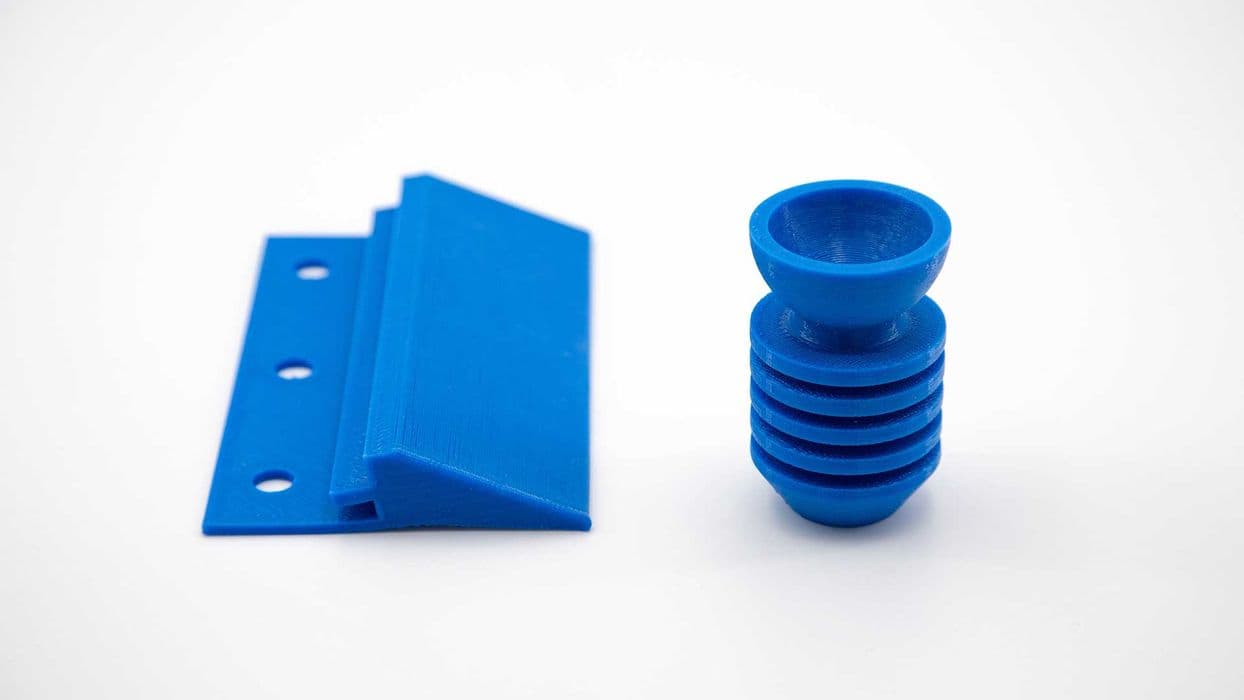
A gasket that has to survive heat, repeated cleaning, and food contact is a very different problem from a decorative print, and that is exactly where Lynxter and igus pushed this week’s material news. Lynxter launched SIL-004, which trade coverage described as a food-grade silicone for industrial 3D printing, while igus rolled out a wider batch of PFAS-tested motion plastics and wear-focused materials built for parts that rub, slide, and move.
Lynxter’s move matters because silicone printing is already a real production lane, not a demo. The company says it has printed more than 100,000 silicone parts and sells silicone printers in 43 countries. Its SIL-001 material is a ready-to-use, two-component RTV2 silicone for industrial 3D printing, and SIL-002 is positioned as a flexible workhorse for masking, soft robotics, actuators, and flexible mechanisms. That older work also explains the gap Lynxter is trying to close. The company has said silicone is ideal for customized parts in demanding applications, but surface finish can still limit function in some sectors, so chemistry still matters even when the printer hardware is already there.

SIL-004 is the biggest step in that direction. Reports say Lynxter describes it as the world’s first directly 3D-printable silicone compliant with FDA CFR 21 177-2600 food-contact standards, and that it is free from BPA and PFAS. The target use case is not trinkets or cosplay parts. It is food-processing hardware, custom seals, and other components that may face fatty or aqueous substances plus aggressive cleaning cycles, exactly the kind of niche where molded silicone has traditionally held the line.
igus, meanwhile, is pushing a different frontier: wear. The company says its 2026 lineup includes 227 new products, and that the looming PFAS ban is a major reason it has been developing PTFE-free alternatives early. On the 3D-printing side, igus says its iglide materials can be up to 50 times more wear-resistant than standard printing materials and can run without additional lubricant, which is the kind of claim that gets attention when you are printing gears, bushings, or sliding components that actually have to cycle thousands of times. igus also says its DLP resin is the world’s first wear-resistant DLP resin, with service life 30 to 60 times longer than conventional resins, and that many iglide materials are PTFE-free, with no traces of 96 important PFAS substances detected in other iglide materials.
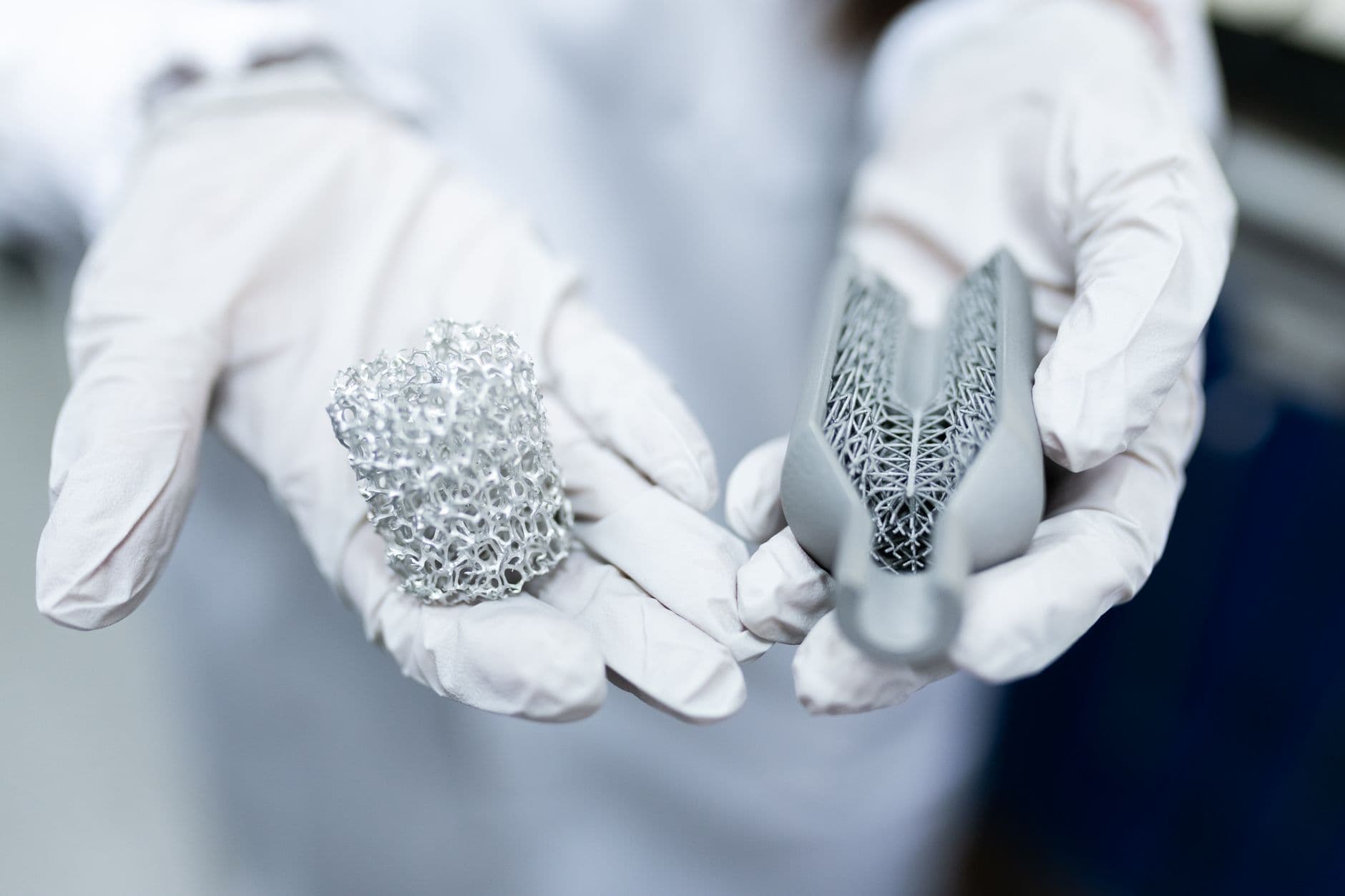
For desktop owners, the short answer is clear: this is mostly industrial relevance today, not an instant garage-shop revolution. But it is still useful news, because silicone seals, flexible interfaces, low-friction guides, and longer-wearing moving parts are the same kinds of failures that push hobby prints from “finished” back to the workbench.
This article was produced by Prism’s automated news system from verified source data, official records, and press releases, then run through automated quality and moderation checks before publishing. The system is built and supervised by the people who set the standards it runs under. Read our full AI policy.
Did this article answer your question?