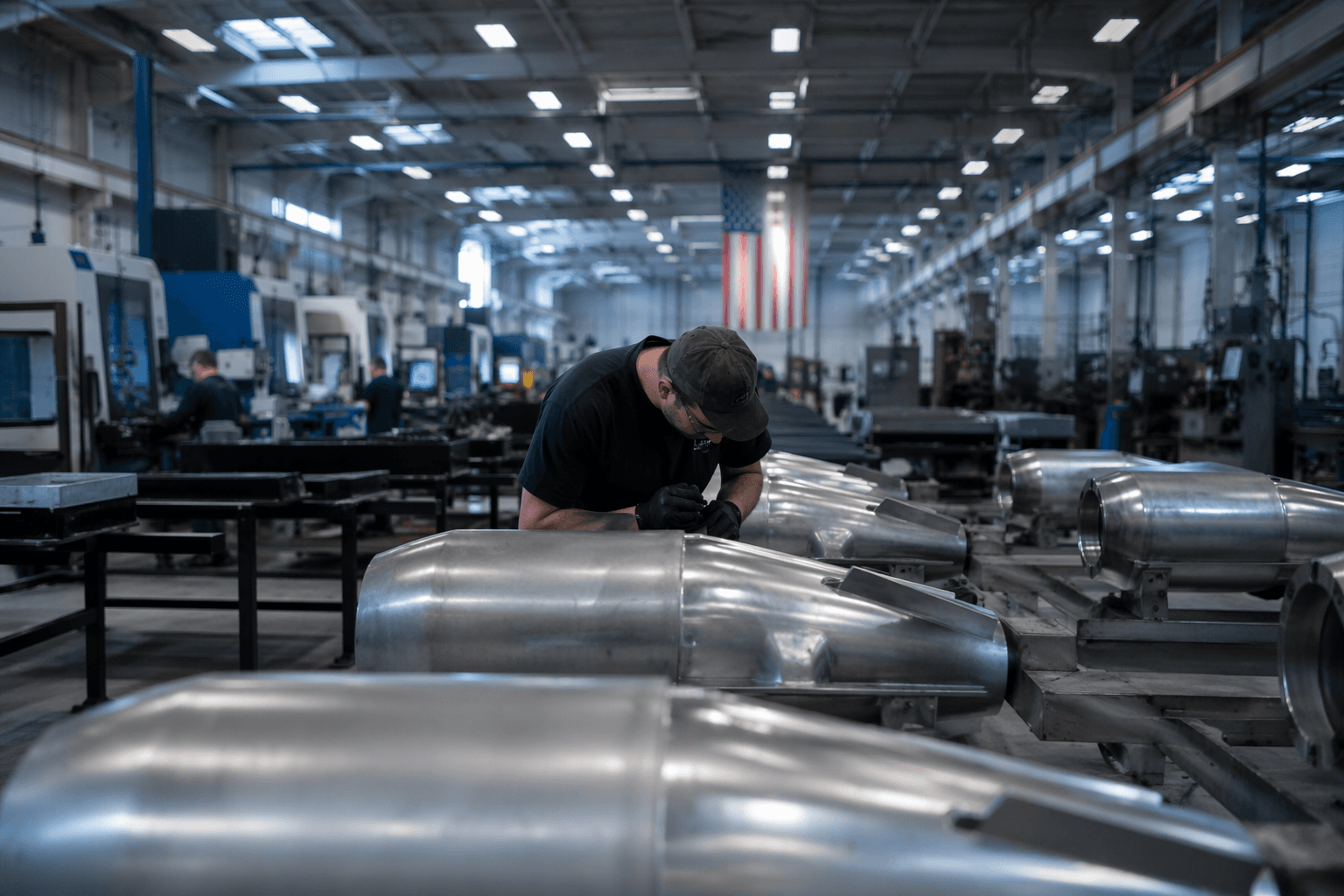
Meltio’s hybrid metal printer combines wire and powder for faster repairs
A viral Meltio demo spotlights wire-and-powder metal printing for repairs, feature adds and near-net-shape parts, not just flashy industrial builds.
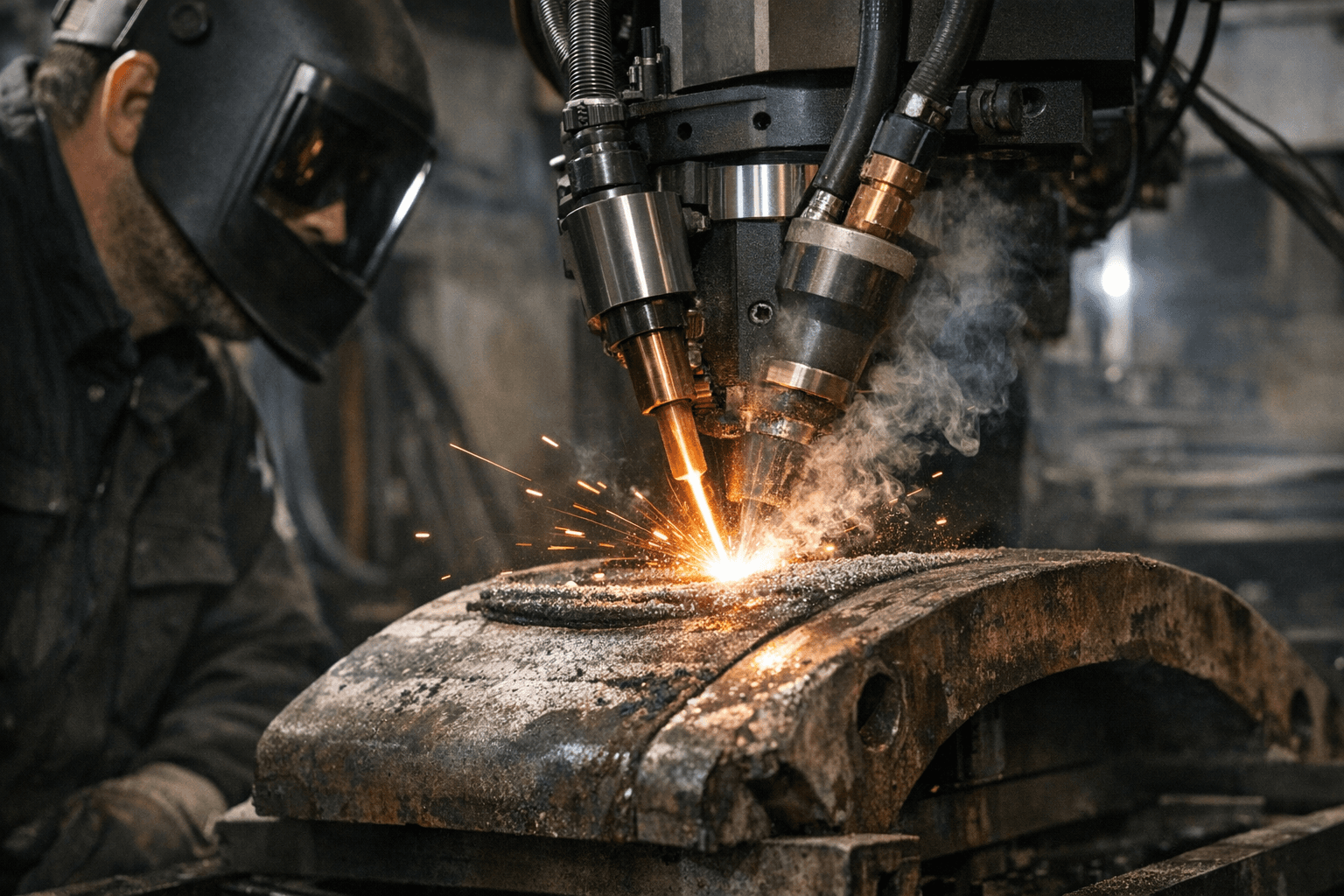
Meltio’s latest viral demo is drawing attention for a reason that goes well beyond machine spectacle: it shows hybrid metal printing being used as a repair tool. The Spanish company’s wire-laser metal deposition systems combine a patented coaxial wire feed with multi-laser heads, and Meltio is pushing that setup as a faster, safer way to rebuild worn metal parts, add features and move directly from print to machining.
Founded in 2019 and based in Linares, Spain, Meltio has built its pitch around wire rather than the powder beds that dominate much of metal additive manufacturing. The company says its process avoids airborne powder hazards, is simpler to handle, and can deliver parts with properties comparable to traditional casting or forging. For a shop floor, that matters as much as raw print quality. Wire feedstock is easier to store, easier to move and less fussy than powder, which is exactly why Meltio has framed its platform as affordable, easy to use and practical for education, research and production.
The company’s hybrid story has also become its real hook. Meltio markets the Engine CNC integration kit as a near-net-shape manufacturing system for repair and feature addition, designed to put metal 3D printing and machining into a single process step. That same integration mindset extends to CNC machines, robotic arms and gantry systems, where Meltio sees the technology as a fit for aerospace, automotive, defense, mining, oil and gas and other industrial environments that care about repeatable results and downtime measured in hours, not weeks.
Meltio has kept expanding that platform. On November 19, 2024, at Formnext in Frankfurt, the company introduced the Meltio Engine Blue, an integration kit for industrial robot arms and vertical machining centers. Earlier, on March 12, 2024, it launched the M600, saying the machine was meant to tackle long lead times and costly stock-keeping. By February 2025, industry reporting said Meltio had passed 500 printer sales and posted 50% revenue growth in 2024, an indicator that the company’s repair-first message was resonating well beyond lab prototypes.
That is why the demo matters to the broader 3D printing crowd. Even if most desktop users never touch an industrial wire-laser system, the expectations it sets are already moving downstream: more repairability, less wasted material, and workflows that can print, add material and machine a part without changing tools. In metal AM, those are the capabilities that turn a showpiece into a production habit.
This article was produced by Prism’s automated news system from verified source data, official records, and press releases, then run through automated quality and moderation checks before publishing. The system is built and supervised by the people who set the standards it runs under. Read our full AI policy.
Did this article answer your question?