Metal Powder Works and Westinghouse scale nuclear 3D printing qualification
Metal Powder Works and Westinghouse moved from trial work to a three-month push on powder qualification, where feedstock control matters more than the machine itself.

The biggest story in nuclear additive manufacturing was not a new printer or a bigger build plate. It was powder.
Metal Powder Works and Westinghouse Electric Company moved their collaboration into a new phase built around qualification, the slow, high-stakes work that turns metal AM from promising to repeatable. The companies said earlier phases of the partnership had already gone well, and the next three months were aimed at improving powder-making capability for Westinghouse while raising the Technology Readiness Level of components under development. In a field where a tiny shift in feedstock can ripple through the whole part, that is the part of the process that matters.
Metal Powder Works is based in Pittsburgh and was founded in 2017 by veterans of the aerospace and defense markets. Its DirectPowder process starts with metal bar stock and turns it into powder feedstock for additive manufacturing, cold spray and powder metallurgy without melting the material. That non-thermal route is the point: less heat can mean less contamination risk, different economics than atomized powder routes, and a cleaner path to switching materials without rebuilding an entire production line. The company says DirectPowder is patented, represents the first major innovation in powder manufacturing in more than 50 years, and can support flexible quantities, easy powder changeover and up to a 90% reduction in CO2.
Westinghouse has been laying the groundwork for this kind of materials work for years. In 2015, it said it carried out the first-ever material irradiation study of AM nuclear components. In 2020, it installed what it called the first safety-related AM component in an operating commercial reactor, a thimble plugging device at Exelon’s Byron Unit 1 during a refueling outage. By March 2024, it said it had produced its 1,000th AM component for VVER-440 fuel. Westinghouse later said AM-fabricated bottom nozzles were integrated into four lead test assemblies delivered to Alabama Power’s Joseph M. Farley Nuclear Plant in the first quarter of 2024.
That track record helps explain why Westinghouse is focused on materials qualification rather than machine theater. The company has said its AM program is meant to improve industry competitiveness, cut component manufacturing costs, enable new products and services, and improve performance, reliability and delivery schedules. In an October 2023 NRC workshop presentation, Westinghouse said it had also partnered with Oak Ridge National Laboratory under a DOE NE GAIN Voucher project to build a generative design and optimization process for advanced nuclear components.
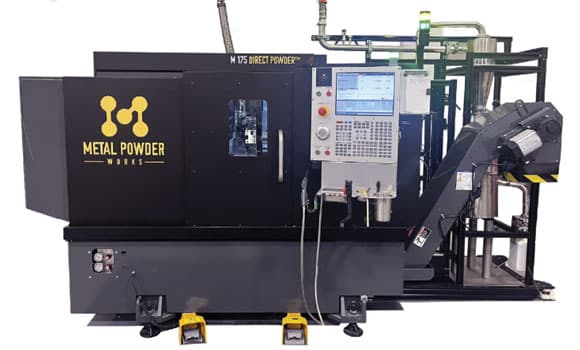
Metal Powder Works later said in its June 2025 quarterly report that it had signed a supply contract with Westinghouse to assess its powders for use in additively manufactured nuclear components. For metal AM, that is the lesson hiding in plain sight: dependable production starts with the powder, not the headline-grabbing machine.
This article was produced by Prism’s automated news system from verified source data, official records, and press releases, then run through automated quality and moderation checks before publishing. The system is built and supervised by the people who set the standards it runs under. Read our full AI policy.
Did this article answer your question?