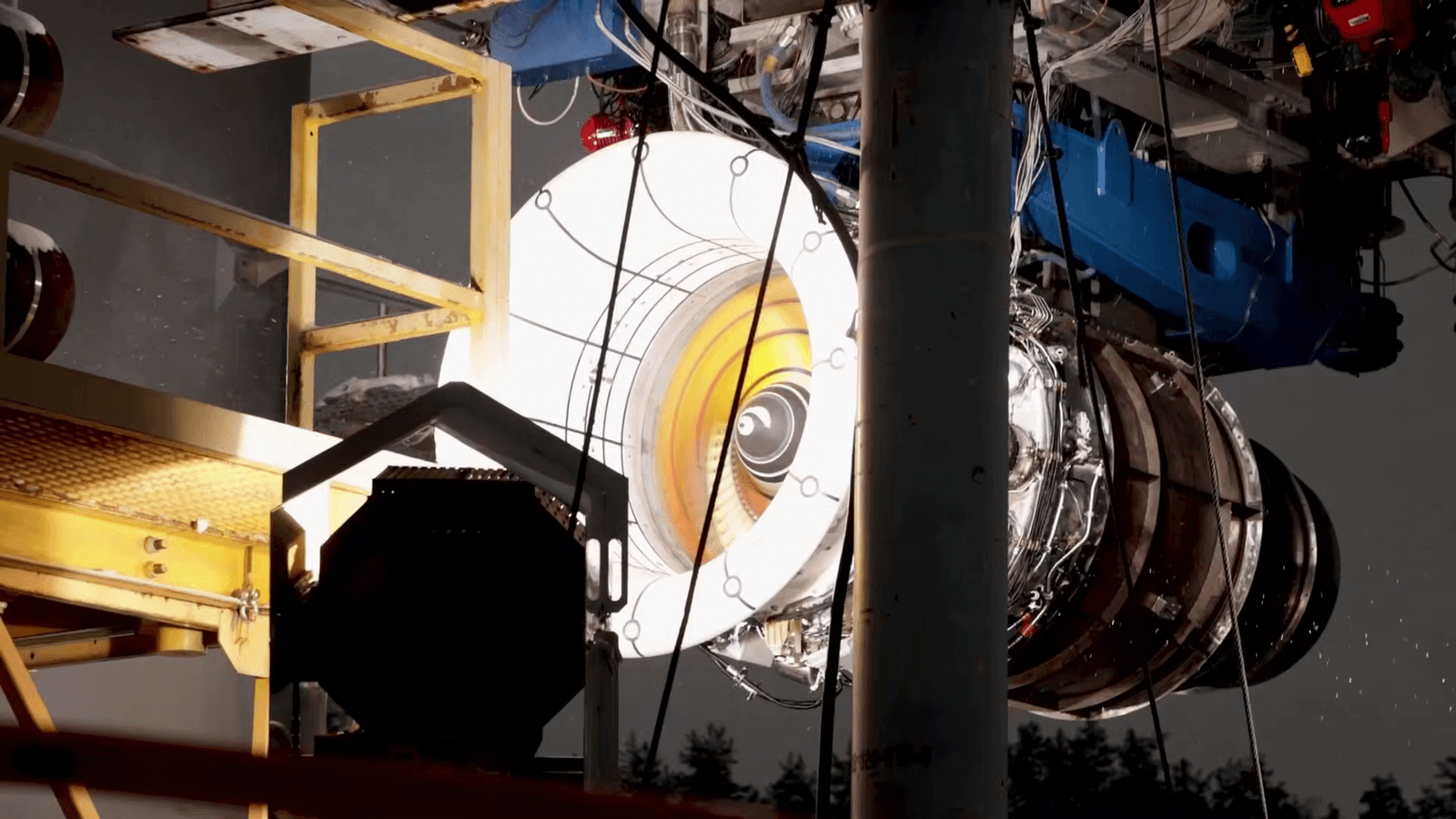
Mitsu Makes builds a zippy FDM printer from wood
Mitsu Makes spent half a year on a wooden FDM printer, and the build is zippy enough to challenge the idea that fast desktop machines need metal frames.
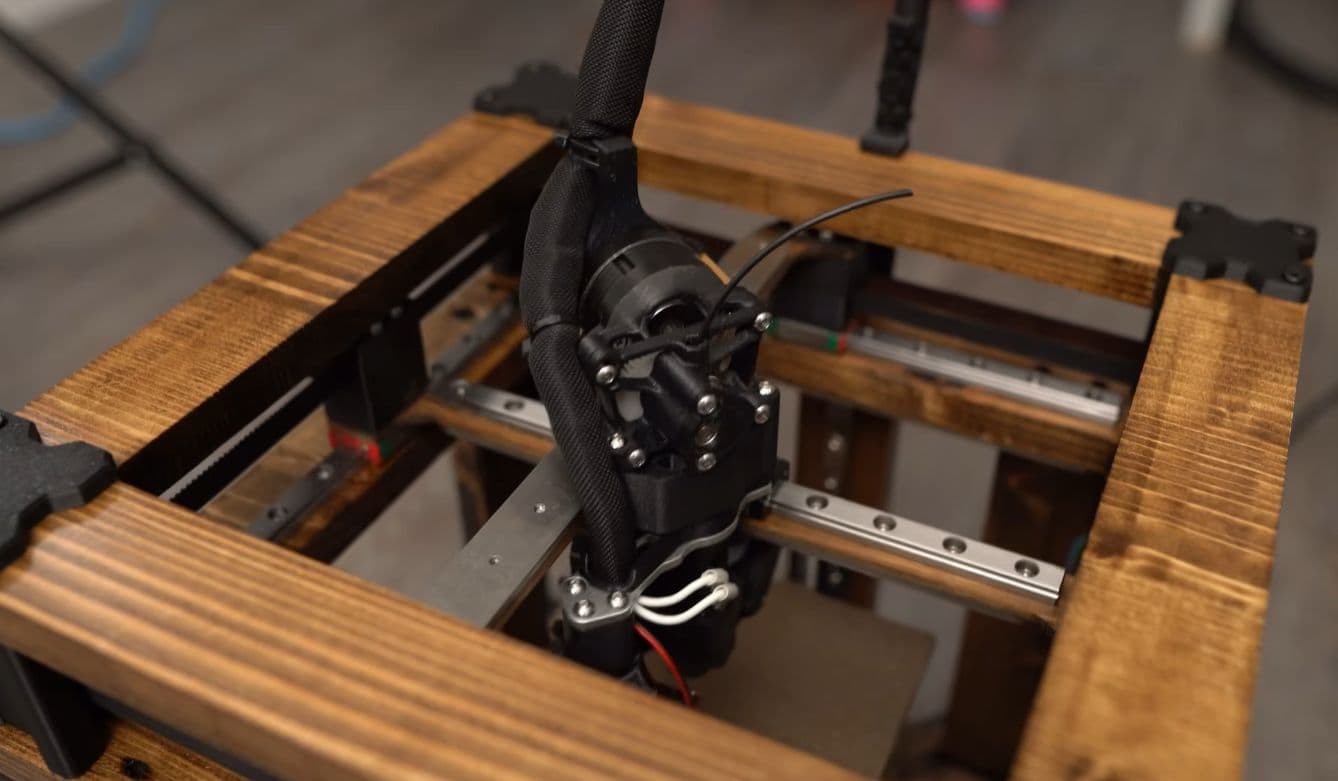
A wooden printer frame usually reads as novelty, not speed. Mitsu Makes turned that assumption on its head with an FDM machine built from wood after roughly half a year of work, a build that is being treated as a real test of whether wood can stay usable when a printer is expected to move quickly and hold alignment.
The timing matters because this was not a one-off impulse project. Mitsu Makes’ channel, which shows about 11.5K subscribers and 42 videos, already had wooden-printer material up before the latest build finished. A video titled “Building a Wooden 3D Printer (in 2025)” went up on July 8, 2025, and a later upload, “Building the ULTIMATE WOODEN 3D PRINTER,” landed about two weeks before the finished machine drew wider attention. That trail points to iteration, not decoration.
What makes the printer interesting to the wider 3D printing community is the engineering tradeoff hiding behind the polished look. Wood changes the whole feel of a desktop FDM machine, replacing the usual aluminum extrusion and sheet-metal aesthetic with something closer to furniture or instrument making. It also forces the same hard questions every fast printer faces: how much rigidity is enough, how much vibration can the frame absorb, and where does the material start to work against motion quality instead of helping it?
That tension is not new. Early RepRap-era hobby machines often used laser-cut wood, and the material keeps resurfacing whenever builders want a lower-cost, more expressive path into machine design. Prusa Research has pushed that idea into premium territory with the Signature Oak CoreXY, a hand-crafted oak-bodied printer limited to 250 numbered units and assembled by hand in Prague. Prusa’s own material says the machine uses structural components made from solid oak wood and notes that wood is susceptible to environmental conditions, which is exactly why a wooden frame still reads as an engineering statement rather than a default choice.
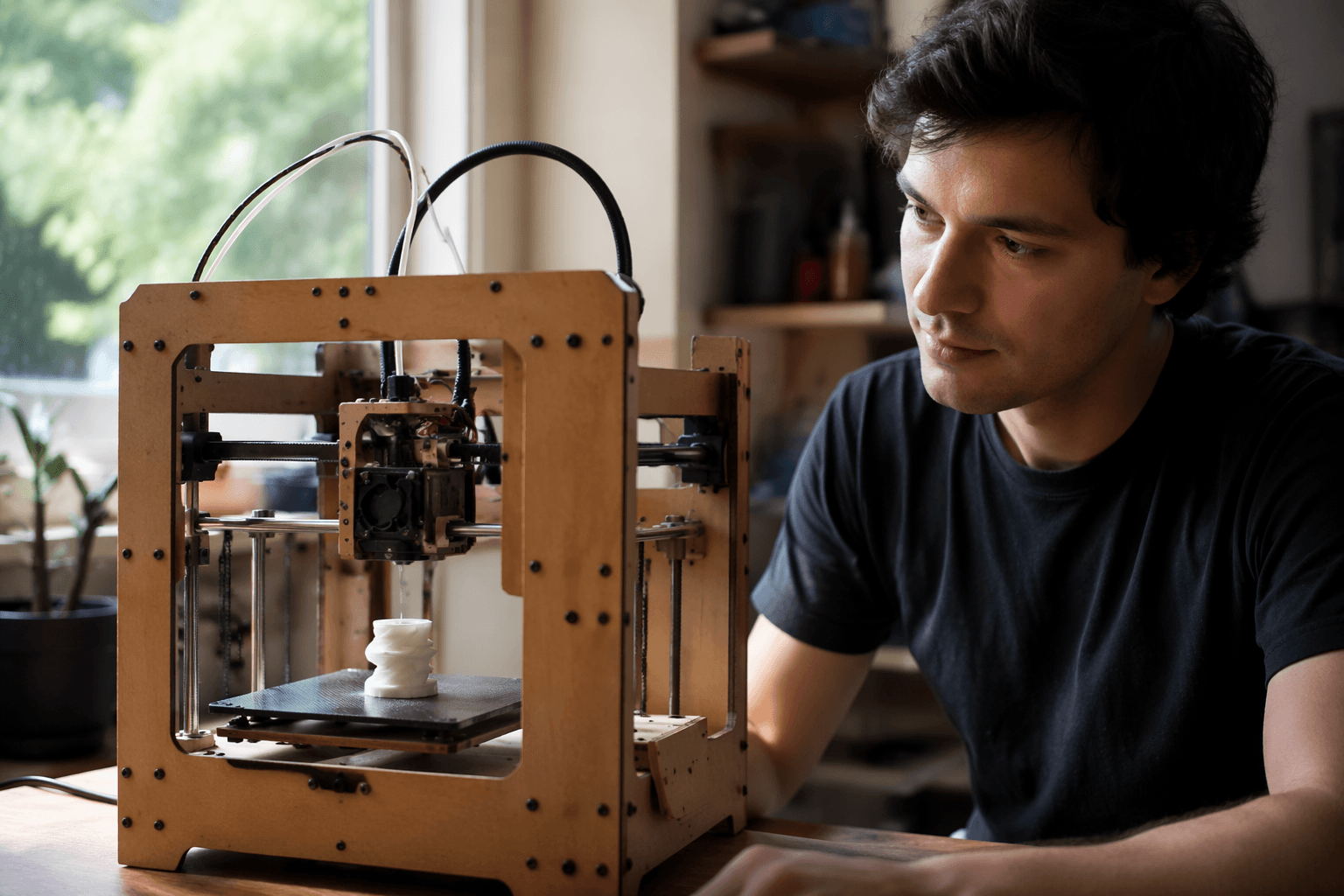
Josef Průša’s company has also added a layer of craftsmanship to the concept, with each Signature Oak printer carrying a QR code that traces the wood back to its forest and harvest date. That same mix of design, provenance, and mechanical ambition is what gives Mitsu Makes’ build its appeal. The printer is not just about looking different. It is about proving that wood can still sit inside a serious, fast-moving FDM platform without collapsing into gimmickry.
That is the real takeaway from Mitsu Makes’ half-year build. Wood may never replace aluminum extrusion as the standard answer for desktop printers, but this project shows it can still be a credible path when the goal is a machine that is quick, usable, and visibly hand-built.
This article was produced by Prism’s automated news system from verified source data, official records, and press releases, then run through automated quality and moderation checks before publishing. The system is built and supervised by the people who set the standards it runs under. Read our full AI policy.
Did this article answer your question?