NASA releases copper alloy powder for 3D-printed rocket parts
NASA’s new copper alloy powder is built for rocket chambers that run hot and hard, but the desktop-metal-printing payoff is still a long way off.

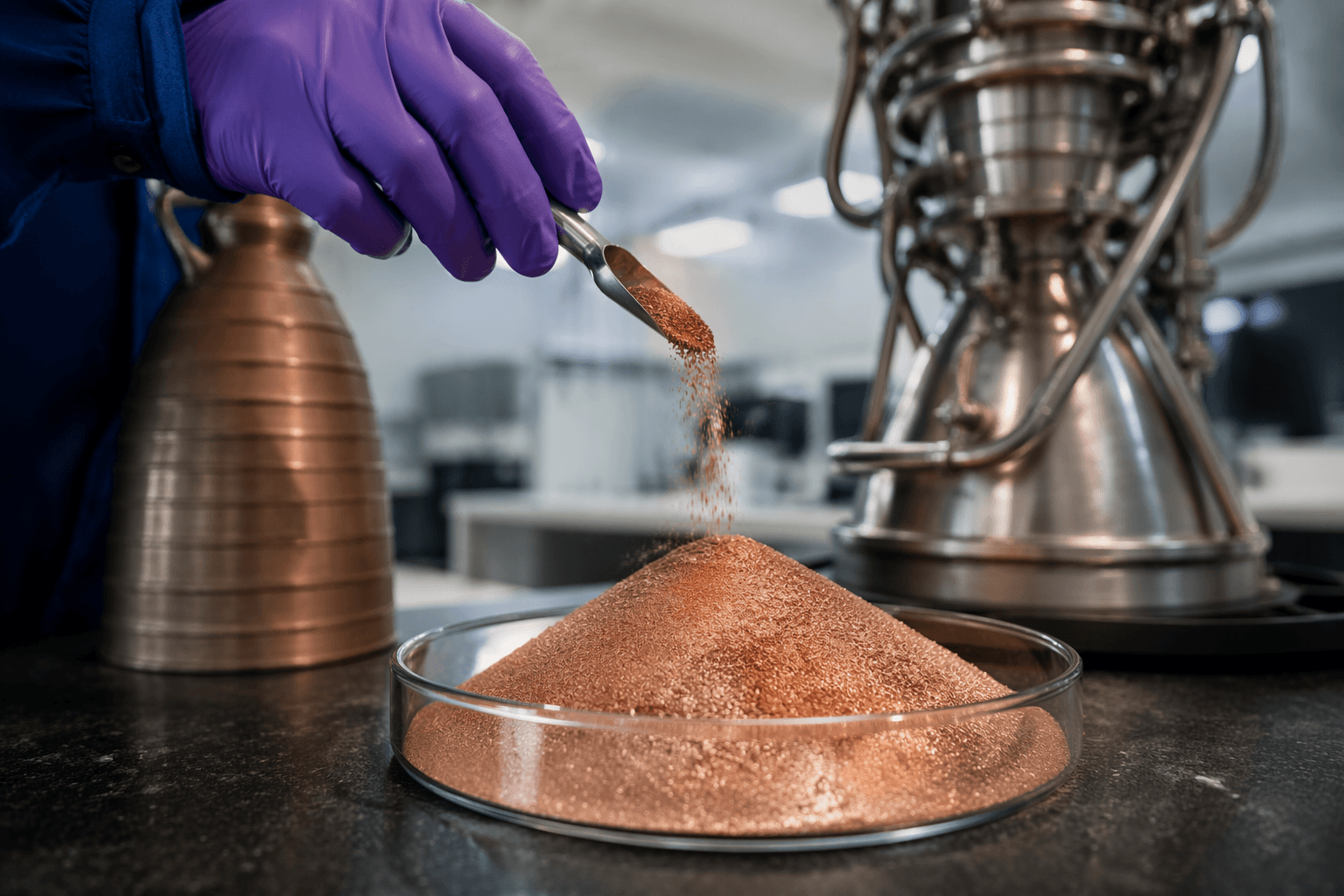
NASA has released a copper alloy powder designed for 3D-printing high-performance rocket parts that have to survive brutal heat, pressure, and repeated firing. The material is aimed at propulsion hardware, where the real problem is not simply printing a shape, but printing a part that keeps its strength when the chamber goes white-hot.
The core of that work runs through NASA’s GRCop-42 family, a copper-chromium-niobium alloy developed for rocket hardware that needs high thermal conductivity, creep resistance, low-cycle fatigue life, and strength at elevated temperatures. NASA has used that chemistry in parts such as combustion chamber liners and fuel injector face plates, the sort of components that sit much closer to the edge of failure than anything in a typical home shop printer.
NASA’s RAMPT, or Rapid Analysis and Manufacturing Propulsion Technology, project has pushed that idea since it was introduced in October 2017. The agency has said blown powder directed energy deposition is faster and more affordable than conventional fabrication methods for some rocket parts, and it has already backed that up with hardware testing. In one demonstration, NASA reported 12 hot-fire tests totaling 330 seconds for 3D-printed liquid oxygen and hydrogen thrust chamber hardware at chamber pressures up to 1,400 psi. NASA also said composite materials in RAMPT delivered up to 40% weight savings over conventional bimetallic combustion chambers, while the broader program logged 500 test-firings totaling more than 16,000 seconds.
The copper alloy story did not start there. In 2020, NASA reported 23 hot-fire tests over 10 test days, totaling 280 seconds, for a copper alloy combustion chamber and a high-strength hydrogen-resistant alloy nozzle. A year later, the LLAMA project was testing a 3D-printed copper alloy chamber made from GRCop-42 with composite nozzles for future lunar landers. By 2023, NASA said its first full-scale rotating detonation rocket engine had produced more than 4,000 pounds of thrust for nearly a minute at an average chamber pressure of 622 psi, using GRCop-42 made with powder bed fusion.
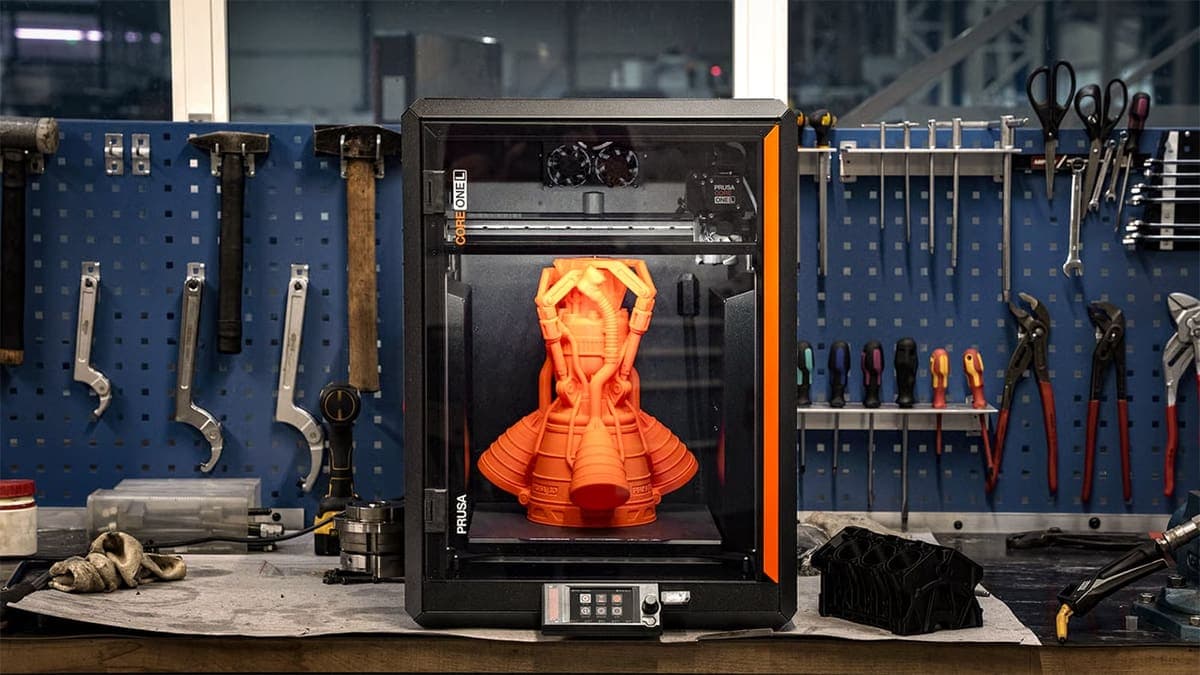
For makers, the headline is less about a new powder on its own and more about the gap between rocket hardware and hobby hardware. NASA’s work is built around directed energy deposition, powder bed fusion, hot-fire validation, and parts that can survive years of cost and time pressure in propulsion development. That is a long way from a benchtop metal machine, but it is also the path by which a material like this could eventually trickle down into more accessible metal printing, stronger hot-end alloys, or future hobby-grade powders. NASA has already shown one part of that transfer pipeline by licensing its 3D-printable superalloy GRX-810 to Elementum 3D under a co-exclusive license.
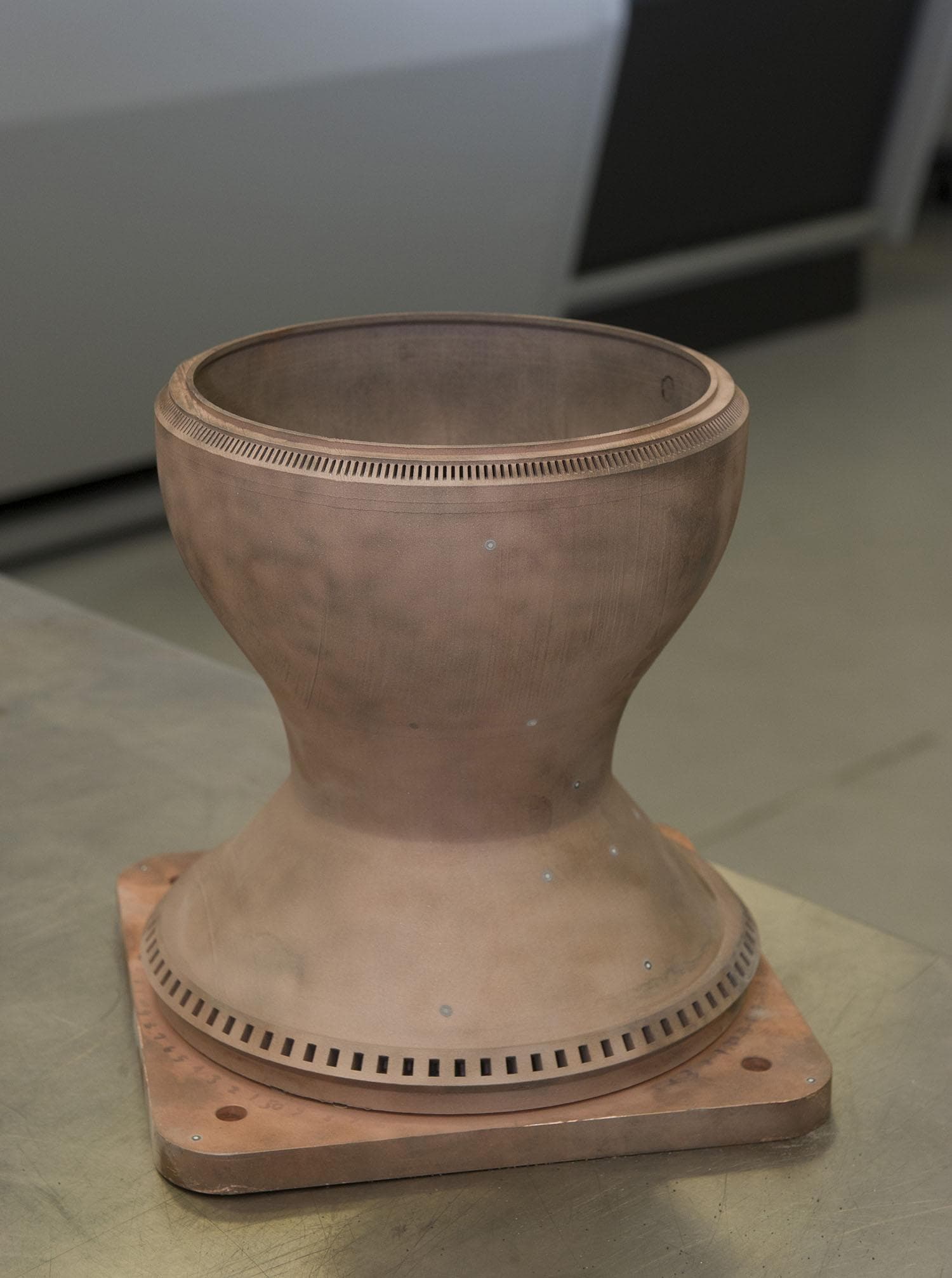
For now, the useful benchmark is still the same one NASA has been chasing since RAMPT began: a rocket part that prints faster, costs less, and survives the test stand. That is the real distance between copper powder built for a chamber at 1,400 psi and anything a desktop machine can use.
This article was produced by Prism’s automated news system from verified source data, official records, and press releases, then run through automated quality and moderation checks before publishing. The system is built and supervised by the people who set the standards it runs under. Read our full AI policy.
Did this article answer your question?