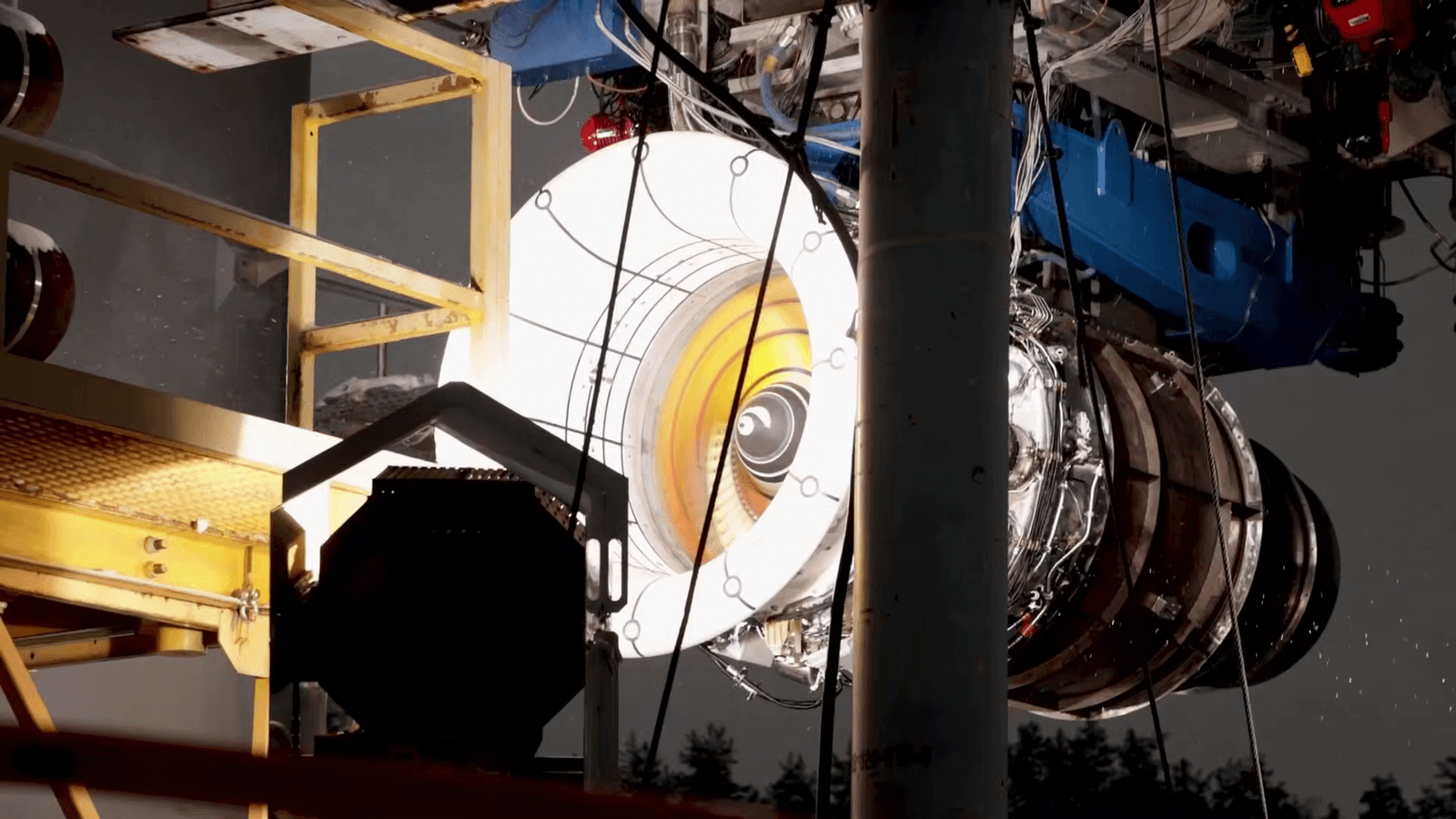
NASA's GRX-810 alloy brings 3D printing to jet turbine heat
GRX-810 is the rare AM alloy that solves heat, stress, and printability at once, turning jet-turbine parts from lab feats into something manufacturers can actually run.
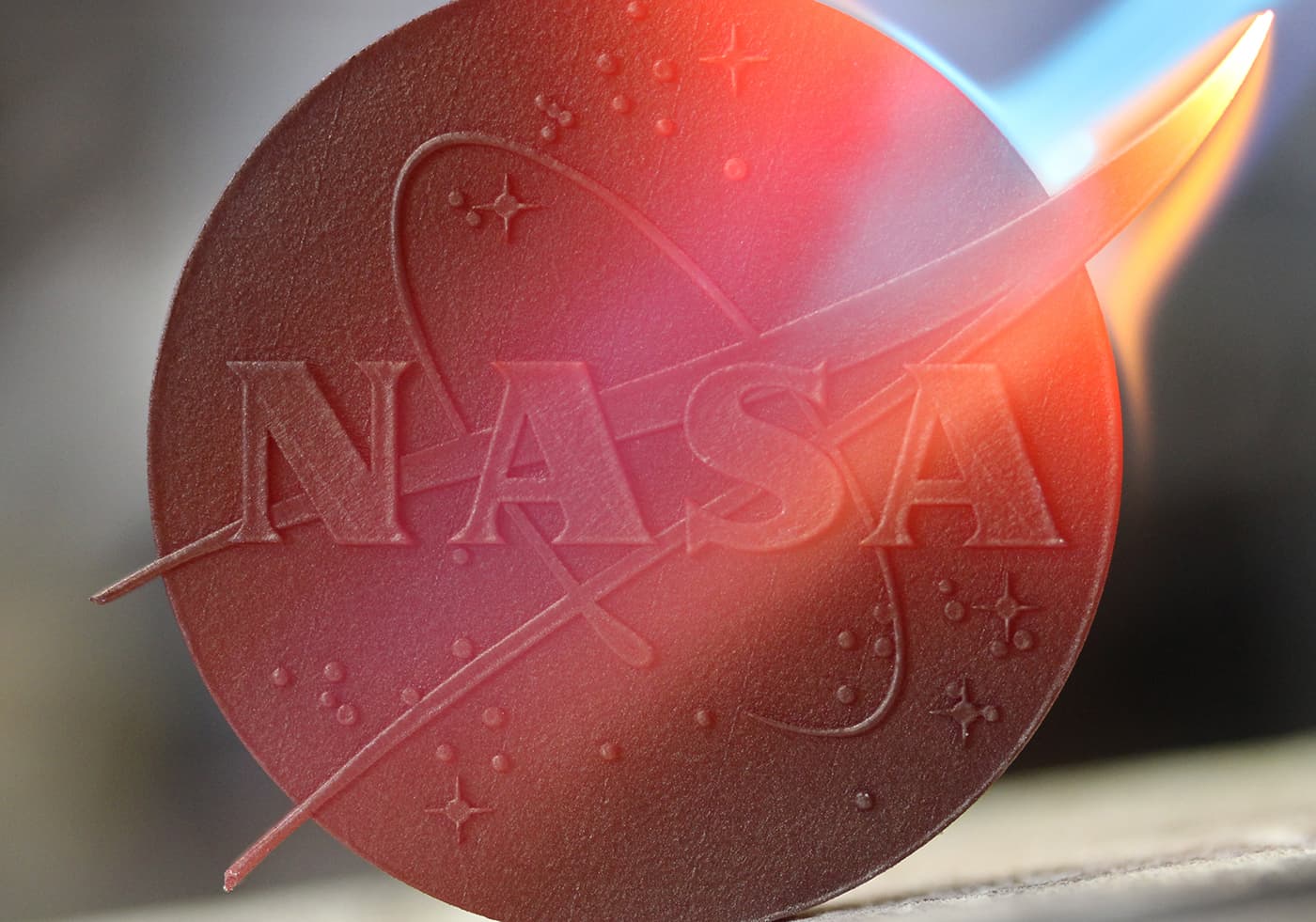
Why GRX-810 is different
Jet turbine metal AM only becomes truly practical when the alloy is built for heat, stress, and printability at the same time. GRX-810 matters because it was not borrowed from a conventional metallurgy catalog and pushed into a printer as an afterthought. It was designed from the start as an additively manufactured superalloy for the brutal environment inside combustors, nozzles, turbines, and other hot-section hardware.
Timothy Smith of NASA Glenn Research Center described the project as a response to a familiar failure mode in metal AM: the best printable high-temperature alloys kept breaking down when tested where they actually had to work. NASA’s original target was an additively manufactured combustor fuel nozzle and dome for supersonic aircraft operating above 1,093 C, or 2,000 F, where conventional materials and processing techniques had already boxed in the design space.
Built around the print process, not against it
The technical breakthrough is that GRX-810 is an oxide-dispersion-strengthened NiCoCr-based alloy that uses additive manufacturing to disperse nanoscale Y2O3 particles through the microstructure without resource-intensive mechanical alloying. That is the kind of detail materials engineers care about because it changes the workflow, not just the headline strength number. NASA says the alloy was developed with computational models to set the composition, then laser 3D printing was used to distribute nanoscale oxides through the alloy.
That process choice is what makes the story bigger than aerospace. In metal AM, a material that needs exotic handling can be just as limiting as a printer that cannot hold temperature or a recoater that jitters. NASA later added resonant acoustic mixing to coat the metal powder particles evenly with the nano-oxide material, a manufacturing change that helped make the powder practical for production. The broader lesson is blunt: better hardware helps, but the real leap often comes when the material itself is engineered around the printer.
The numbers behind the hype
GRX-810 is not just being sold on elegance of design. NASA says it can endure temperatures over 2,000 F and survive more than 1,000 times longer than existing state-of-the-art alloys in creep testing. In later licensing language, NASA described it as lasting up to 2,500 times longer than other nickel-base alloys, with nearly four times better flexing before breaking and twice the oxidation resistance.
Those numbers matter because hot-section parts fail in predictable ways: creep, oxidation, and loss of ductility under sustained load. GRX-810’s published data sheet says it resists oxidation up to 2,400 F, delivers a twofold strength improvement at 2,000 F versus superalloys 718 and 625, and offers more than 1,000 times longer creep life. The same data sheet reports printed relative density above 99.5 percent, with tensile testing at 1,093 C and optional hot-isostatic-pressing data, which is the kind of production-minded evidence that separates a lab curiosity from a material a shop can actually build around.

Tim Smith’s account makes the sequence feel almost obvious in hindsight: NASA wanted new combustor-dome geometries for jet turbines, kept running into printable high-temperature alloys that failed, and chose to develop a new alloy specifically for 3D printing and service at temperature. That is a very different path from hoping a general-purpose superalloy will somehow behave better once it sees a laser.
From lab development to commercial licenses
NASA’s Commercial Invention of the Year recognition for GRX-810, announced on August 14, 2025, marks the point where the alloy stopped looking like a research project and started looking like a platform. NASA said four American companies received co-exclusive licenses to produce and market the material: Carpenter Technology Corporation, Elementum 3D, Linde Advanced Material Technologies, and Powder Alloy Corporation.
The commercialization trail matters because it shows how additive manufacturing materials leave the lab. NASA first announced licensing agreements for GRX-810 on May 9, 2024, saying the alloy would soon be available to aviation and space-industry manufacturers. Elementum 3D followed with a commercial release in November 2024, while Linde said it had already atomized the alloy for the additive-manufacturing market. That kind of move from development to supply chain is the point where a material stops being a demonstration and starts becoming a production option.
NASA’s own framing also ties the material to economics, not just performance. The agency says GRX-810 could improve sustainability in aviation and space exploration by enabling longer-lasting parts and lower operating costs, and it presents commercialization as a return on taxpayer investment. That language may sound bureaucratic, but the underlying idea is familiar to anyone who has fought with a stubborn print profile: if the part lasts longer, costs less to run, and can be made without a special workflow, it has a real future.
What GRX-810 says about the next phase of metal AM
The original application target included liquid rocket engine injectors, combustors, turbines, and hot-section components, and that list explains the stakes. These are not decorative brackets or prototyping aids. They are parts where heat, oxidation, and load can ruin an entire system, which is why a printable alloy with no special print parameters is so important.
GRX-810’s real significance is not that NASA found a stronger metal. It is that the alloy closes the gap between what AM can shape and what aerospace can trust. For metal printing, that is the moment the workflow changes: not a better printer fighting a bad material, but a material designed so the printer can finally do the job it was always promising to do.
This article was produced by Prism’s automated news system from verified source data, official records, and press releases, then run through automated quality and moderation checks before publishing. The system is built and supervised by the people who set the standards it runs under. Read our full AI policy.
Did this article answer your question?