Nike tests 3D printing strategy for limited-run Air Max sneakers
Nike’s Air Works program pairs eight global designers with Zellerfeld to build limited-run 3D-printed Air Max shoes, pushing additive manufacturing into premium drops.
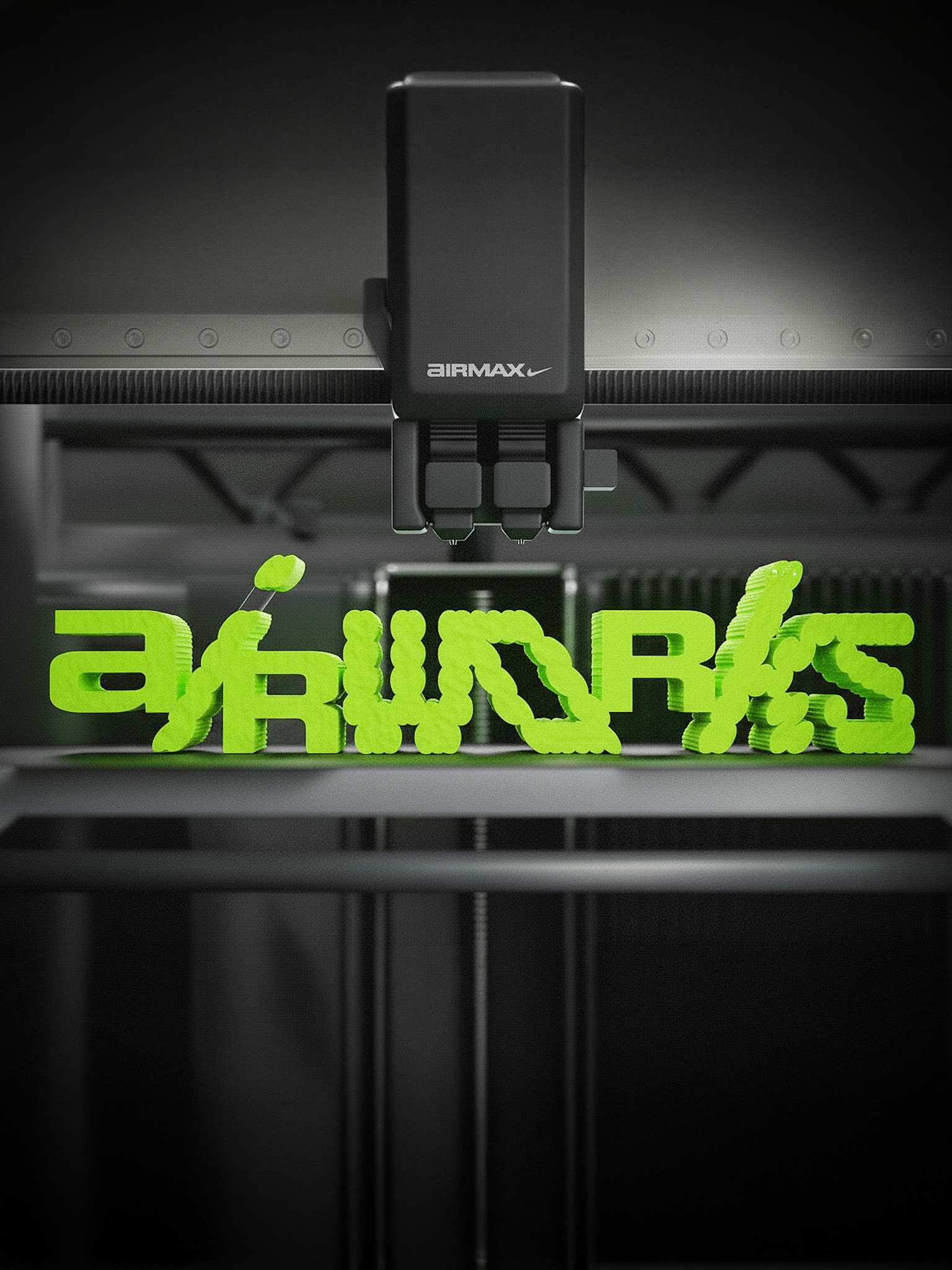
Nike is using 3D printing to turn Air Max into a faster, more flexible product pipeline, not just a one-off shoe drop. Its new Air Works program brought designers from Beijing, London, Los Angeles, Mumbai, New York, Paris, Shanghai and Tokyo to Beaverton, Oregon, for a May 11-14 working session with Nike designers and engineers. The result is a set of limited-run, 3D-printed Air Max styles developed with Zellerfeld, a sign that Nike sees additive manufacturing as a tool for small-batch production, community-specific design and faster iteration.
Each participant is expected to create a limited-run Air Max design that will be celebrated in the designer’s community over the coming year, building toward Air Max Day 2027. Andy Caine, Nike Sportswear’s vice president and creative director, said, “Air Works is about celebrating the cultural impact of Air Max.” That framing matters because it puts 3D printing in the middle of the product strategy, not at the edge of it. Nike is giving outside creatives access to Nike-only tools, talent and capabilities, then using Air Max as the platform for what comes next.
The move also builds on Nike’s earlier Air Max 1000, the company’s first public fully 3D-printed Air Max sneaker. That shoe used Zellerfeld’s single-piece construction and a TPU-based zellerFOAM material, with no glue, stitching or traditional assembly. The black colorway was limited to about 300 pairs and released on August 19, 2025, while the Oat version arrived earlier in the summer. Nike has already shown it can pair 3D-printed production with tight scarcity control and a premium launch model, which is exactly the kind of economics that make limited runs work.
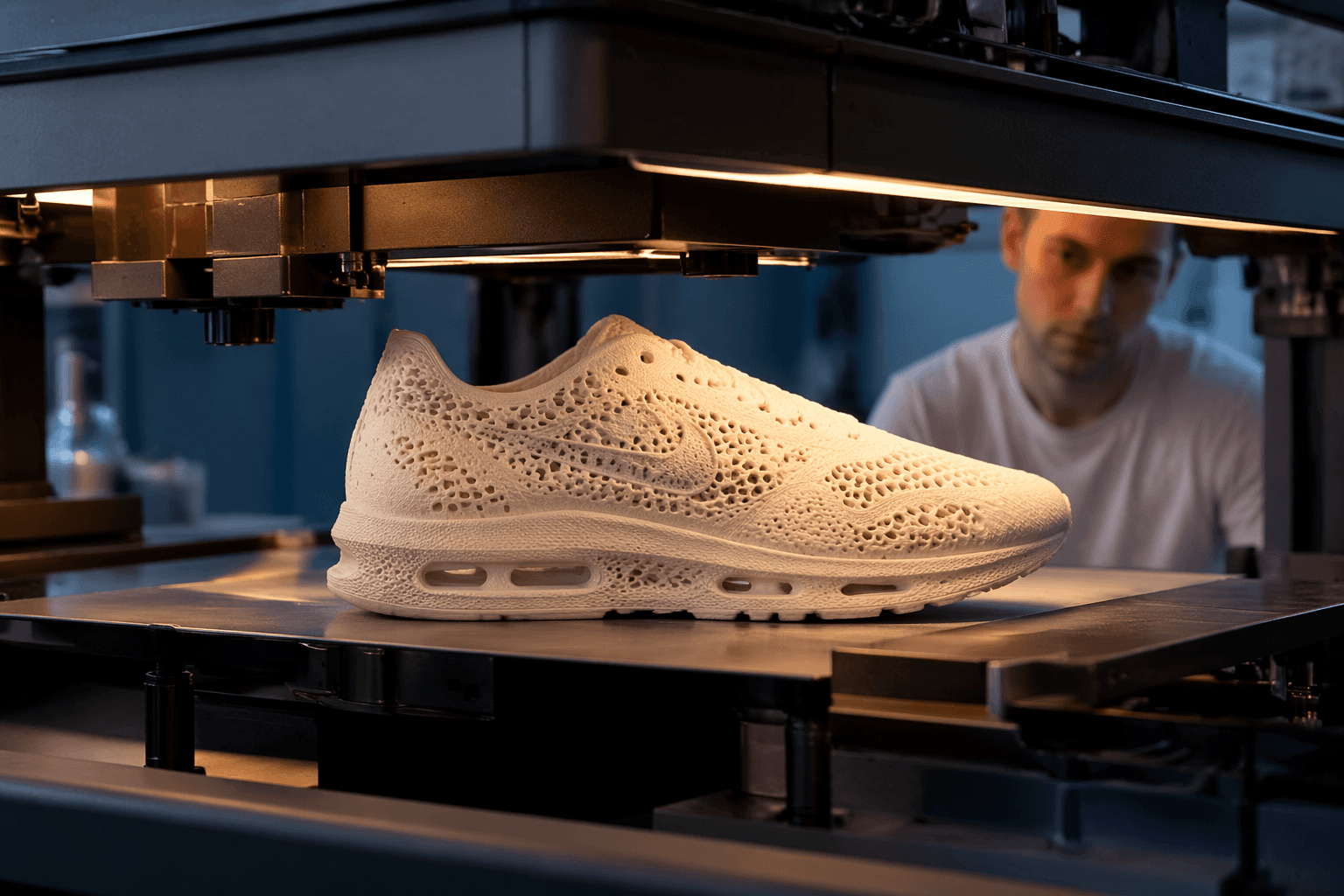
The broader Air Max story reaches back to 1978, when Nike introduced Air technology through the Nike Tailwind. Air Max has long been the brand’s test bed for new silhouettes, materials and visual language, and Air Works extends that habit into additive manufacturing. For the 3D printing community, the signal is clear: complex lattices, personalization, rapid iteration and controlled scarcity are no longer just maker-world talking points. Nike is using them to reduce inventory risk, keep design options open and turn limited-run sneakers into a repeatable production strategy.
This article was produced by Prism’s automated news system from verified source data, official records, and press releases, then run through automated quality and moderation checks before publishing. The system is built and supervised by the people who set the standards it runs under. Read our full AI policy.
Did this article answer your question?