NIST laser-stirs molten metal to create custom alloys mid-print
NIST used elliptical laser scans to stir molten metal during printing, opening the door to custom alloys and sharper real-time X-ray control mid-build.
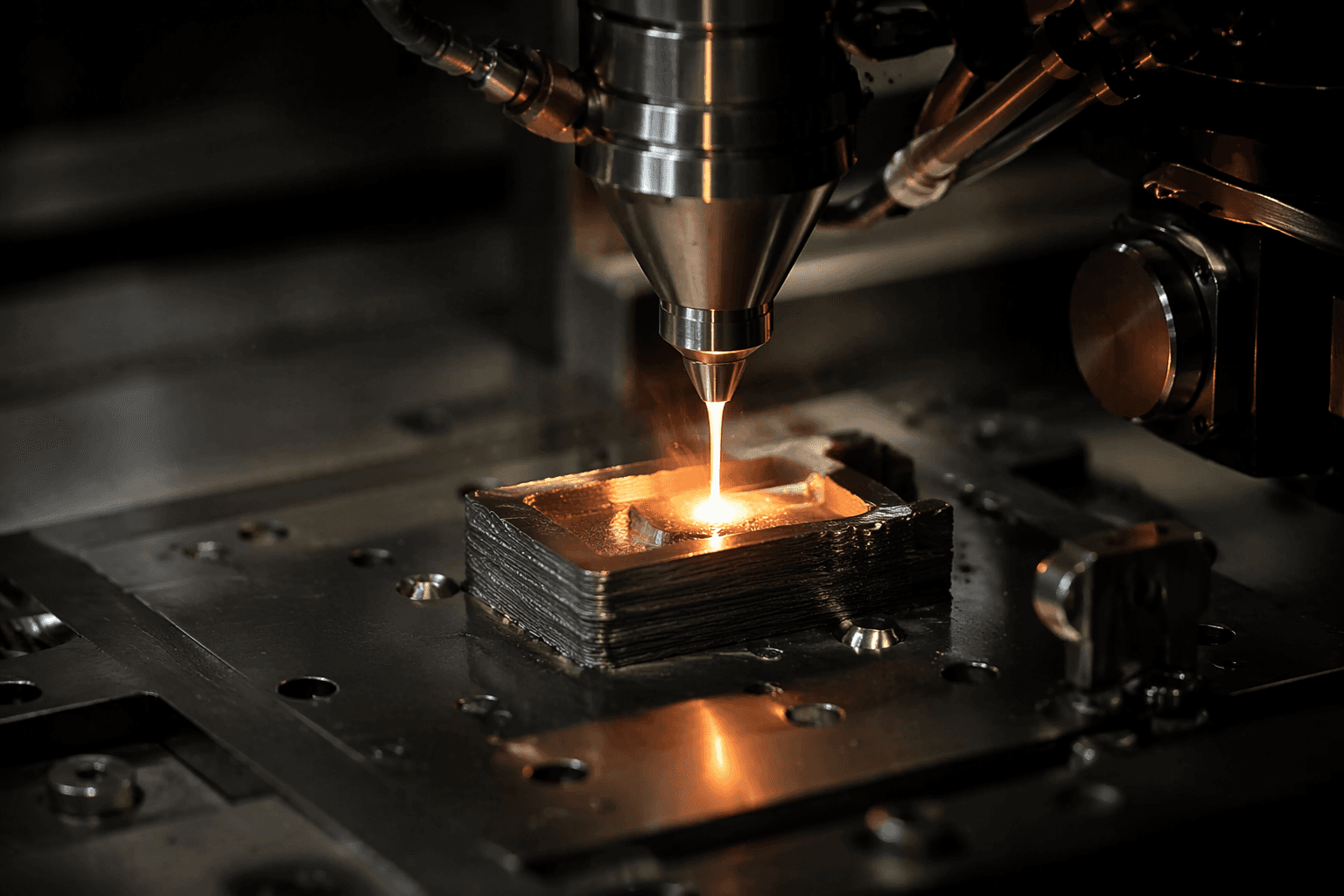
NIST has found a way to turn the laser in metal 3D printing into more than a heat source. By tracing elliptical scan paths, the beam can actively whisk molten metal together during laser powder bed fusion, so a printer is not locked into one alloy recipe before the job starts.
That matters because the method points toward custom alloys made mid-print, with elements mixing more uniformly at the atomic level as the part is built. NIST says the approach could help produce high-entropy alloys, a class of materials that usually rely on near-equiatomic mixes, such as about 20 percent each of five different metals. Those alloys have been under development for more than 20 years, and they are attractive for high-temperature jobs like jet engines and nuclear reactors.
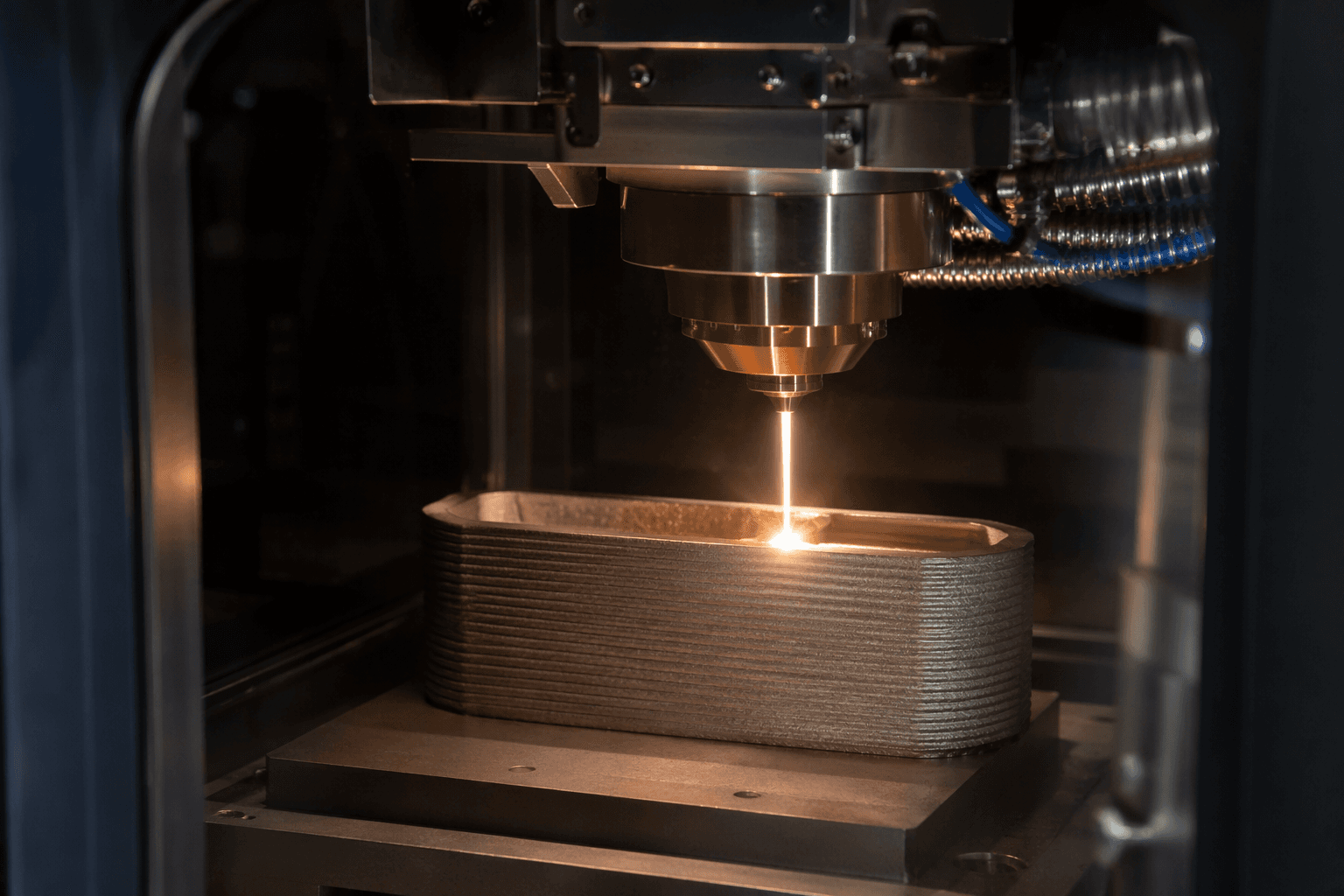
The same NIST-led work also sharpened the agency’s real-time X-ray methods for watching metal change as it melts and solidifies. Those measurements used X-rays from the Advanced Photon Source at Argonne National Laboratory, which NIST describes as the brightest synchrotron X-ray source in the world. Fan Zhang, a NIST physicist who specializes in synchrotron-based scattering, diffraction and imaging, co-led the project and heads NIST’s Structural Metrology of Advanced Manufacturing Processes effort.
The advance reaches beyond a single alloy family. NIST says the laser-stirring strategy could eventually help with more conventional metals too, not just high-entropy alloys. That is important in a field where printability still narrows the menu: in a related NIST publication, the agency says only a few existing alloys among more than 5,500 in use today meet additive manufacturing printability criteria.
NIST framed the work as part of its wider additive manufacturing push, especially powder bed fusion, where a high-power laser or electron beam melts layers of powder hundreds or thousands of times to build a part layer by layer. The timing also fits a larger measurement-science effort: an April 2026 NIST workshop brought together industry, academia, government and national laboratories to map the gaps in in-situ metrology for metal alloy additive manufacturing. Taken together, the laser and the X-rays point to a future where the printer does not just place metal, but tunes it as it goes.
This article was produced by Prism’s automated news system from verified source data, official records, and press releases, then run through automated quality and moderation checks before publishing. The system is built and supervised by the people who set the standards it runs under. Read our full AI policy.
Did this article answer your question?