Nottingham researchers use 3D printing to study shape-driven tissue healing
Nottingham researchers are 3D-printing micro-scale shapes to test how geometry steers cell healing, with bone and skin repair in view.
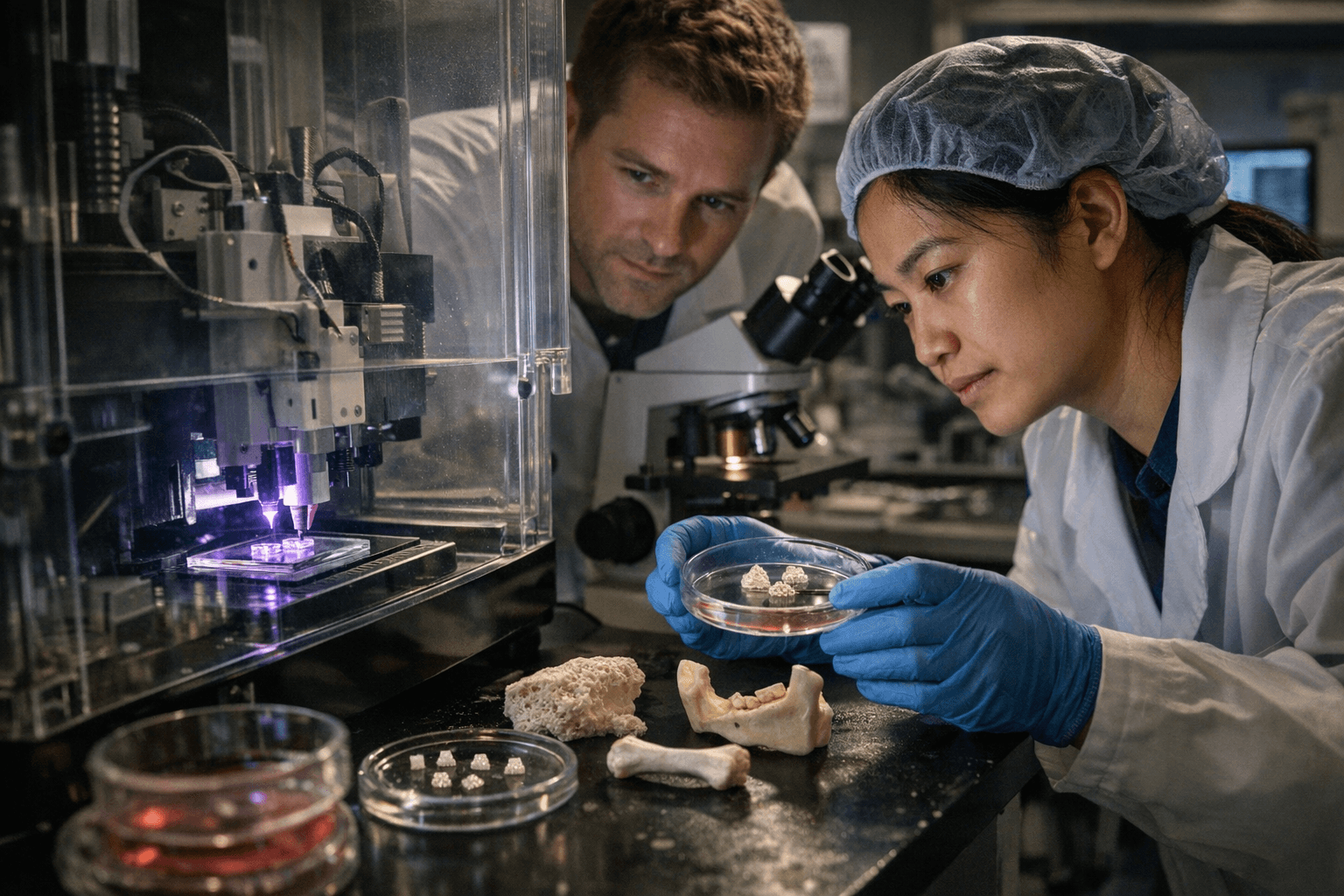
A cell can read a printed shape like a set of instructions, and Nottingham researchers are now using ultra-high-resolution 3D printing to find out exactly how those instructions change healing. The project focuses on cells involved in bone repair and skin repair, tracking how they move, change shape, and switch on different genes and metabolic pathways.
Dr Robert Owen, a Nottingham Research Fellow in the School of Pharmacy, is leading the work at the University of Nottingham. His earlier fellowship, called Harnessing Geometry, was built around the same idea: that the shape of a material’s environment can be used to control cell behaviour in clinically translatable medical devices, starting with bone repair. The new project pushes that concept deeper into tissue engineering, using two-photon polymerization to build structures at the micro- and nanoscale where geometry is no longer just a design choice, but the experiment itself.
The long-term idea carries a memorable name, SHAPE as Medicine, short for Spatial Harnessing of Architecture to Program Expression. In practical terms, that means biomaterials could guide healing through structural cues instead of relying as heavily on added drugs or growth factors. For 3D printing readers, the headline lesson is simple: layer geometry, surface patterning, and form factor are not cosmetic details. In tissue work, they can change real biological behavior.
The project received backing through the Academy of Medical Sciences Springboard programme. The academy awarded £6.7 million to 55 early career researchers at 38 institutions across the United Kingdom, supporting curiosity-driven, discovery-stage research. Nottingham says the funding could help create safer, more accessible, and more affordable materials for repairing tissues such as bone and skin.
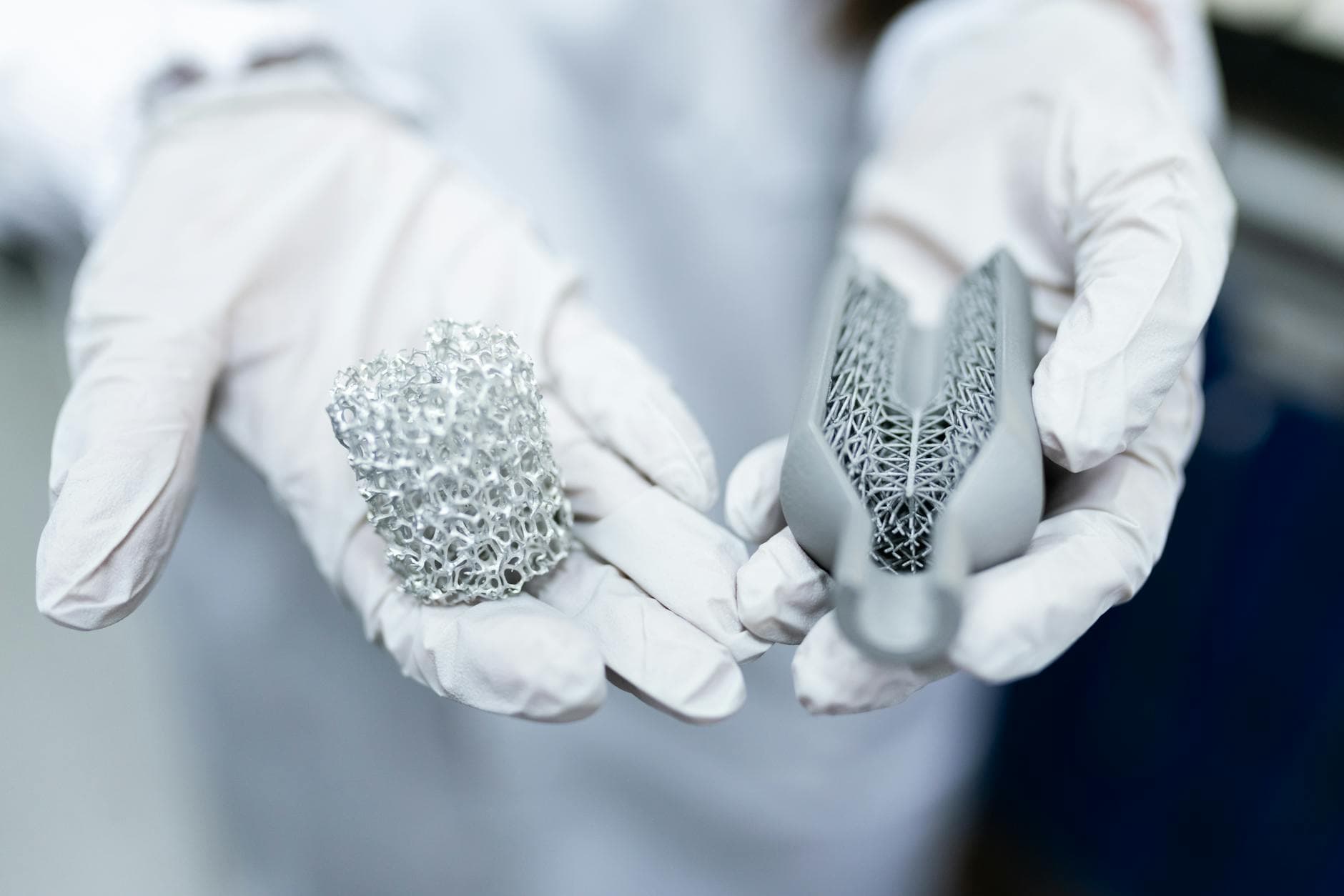
The university’s biomaterials research group says its current work already includes regenerative-device applications for osteochondral and bone tissue repair. Its Division of Regenerative Medicine and Cellular Therapies says its laboratories are equipped for 3D bioprinting, a field aimed at producing functional human tissues and organs for tissue engineering and regenerative medicine. The Nottingham study fits that broader push, and it also builds on a local track record that has included custom medical devices with improved durability and lower infection risk, along with 3D-printed blood-based regenerative materials designed to mimic natural healing and help repair bone.
For makers, the significance is hard to miss: in bioprinting, shape is not just how a part looks, it is part of what a part does. Nottingham’s latest work treats geometry as a healing tool, and that could reshape how the community thinks about every scaffold, surface, and printed edge.
Know something we missed? Have a correction or additional information?
Submit a Tip