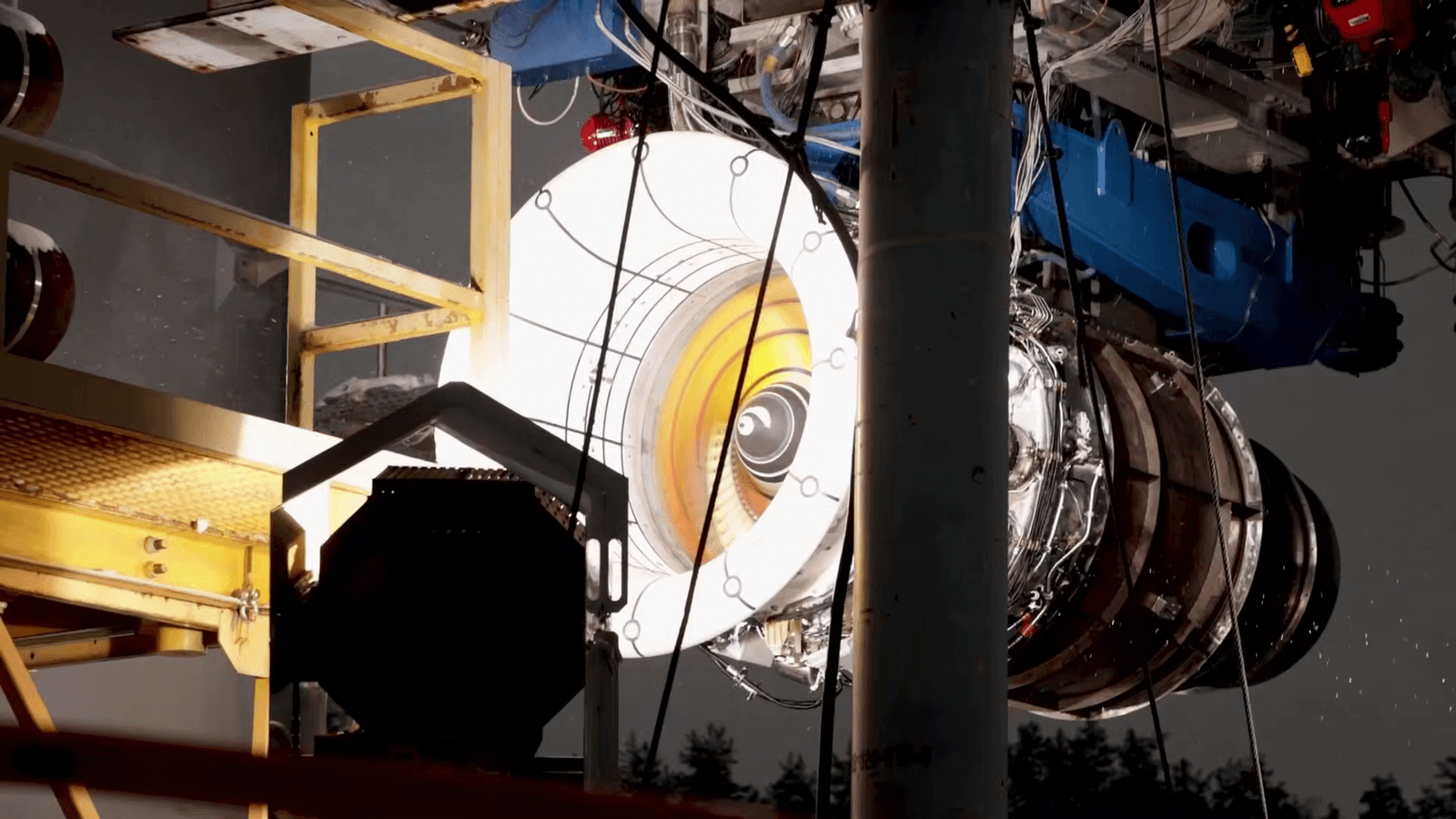
Oak Ridge uses 3D printing to streamline PM-HIP canisters
Oak Ridge printed a 2,000-pound canister for PM-HIP, cutting out forming, machining, and welding. The move shows how 3D printing can unlock the workflow behind the part.
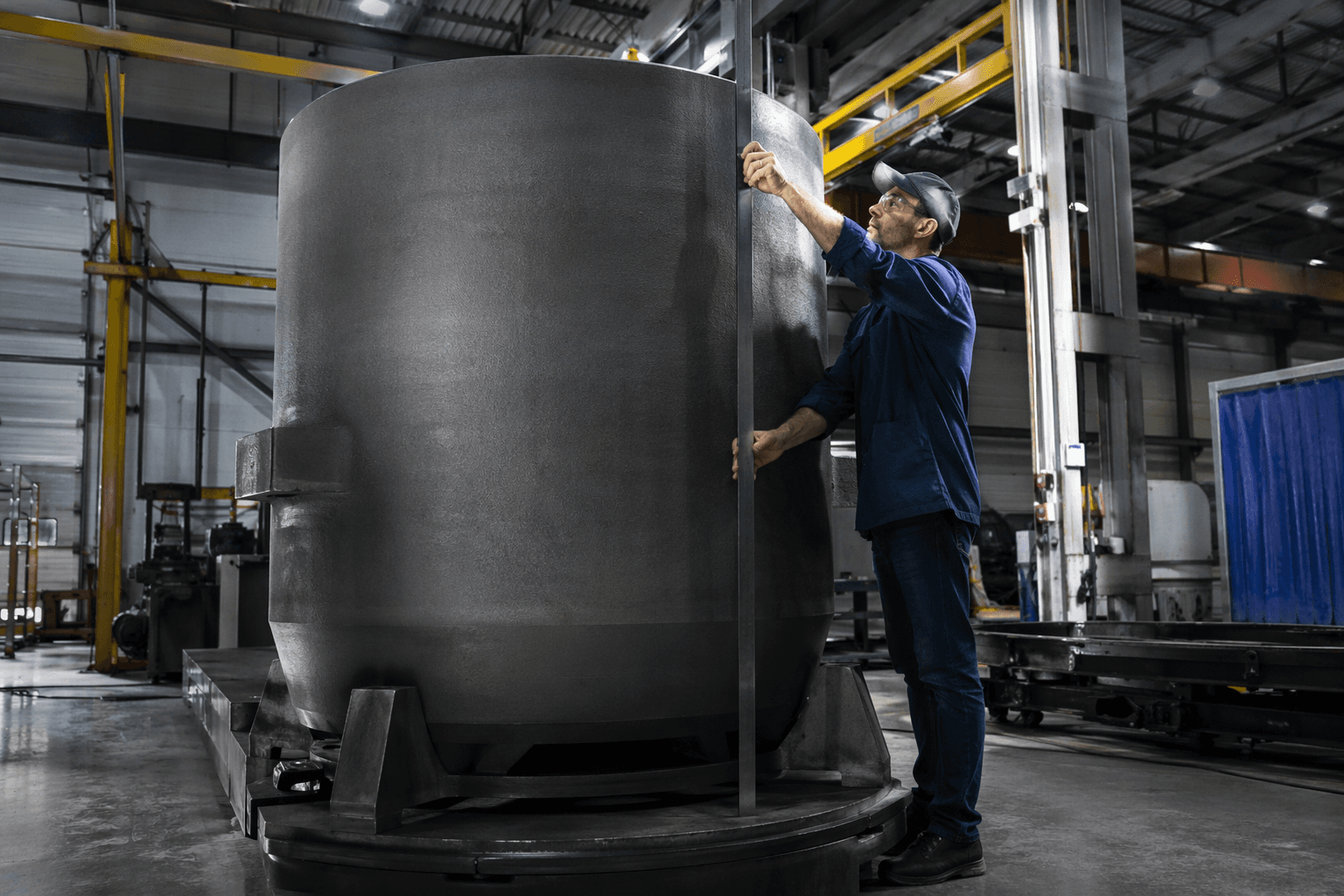
Oak Ridge National Laboratory used 3D printing to make a 2,000-pound canister for powder metallurgical hot isostatic pressing, then filled it with metal powder, vacuum-sealed it, and pushed it through heat and pressure to form a dense metal component. The lab says the canister was built with 410NiMo stainless-steel alloy at its Manufacturing Demonstration Facility, turning a normally cumbersome production step into an additive workflow.
That matters because PM-HIP is all about making fully dense parts for demanding jobs, including turbine components, pressure vessels, and other large structural hardware. Until now, canister production for that process typically required multiple forming, machining, and welding steps. ORNL says the new approach replaced those steps with additive manufacturing, using several 3D-printing methods, including laser-based and wire-based processes, to fabricate the canister instead.

The practical takeaway is bigger than the canister itself. In a workflow like this, the printed item is not the final product, but the enabling hardware that lets the rest of the process work. That is the same logic hobbyists see when a printer turns out a custom jig, mold, fixture, or sacrificial tool that saves hours down the line. ORNL says this was the first time additive manufacturing had been used to fabricate HIP canisters this way, and the lab sees the approach opening more possibilities in hydropower and next-generation nuclear reactors.
The project also fits into ORNL’s wider push to make PM-HIP more viable for very large metal parts. The lab has said it is working on components weighing at least 10,000 pounds and has been exploring ways to make PM-HIP molds faster and more accurately with wire-arc additive manufacturing and hybrid additive-subtractive methods. In October 2024, that work was framed as a path toward a more affordable process with stronger potential for U.S. manufacturing.
Interest has been building around that effort. ORNL said more than 200 stakeholders gathered at a PM-HIP workshop in November 2024, including powder manufacturers, researchers, modelers, capsule fabricators, HIP operators, and end-users. The lab’s earlier public report from December 21, 2017 also documented additively manufactured powder metallurgy cans for valves used in energy production, showing this is part of a longer line of work rather than a one-off experiment.
For anyone who thinks of 3D printing mainly as a way to make the final part, ORNL’s canister is the reminder that the real payoff often comes one layer earlier.
This article was produced by Prism’s automated news system from verified source data, official records, and press releases, then run through automated quality and moderation checks before publishing. The system is built and supervised by the people who set the standards it runs under. Read our full AI policy.
Did this article answer your question?