ORNL 3D printing method cuts foldable composite production costs 90%
A mold-free ORNL print process turned flat composite sheets into foldable structures, cutting fabrication time 95% and cost 90%.
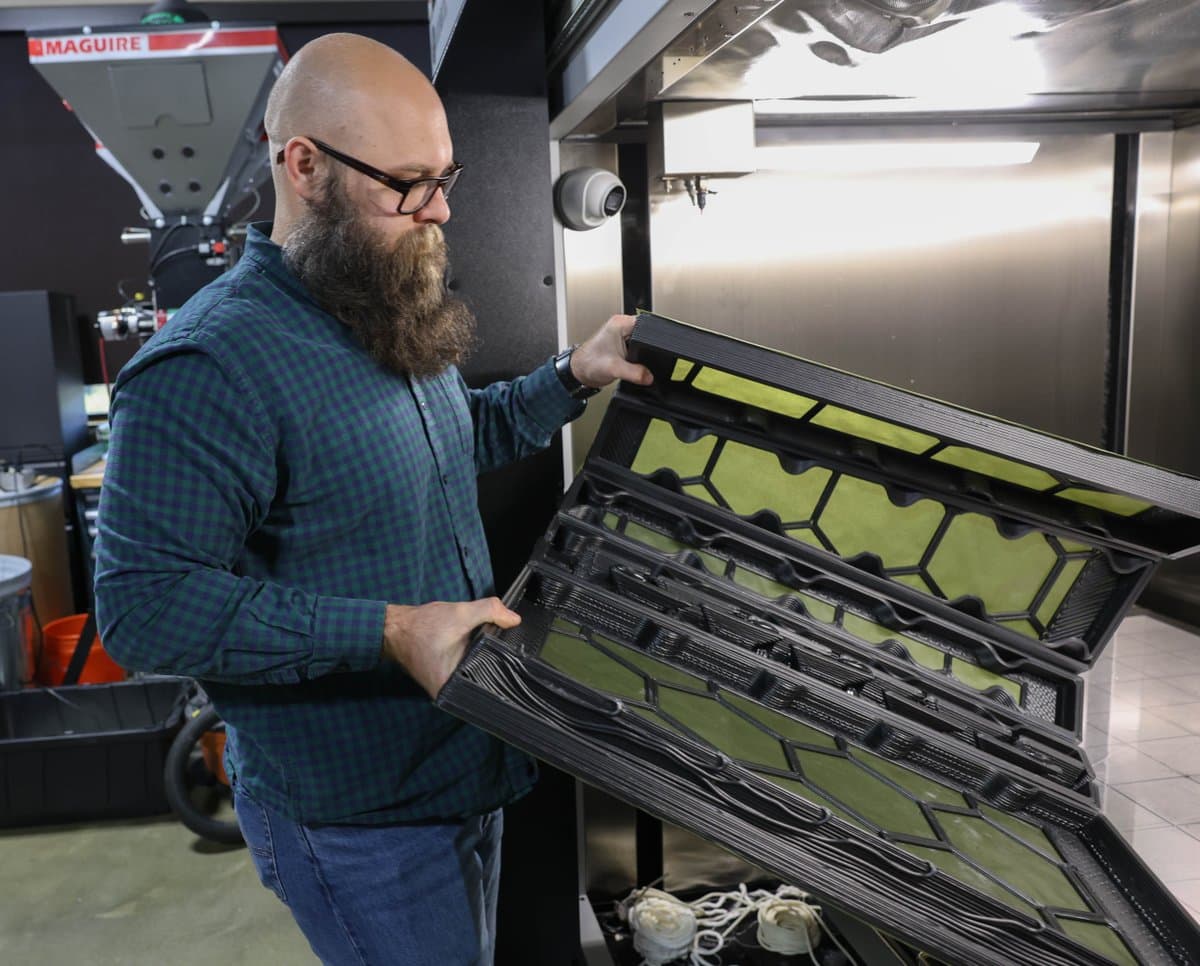
Oak Ridge National Laboratory researchers have unveiled a 3D printing process that turns flexible fabric into foldable composite structures without molds, cutting fabrication time by 95% and cost by 90%. The method takes a flat sheet and builds it into something that can later pop into shape, a workflow shift that could matter far beyond the lab for deployable parts, lighter structures and lower-tooling production.
The process uses a hybrid additive-manufacturing approach that deposits an integration or bonding layer and composite material directly onto a flexible base such as nylon fabric, glass fiber or resin-infused composite fibers. ORNL says a bonding layer such as thermoplastic polyurethane helps the materials adhere, while reinforcing layers can include thermoplastic carbon-fiber ABS or thermoset formulations such as styrene-based or epoxy-based resins. The layers bond at the molecular level, creating a strong connection between the grid and outer skin and allowing the structure to move from flat to foldable without the usual mold-making step.
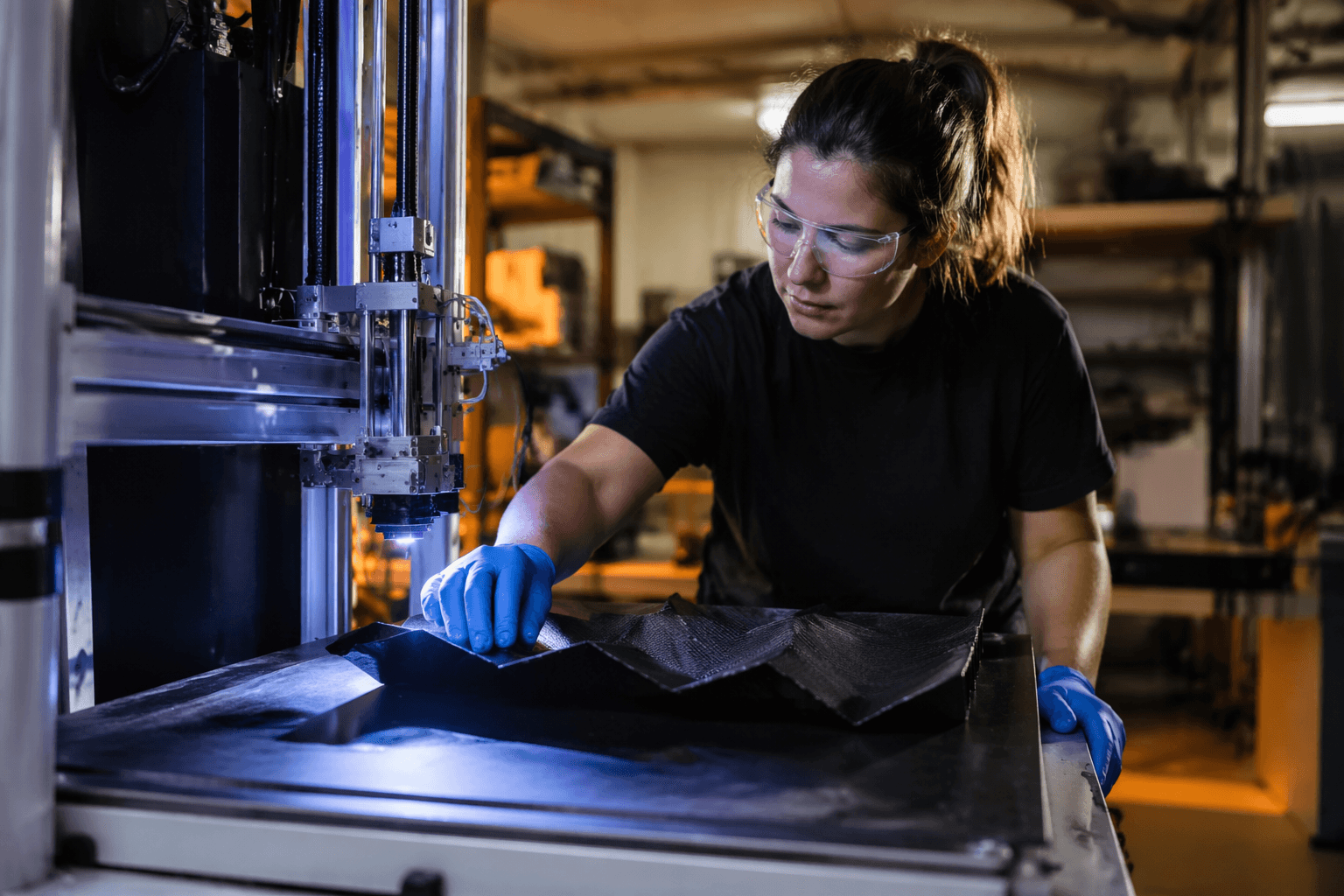
Steven Guzorek, the lead researcher, said the approach improves efficiency and scalability and creates forms that traditional additive methods cannot reach. ORNL says the technique is inspired by origami and kirigami principles, but the practical appeal is not aesthetic. It collapses multiple fabrication steps into one workflow, reduces production costs and expands design flexibility for shapes that need to be shipped flat and deployed later. ORNL says the intended uses include aerospace, marine manufacturing, architecture, rapid deployable structures, automotive and industrial fabrication.

The work comes out of ORNL’s Manufacturing Demonstration Facility and Composites Innovation Group, part of a broader effort at the U.S. Department of Energy lab to push composite printing toward industry use. ORNL has said its composites program aims to improve the energy efficiency of U.S. manufacturing, and it has also described a cradle-to-cradle approach in which it can formulate, create, print and recycle composite materials. In a 2023 techno-economic analysis, ORNL found that 3D-printed molds for precast concrete were economically beneficial compared with conventional wood molds, underscoring how much cost can still hide inside tooling.
That same logic explains why this new method stands out. ORNL has been advancing 3D-printed forms for nuclear construction, including work for Kairos Power’s Hermes project, and the flat-to-form approach points in the same direction: less tooling, faster turnaround and a path to complex composite parts that start life as a sheet and end as a structure.
This article was produced by Prism’s automated news system from verified source data, official records, and press releases, then run through automated quality and moderation checks before publishing. The system is built and supervised by the people who set the standards it runs under. Read our full AI policy.
Did this article answer your question?